Outdoor Toys for 8-Year-Olds: A Comprehensive Guide to Active Play, Growth, and Endless Fun
Introduction
At the age of eight, children stand at a remarkable crossroads of development. They have outgrown the simple push-and-pull toys of toddlerhood, yet they are not quite ready for the intense competitive sports of adolescence. This is the golden age of imagination, physical coordination, and social bonding. Outdoor toys for 8-year-olds are not just about keeping them busy—they are tools that nurture creativity, build confidence, and encourage healthy physical activity in a world increasingly dominated by screens. From high-flying frisbees to intricate obstacle course kits, the right outdoor toy can transform a backyard, a park, or a playground into a vibrant arena of learning and laughter. This article explores the best types of outdoor toys for this age group, highlighting their developmental benefits, offering practical selection tips, and emphasizing safety so that every moment of play is both joyful and secure.
The Benefits of Outdoor Play for 8-Year-Olds
Eight-year-olds are in a critical phase of physical and cognitive growth. Outdoor play provides a natural environment for them to refine gross motor skills, such as running, jumping, throwing, and balancing. Toys that require these movements—like scooters, jump ropes, or ball games—help strengthen muscles, improve cardiovascular health, and enhance coordination. Beyond the physical, outdoor toys also stimulate problem-solving abilities. For instance, a simple game of tag with a twist (e.g., using a soft foam ball to “freeze” players) forces children to think strategically, anticipate movements, and collaborate with peers. Socially, outdoor play offers a stage for negotiating rules, sharing equipment, and resolving conflicts, all of which build emotional intelligence. Moreover, exposure to fresh air and sunlight boosts vitamin D levels and improves mood, reducing symptoms of anxiety or restlessness. In a time when digital entertainment often isolates children, outdoor toys serve as a bridge to real-world interactions, helping 8-year-olds develop resilience, patience, and a sense of accomplishment as they master new skills.
Top Categories of Outdoor Toys for 8-Year-Olds
Selecting the right outdoor toy depends on your child’s interests and temperament. The following categories cover the spectrum of play styles, ensuring that every eight-year-old can find something that sparks enthusiasm.
Sports and Athletic Toys
This category is ideal for children who love movement, competition, and teamwork. Traditional sports equipment like soccer balls, basketball hoops (adjustable height is a plus), and tennis rackets are perennial favorites. For a more novel experience, consider a pickleball set—a hybrid of tennis, badminton, and ping-pong that is easy to learn and fast-paced. A football throwing target with a Velcro catching net can improve hand-eye coordination while offering solo or group play. Jump ropes with counter displays add a layer of goal-setting, encouraging children to beat their personal records. For those who crave speed, a quality kick scooter (preferably with lean-to-steer mechanism) or a bicycle with training wheels removed (if ready) provides hours of exhilarating rides. These toys not only promote physical fitness but also teach persistence—every missed catch or fallen jump rope is an opportunity to try again.
Adventure and Exploration Toys
Eight-year-olds have an insatiable curiosity about the world around them. Adventure toys tap into that wanderlust. A basic but robust compass, a junior binocular set, and a waterproof nature journal can turn a simple walk into a treasure hunt. Add a magnifying glass and a bug-catching kit with a ventilated container, and your child becomes a backyard biologist. For more structured exploration, consider a scavenger hunt card game that lists items to find (e.g., a feather, a smooth rock, a three-leaf clover)—these can be played in any outdoor space. A beginner’s metal detector can also be surprisingly engaging, teaching patience and attention as children search for buried coins or bottle caps. Climbing ropes and tree climbing kits (with proper safety harnesses designed for children) allow for vertical adventures, building upper body strength and spatial awareness. These toys not only satisfy a child’s innate desire to discover but also foster a lifelong appreciation for nature and science.
Creative and Imaginative Toys
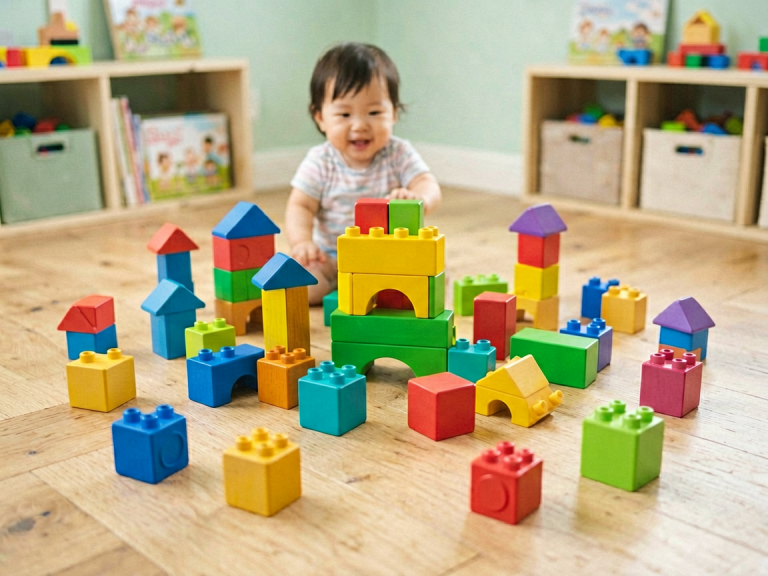
Not all outdoor play needs to be physically intense. For children who love to build, design, or pretend, creative outdoor toys offer endless possibilities. Giant building blocks—oversized foam or plastic bricks—allow kids to construct forts, castles, or even simple machines. A large roll of sidewalk chalk turns a driveway into an ever-changing canvas for hopscotch, murals, or math games. Water play toys like a splash pad mat or a DIY marble run using outdoor water tubes combine creativity with science. Another favorite is a kite-building kit where children assemble their own kite from bamboo sticks, fabric, and string—watching it soar is a lesson in wind dynamics and patience. For role-play, a simple camping set (a pop-up tent, a play campfire with flame-effect LED lights, and a set of tools) can transform a backyard into a wilderness campsite. These toys encourage open-ended play where the only limit is imagination, promoting divergent thinking and storytelling skills.
Social and Cooperative Toys
Some of the best outdoor toys are those that require two or more players, teaching cooperation, communication, and good sportsmanship. Classic games like giant Jenga (with oversize wooden blocks), cornhole (bean bag toss), and giant Connect Four (stand-up version) are easy to set up and provide immediate fun for groups. A parachute play set (a large colorful fabric that children hold and lift together) is excellent for cooperative rhythm games—everyone must work together to make waves or bounce balls. Capture the Flag sets with LED-lit flags can turn dusk into an epic team challenge. Even a simple tug-of-war rope can be a hilarious and physically demanding group activity. These toys are particularly valuable because they teach children how to win gracefully and lose with dignity, all while building bonds that strengthen friendships.
How to Choose the Right Outdoor Toys
When selecting an outdoor toy for an eight-year-old, consider several key factors. First, interest alignment is crucial. A child who dislikes competitive sports might thrive with a creative toy, while an energy-filled kid might get bored with a puzzle-oriented set. Observe your child’s natural play preferences and ask for their input. Second, size and space matter. A giant water slide requires a large, flat lawn, whereas a frisbee can be used in a small park. Measure your available outdoor area and choose toys that fit comfortably. Third, durability and quality cannot be overlooked. Eight-year-olds can be rough on toys, so look for solid materials—reinforced plastic, metal connectors, and double-stitched fabric. Reading customer reviews about long-term wear and tear is wise. Fourth, versatility adds value. Toys that can be used in multiple ways (e.g., a climbing dome that doubles as a fort cover) or grow with the child (adjustable basketball hoops, expandable scooters) offer better longevity. Finally, ease of setup is practical. Parents often underestimate the time required to inflate a large ball pit or assemble a complex playset. Opt for toys that are straightforward to set up and store.
Safety Considerations for Outdoor Play
While outdoor toys are designed for fun, safety must remain a top priority. First, always choose age-appropriate equipment. Avoid toys with small parts that could be choking hazards, even for eight-year-olds who may still put items in their mouths. For ride-on toys like bicycles, scooters, and skateboards, helmets are non-negotiable. Knee pads, elbow pads, and wrist guards are also recommended, especially for beginners. Supervision is key, particularly with toys that involve heights (climbing structures, swings) or water (splash pools, water guns). Check that all toys are free from sharp edges, toxic paints, and pinch points. For ball games or toys with strings (like kites), ensure the play area is away from roads, power lines, and bodies of water. Weather conditions also affect safety—avoid metal toys during lightning storms, and never let children play on climbing equipment that is wet or icy. Regularly inspect toys for damage: cracked plastic, frayed ropes, or rusted bolts should be repaired or replaced immediately. Finally, teach children basic safety rules, such as not running while holding sticks, not throwing toys at faces, and taking turns to prevent collisions.
Encouraging Independent and Group Play
One of the greatest gifts of outdoor toys is that they can be enjoyed both alone and with others. For independent play, toys like a pogo stick, a hula hoop, or a set of stilts challenge a child to practice a skill repeatedly, building muscle memory and self-reliance. Setting personal goals—e.g., “I will jump ten times without falling”—boosts confidence. For group play, parents can organize simple tournaments or games with clear rules. A “miniature golf” course made from household items (cups, boxes, ramps) can become a exciting backyard event. Rotate between different toys to prevent boredom and keep children engaged. It is also beneficial to set aside designated outdoor playtimes—perhaps right after homework or before dinner—so that playing outside becomes a consistent habit. When children see that outdoor toys are a normal part of the daily routine, they are less likely to default to screens. Over time, the independence and social skills gained from these experiences will carry over into school, sports teams, and future friendships.
Conclusion
Outdoor toys for 8-year-olds are far more than simple pastimes—they are catalysts for holistic development. Whether your child is sprinting after a soccer ball, mapping a bug habitat, or constructing a cardboard castle, each play session is a miniature lesson in physics, cooperation, and perseverance. By choosing toys that match your child’s interests, ensuring they are durable and safe, and encouraging both solitary and group play, you create an environment where active fun flourishes. In an era dominated by screens, investing in outdoor toys is an investment in your child’s physical health, mental agility, and social happiness. So go ahead—unbox that new toy, step outside, and watch an eight-year-old’s face light up with the pure joy of discovery. After all, the best classroom has no walls, and the best teacher is a playful afternoon breeze.