How to Choose Educational Toys: A Comprehensive Guide for Parents and Caregivers
Introduction
In an age where children are bombarded with flashing screens, noisy gadgets, and an overwhelming array of mass-produced playthings, choosing the right educational toys has become both more important and more challenging than ever before. Educational toys are not merely distractions—they are powerful tools that shape a child’s cognitive development, motor skills, social abilities, and emotional resilience. However, with countless options lining store shelves and filling online marketplaces, parents often find themselves asking: *How do I know which toy is truly educational and which is just cleverly marketed?* The answer is not as simple as picking the most colorful box or the one that promises to make your child a genius. Instead, it requires a thoughtful understanding of your child’s unique developmental stage, interests, and learning style. This article will guide you through the essential principles of selecting educational toys that foster genuine growth, creativity, and joy—without falling into the traps of overpriced gimmicks or superficial “learning” claims.
Understanding the Core Purpose of Educational Toys
Before diving into specific criteria, it is crucial to clarify what an educational toy actually is. An educational toy is not simply a toy that teaches letters or numbers. At its heart, an educational toy is one that stimulates a child’s innate curiosity and encourages active, hands-on exploration. It promotes problem-solving, critical thinking, creativity, and persistence. Unlike passive entertainment—such as a video that plays in the background—a truly educational toy requires the child to engage directly with the object, manipulate it, experiment, and often fail before succeeding. This process of trial and error is where deep learning happens.
Consider the difference between a talking electronic alphabet poster and a set of wooden letter blocks. The poster may repeat the sound of “A” when pressed, but the child’s role is limited to pushing a button. The blocks, on the other hand, invite the child to stack, sort, arrange, build, and even knock down. The learning is embedded in the act of play itself. Therefore, the first step in choosing an educational toy is to ask: *Does this toy invite active participation, or does it simply entertain?*
Age-Appropriate Considerations: Matching the Toy to the Child’s Developmental Stage
One of the most common mistakes parents make is buying toys that are either too simple or too advanced. A toy that is too simple may bore the child, leading to disinterest or even regression. A toy that is too complex may cause frustration and undermine the child’s confidence. To ensure a good fit, it is essential to understand the typical developmental milestones for different age groups.
Infants (0–12 Months)
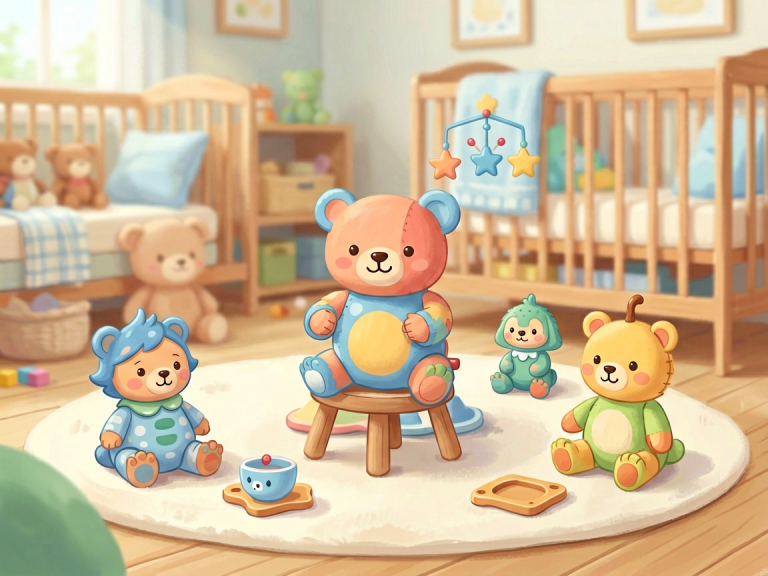
For infants, educational toys should focus on sensory stimulation and cause-and-effect relationships. Toys with contrasting colors, different textures, gentle sounds, and safe mouthable surfaces are ideal. Examples include soft fabric books with crinkle pages, interlocking rings that rattle, and simple grasping toys. At this stage, the toy’s primary role is to build neural connections through sensory exploration. Avoid toys with small parts that could pose choking hazards.
Toddlers (1–3 Years)
Toddlers are rapidly developing language, fine motor skills, and a sense of autonomy. Educational toys for this group should encourage sorting, stacking, matching, and simple problem-solving. Shape sorters, nesting cups, large pegboards, and basic puzzles with few pieces are excellent. Also, toys that imitate real-life activities—such as toy telephones, play kitchens, or push-along cars—help toddlers understand the world around them. Look for toys that are durable, washable, and free of sharp edges.
Preschoolers (3–5 Years)
Preschoolers are ready for more complex play that involves imagination, storytelling, and early literacy and numeracy. Building blocks like LEGO Duplo, magnetic tiles, and simple board games that teach counting or color matching are valuable. Art supplies such as washable markers, playdough, and child-safe scissors encourage creativity and fine motor control. Also consider toys that introduce basic scientific concepts, like magnifying glasses, bug catchers, or water play sets. At this stage, the toy should allow the child to direct the play, not the other way around.
School-Age Children (6–12 Years)
For older children, educational toys can become more sophisticated, involving strategy, logic, and collaborative play. Construction sets (like advanced LEGO or K’NEX), coding robots, science experiment kits, and complex board games (such as chess, Settlers of Catan, or cooperative games) are excellent choices. These toys not only build specific skills—such as coding logic or spatial reasoning—but also teach patience, negotiation, and long-term planning. Always consider the child’s individual interests: a child who loves animals may benefit from a dissection-free anatomy model, while a child drawn to music might enjoy a simple keyboard or percussion instruments.
Key Features to Look For: Safety, Quality, and Durability
No matter how educational a toy claims to be, it is worthless if it breaks within a week or contains harmful chemicals. Safety and quality must be non‑negotiable factors in your selection process.
Safety First
Check for certifications such as ASTM (American Society for Testing and Materials) or CE (Conformité Européenne) marks, which indicate that the toy meets rigorous safety standards. Avoid toys with sharp points, long cords that could cause strangulation, or toxic paints. For children under three, be especially vigilant about small parts that could be swallowed. Also consider the noise level: some electronic toys produce sounds that can damage young ears if played at high volume for extended periods.
Materials and Durability
Educational toys are often used repeatedly, sometimes roughly. Choose toys made from non-toxic, sustainable materials such as solid wood, food-grade silicone, or BPA-free plastics. Check that joints are securely fastened, that paint does not chip easily, and that electronic components are well protected. A well-made toy may cost more upfront, but it often outlasts multiple cheaper alternatives and can even be passed on to siblings or friends.
Open-Ended vs. Closed-Ended Play
A crucial distinction is between open-ended and closed-ended toys. Closed-ended toys have a single correct outcome—for example, a jigsaw puzzle that can only be completed one way. These are valuable for teaching specific skills like shape recognition or sequencing. Open-ended toys, such as blocks, clay, or loose parts (beads, sticks, fabric scraps), allow for infinite possibilities. The best educational toy collections include a mix of both, but research consistently shows that open-ended play fosters greater creativity, problem-solving, and executive function. Whenever possible, prioritize toys that can be used in multiple ways across different stages of development.
Aligning with Developmental Goals: Cognitive, Motor, Social, and Emotional Growth
An educational toy should not just teach a single concept—it should nurture the whole child. Let’s explore how different toys support various domains of development.
Cognitive Development
Cognitive skills include memory, attention, logic, and reasoning. Puzzles, memory games, and strategy board games are direct tools for building these abilities. However, even a simple set of counting bears can teach sorting by color, size, or weight—all cognitive tasks. For older children, science kits that require following step-by-step instructions and drawing conclusions from observations are excellent.
Motor Skills
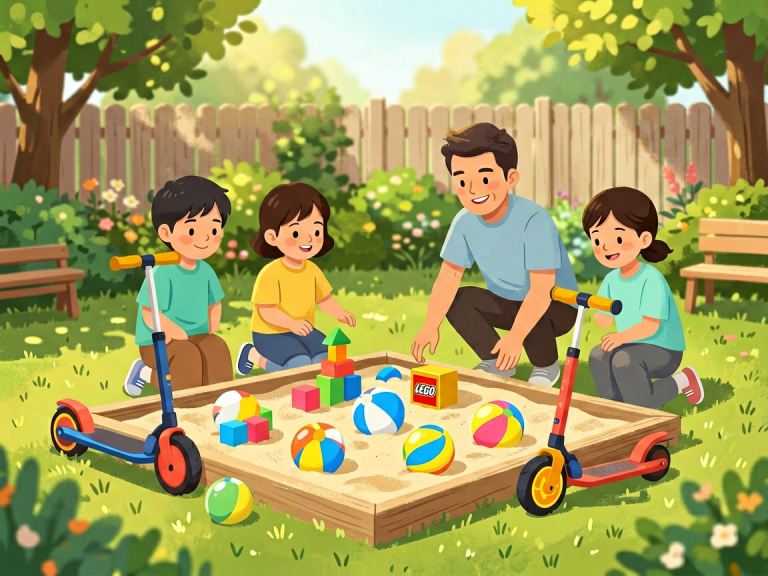
Fine motor skills involve the small muscles of the hands and fingers, which are essential for writing, buttoning, and using tools. Lacing beads, pegboards, playdough, and scissors all strengthen fine motor control. Gross motor skills—larger movements like running, jumping, and balancing—are supported by toys such as tricycles, balance beams, balls, and climbing structures. A well-rounded educational toy selection should address both domains.
Social and Emotional Skills
Many educational toys are designed for solitary play, but social skills are equally crucial. Cooperative board games (where players work together toward a common goal) teach collaboration, turn-taking, and empathy. Role-playing toys—such as doctor kits, grocery store sets, or dress-up costumes—allow children to practice social roles, negotiate, and express emotions in a safe context. Dolls and stuffed animals can also support emotional development by enabling children to project feelings and practice caregiving.
Language and Literacy
Toys that encourage storytelling, vocabulary building, and conversation are invaluable. Puppets, flannel boards, and magnet sets with letters and images can be used to create stories. Simple word games like “I Spy” or bingo with pictures and words are fun and effective. For bilingual families, toys that include multiple languages (without being overly electronic) can be a wonderful resource.
Types of Educational Toys: A Diverse Landscape
While it is impossible to list every type of educational toy, understanding a few broad categories will help you make balanced choices.
STEM Toys
STEM (Science, Technology, Engineering, and Mathematics) toys have grown enormously popular. Construction sets, coding robots, chemistry sets, and microscopes are classic examples. However, be cautious: some STEM toys are so prescriptive that they leave little room for creativity. Look for kits that allow open-ended experimentation, such as a set of gears and pulleys that can be configured in many ways.
Language and Literacy Toys
Alphabet puzzles, phonics games, and writing tools (like wipe-clean books) fall into this category. For young children, magnetic letters and a cookie sheet provide hours of playful letter recognition. For older children, a good old-fashioned dictionary or anagram games (like Scrabble Junior) can be more effective than a “talking” toy.
Creative and Artistic Toys
Art supplies are among the most powerful educational tools. Crayons, watercolor paints, modeling clay, and craft kits encourage self-expression, decision-making, and fine motor practice. Importantly, these toys do not dictate a right answer—which is exactly why they build confidence and creativity.
Musical Toys
Instruments—whether a simple xylophone, a set of maracas, or a child’s ukulele—support auditory discrimination, rhythm, and often mathematical thinking (through pattern recognition). Group music play also fosters social bonding.
Pretend Play Toys
Dolls, action figures, toy food, cash registers, and dress-up costumes are sometimes dismissed as “just fun,” but they form the bedrock of emotional and social intelligence. They allow children to rehearse adult roles, process experiences, and develop narrative skills.
Avoiding Common Mistakes: Overstimulation, Gender Stereotypes, and Passive Play
Even well-intentioned parents can make missteps. Awareness of these pitfalls will help you make better choices.
The Trap of Overstimulation
Many modern toys are packed with lights, sounds, and moving parts that grab a child’s attention but leave little room for deep focus. Overstimulating toys can actually shorten attention spans and reduce imaginative play. A classic wooden train set, by contrast, requires the child to create the story and the action. When evaluating a toy, ask: “Will my child need to use their imagination, or will the toy do all the work?”
Gender Stereotypes
Avoid limiting your child’s options based on outdated gender norms. Construction toys are not “for boys” any more than dolls are “for girls.” Research shows that children benefit from exposure to a wide range of play experiences. A toy store’s “boys’ aisle” may discourage girls from exploring engineering, while the “girls’ aisle” may steer boys away from nurturing play. Look for toys that are marketed in neutral ways, or simply ignore the marketing and choose based on the child’s interests.
Passive Screen-Based Toys
While some interactive tablets and apps can have educational value, they often promote passive consumption rather than active creation. The American Academy of Pediatrics recommends limiting screen time for young children and prioritizing hands-on, analog play. If you choose a digital toy, ensure it requires active problem-solving—such as a coding app that makes a physical robot move—rather than just tapping a screen.
Involving the Child in the Choice
One of the most effective strategies for ensuring a toy will be used and loved is to involve the child in the selection process. This does not mean giving an uninformed toddler a free pass at a toy store. Rather, it means observing what kinds of activities your child naturally gravitates toward. Does your child love building towers with blocks? Then a more advanced construction set would be a safe bet. Does your child spend hours drawing? Then a set of good-quality art markers or a drawing tablet (non-digital) might be perfect.
You can also take your child to a toy library or a community play center to try out different toys before purchasing. Many children lose interest in a toy after the initial novelty wears off, so it is wise to look for toys that can be revisited in different ways over time. When possible, choose toys that siblings or friends can play with together, as social play often extends engagement.
Budget vs. Value: Investing Wisely
Educational toys can be expensive, but price is not always an indicator of educational value. Some of the best educational toys are simple, inexpensive, and require no batteries: a set of wooden blocks, a pack of playing cards, a bag of marbles, or a collection of shells and stones for sorting. In fact, loose parts that you collect from nature or around the house can be more educational than many store-bought toys.
When budgeting, consider the toy’s potential lifespan. A high-quality building set that a child will use from age 3 to 10 offers far better value than a cheap plastic toy that breaks after two weeks. Also consider resale value or the possibility of passing it on. Many Montessori-style wooden toys retain their value and can be sold or donated.
Conclusion
Choosing educational toys does not have to be overwhelming. By focusing on active, open-ended play, matching the toy to your child’s developmental stage, prioritizing safety and quality, and avoiding common marketing traps, you can build a toy collection that truly supports your child’s growth. Remember that a toy is not educational because of the label on the box—it is educational because of how the child interacts with it. A simple cardboard box, a set of colorful scarves, or a bucket of water can be infinitely more educational than a fancy battery-powered gadget. Trust your child’s curiosity, and trust your own instincts. At the end of the day, the best educational toy is the one that makes your child’s eyes light up, their hands reach out, and their mind begin to wonder.