Fine Motor Skill Toys Buying Guide: A Complete Roadmap for Parents and Educators
Introduction: Why Fine Motor Skills Matter More Than You Think
In an age dominated by screens and passive entertainment, the humble act of picking up a tiny bead, threading a lace through a hole, or turning a small knob might seem trivial. Yet these seemingly simple movements are the building blocks of independence, academic success, and even emotional regulation. Fine motor skills—the coordinated use of small muscles in the hands, fingers, and wrists—are essential for everything from writing and buttoning a shirt to using scissors and typing. For children, especially those between the ages of 18 months and 7 years, the development of these skills is a critical milestone that lays the foundation for a lifetime of dexterity and confidence.
But with an overwhelming array of toys on the market—puzzles, stacking blocks, lacing cards, play dough sets, and countless others—how do you choose the right ones? This comprehensive buying guide will walk you through every stage of fine motor development, helping you select toys that are not only engaging but also safe, age-appropriate, and educationally valuable. Whether you are a parent, a childcare provider, or an occupational therapist, this guide will equip you with the knowledge to make informed purchasing decisions.
Why Fine Motor Skill Toys Are a Smart Investment
Before diving into the buying criteria, it is important to understand why these toys deserve a spot in every child’s toy box. Fine motor skill toys are not just about keeping little hands busy—they directly support brain development. When a child manipulates a small object, the sensory feedback from touch, pressure, and movement activates neural pathways that enhance hand-eye coordination, spatial awareness, and problem-solving abilities. Moreover, mastering these skills boosts a child’s self-esteem. Successfully completing a task like stringing beads or turning a key in a lock gives a sense of accomplishment that encourages further exploration.
From a practical standpoint, investing in high-quality fine motor toys can also save money in the long run. Durable materials like solid wood, reinforced plastic, or non-toxic silicone can withstand years of use and are often passed down to younger siblings. In contrast, cheap, flimsy toys may break quickly or lose their appeal, leading to frustration rather than learning.
Key Factors to Consider When Buying Fine Motor Skill Toys
Age Appropriateness: Matching Development to Design
The most critical factor in any toy purchase is whether it aligns with the child’s current developmental stage. A toy that is too advanced can cause frustration and disengagement, while a toy that is too simple offers no challenge and fails to promote growth. Here is a rough breakdown by age:
- 6 to 12 months: At this stage, infants are developing the palmar grasp (entire hand) and beginning to transfer objects from one hand to another. Look for toys that encourage reaching, grasping, and shaking, such as soft rattles, fabric crinkle books, and easy-to-grasp rings. Avoid toys with small parts that could be choking hazards.
- 12 to 24 months: Toddlers now use the pincer grasp (thumb and forefinger) to pick up tiny items. Stacking cups, large peg puzzles, and chunky crayons are excellent choices. Also consider toys that involve pushing, pulling, and turning, like simple shape sorters or pop-up toys with buttons.
- 2 to 3 years: This is the golden age for fine motor development. Children can handle more precise tasks like stringing large beads, using safety scissors (with supervision), and manipulating play dough. Lacing cards, threading toys, and beginner puzzles with 4 to 8 pieces are ideal.
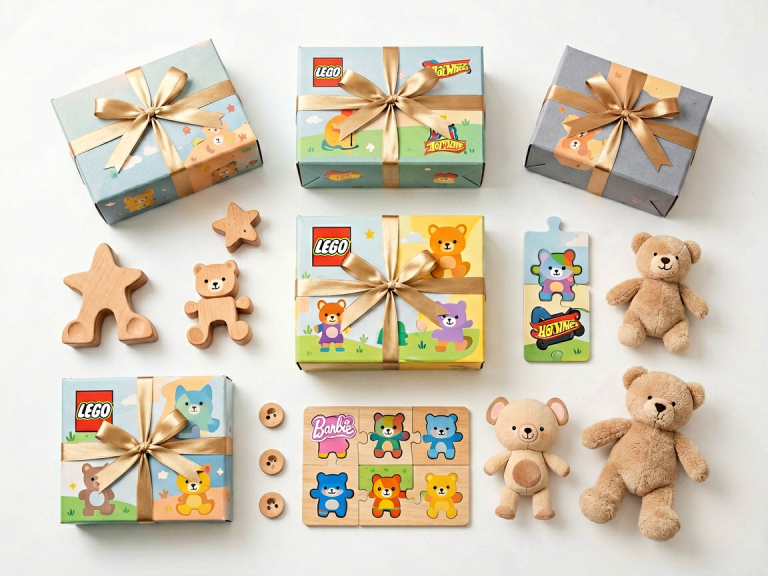
- 3 to 5 years: Preschoolers are ready for more complex challenges such as small building blocks (like LEGO Duplo), tweezers or tongs for transferring objects, and lacing activities with smaller holes. Look for toys that also promote bilateral coordination (using both hands together), such as beads-and-lace sets or snap-together construction toys.
- 5 years and up: Older children can engage in activities that require refined control, such as sewing cards, intricate puzzles (50 to 100 pieces), origami kits, and tools like screwdrivers or wrenches in building sets. These toys prepare them for handwriting and other academic tasks.
Material Safety: Non-Toxic and Durable
Children under the age of three are notorious for putting everything in their mouths. Therefore, material safety is non-negotiable. Always check for certifications such as ASTM (American Society for Testing and Materials) or EN71 (European standard for toy safety). Avoid toys with lead-based paints, phthalates, or BPA. Natural materials like untreated wood, organic cotton, and food-grade silicone are generally safer than cheap plastic. However, wooden toys should be free of splinters and have smooth edges. Also consider whether the toy is easy to clean—mold and bacteria can accumulate in crevices, especially in toys used with water or saliva.
The Right Level of Challenge: The “Goldilocks” Principle
A well-designed fine motor toy should be neither too easy nor too hard. The ideal toy provides a “just right” challenge that keeps the child engaged without causing meltdowns. For example, if a child can easily complete a lacing card in 10 seconds, it is time to move to one with smaller holes and a thinner string. Conversely, if the child cannot even get the string through the hole after several attempts, the toy may be prematurely frustrating. Look for toys that offer adjustable difficulty, such as puzzles with different piece counts, or bead sets with varying hole sizes. Many high-quality toys are designed with “graduated” difficulty levels built into the same set.
Open-Ended vs. Closed-Ended Toys
Another important distinction is between open-ended and closed-ended toys. Closed-ended toys have a specific goal—for example, a puzzle that can only be completed one way. These are excellent for teaching task completion and following steps. Open-ended toys, like play dough, building blocks, or kinetic sand, allow for limitless creativity and repeated use. Ideally, your collection should include both types. For fine motor development, closed-ended toys like lacing cards or threading beads are particularly effective because they require precise, repetitive movements that strengthen specific muscle groups. However, open-ended toys encourage problem-solving and imaginative play, which indirectly supports fine motor skills.
Top Fine Motor Skill Toy Categories: A Detailed Review
Lacing and Threading Toys
Lacing toys are classics for a reason. They require the child to hold a stiffened string or lace, guide it through a hole, and then pull it out the other side—an action that strengthens the pincer grasp and bilateral coordination. Look for lacing cards made of thick, sturdy cardboard with holes that are large enough for younger children. For older kids, smaller beads with a needle-like tool can be more challenging. One highly recommended product is the “Lacing Beads for Toddlers” set by Melissa & Doug, which includes wooden beads with smooth edges and a thick lace suitable for ages 2 and up.
Picking and Grasping Toys
Toys that involve picking up small objects with tweezers, tongs, or scoops are fantastic for building hand strength and precision. Examples include “Sneaky Snacky Squirrel” game (where children use tongs to pick up acorns), or “Count and Match Number Set” with small objects to be sorted using tweezers. These toys also teach counting and color matching, making them dual-purpose. For a budget-friendly option, consider a simple set of plastic tweezers and a bowl of pom-poms or dry pasta—supervised, of course.
Stacking and Nesting Toys
Stacking cups, rings, and blocks are among the first fine motor toys most children encounter. They require the child to align objects and place them precisely, which develops spatial awareness and hand-eye coordination. Choose stacking toys that have a variety of textures and colors. The classic “Fisher-Price Rock-a-Stack” is a timeless choice for infants, while older toddlers can enjoy wooden stacking blocks like those from “B. toys by Battat.” Some stacking toys also come with numbers or letters, adding a literacy component.
Construction and Building Sets
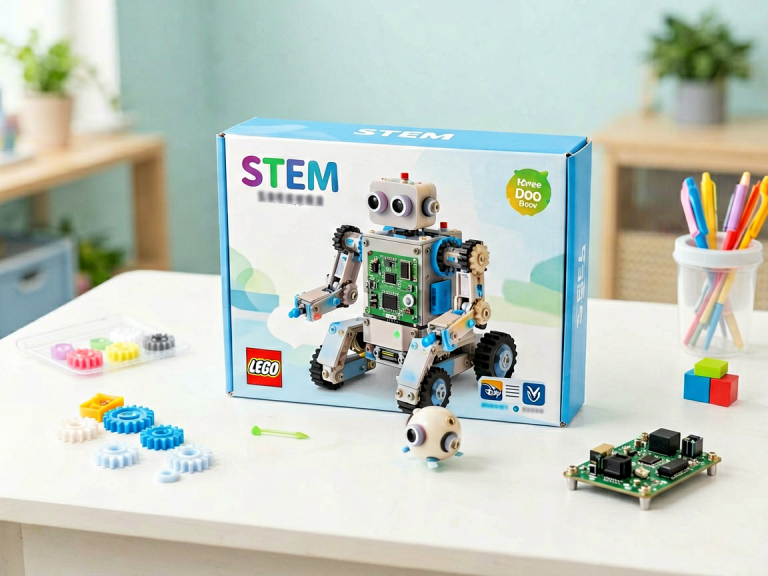
Building blocks, interlocking bricks, and magnetic tiles demand that children apply precise pressure and alignment to connect pieces. LEGO Duplo is the gold standard for ages 2 to 5, with larger bricks that are easy to handle but still require finger strength. For older children, LEGO Classic or magnetic tiles like “Magna-Tiles” offer more complex assembly. These toys also promote creativity and patience, as children must repeatedly try and adjust their grip.
Play Dough and Molding Sets
Manipulating play dough, clay, or modeling foam strengthens the small muscles in the hands and fingers through squeezing, rolling, and pinching. According to occupational therapists, play dough is one of the most effective tools for building hand strength. To maximize fine motor benefits, add tools like rolling pins, cookie cutters, and plastic scissors. However, be cautious with homemade play dough—recipes can contain salt that irritates cuts or dry out quickly. Commercial non-toxic doughs like “Play-Doh” are safe and come in a variety of colors and scents.
How to Evaluate Toy Quality Before Buying
Not all toys labeled “educational” are created equal. To ensure you are getting value for your money, apply the following checklist during your shopping:
- Check for smooth edges and (non-toxic) finishes. Run your fingers along the edges. If it feels rough or sharp, skip it.
- Test the weight and size. For small children, toys should be lightweight enough to be easily lifted but not so light that they feel cheap. Also ensure that small parts cannot be swallowed.
- Read reviews from other parents or occupational therapists. Look for comments about durability, ease of cleaning, and actual engagement level.
- Avoid toys with excessive buttons, lights, or sounds. While these can be fun, they often distract from the fine motor task itself. The best fine motor toys are simple and tactile, requiring the child to do the work.
- Consider multi-functionality. A toy that can be used in several ways—for example, a bead set that can be laced, stacked, or sorted—offers more value than a single-function gadget.
Conclusion: Building a Foundation with the Right Toys
Selecting fine motor skill toys does not have to be overwhelming. By focusing on age appropriateness, safety, challenge level, and material quality, you can create a well-rounded collection that supports your child’s development at every stage. Remember that the best toy is one that the child actually wants to play with repeatedly. Observe your child’s interests: a child who loves animals might benefit from a lacing card featuring a giraffe or a frog, while a budding engineer will thrive with construction sets.
Finally, don’t forget that adult involvement makes a huge difference. A child’s fine motor skills develop faster when they are guided, encouraged, and praised. Sit with your child, demonstrate a technique, and celebrate small victories. With the right toys and your active participation, you are not just buying plastic or wood—you are building the neural pathways that will serve your child for a lifetime.
Total word count: 1,287 (including title and headers)