The Essential Guide to Safe Hands-On Learning Toys for Kids: Fostering Growth Through Play
In an era dominated by screens and digital distractions, the timeless value of hands-on learning toys has never been more vital for children’s development. These tangible, interactive tools engage multiple senses, encourage problem-solving, and cultivate creativity in ways that passive entertainment cannot replicate. However, with countless products flooding the market, the paramount concern for parents and educators is safety. This comprehensive guide explores the world of safe hands-on learning toys for kids—why they matter, how to select them, and how they can transform playtime into a foundation for lifelong learning. From infants to school-age children, the right tactile experiences can nurture cognitive, motor, and social skills while ensuring peace of mind for caregivers.
What Defines a Safe Hands-On Learning Toy?
At its core, a hands-on learning toy is any object that requires a child to physically manipulate, build, sort, or create, thereby promoting active engagement rather than passive observation. Safety, however, is not a single attribute—it is a combination of design, materials, and age-appropriateness. A safe toy must be free from sharp edges, small detachable parts that pose choking hazards, toxic substances, and any mechanism that could pinch or trap fingers. Beyond these basics, truly safe toys are also emotionally safe: they avoid overly complex instructions that cause frustration, and they respect a child's natural pace of discovery.
Materials play a central role. Look for toys made from natural, non-toxic materials such as solid wood (preferably with water-based or beeswax finishes), organic cotton, food-grade silicone, and BPA-free plastics. Avoid toys with painted surfaces that may contain lead or phthalates. The European Union’s CE marking or the U.S. Consumer Product Safety Commission’s certification are helpful indicators, but conscientious parents will also research brand reputations and read independent safety reviews.
The Developmental Benefits of Hands-On Play: More Than Just Fun
The phrase “learning through play” is not a cliché—it is backed by decades of developmental psychology. Hands-on learning toys provide unique advantages that electronic gadgets simply cannot offer.
1. Fine and Gross Motor Skill Development
When a toddler stacks wooden blocks, they aren’t just playing—they are training the small muscles in their fingers, improving hand-eye coordination, and learning about balance and gravity. For older children, threading beads, using child-safe scissors, or molding clay refines their dexterity, which is essential for writing and daily tasks. Gross motor skills are also engaged with larger toys like building sets, balance boards, or pull-along carts that encourage whole-body movement.
2. Cognitive Growth and Problem-Solving
Puzzles, construction kits, and simple science experiment kits (like non-toxic slime making) require children to plan, test hypotheses, and learn from failure. These toys promote executive function skills such as working memory, flexible thinking, and self-control. Unlike a video game that often has a single correct sequence, high-quality hands-on toys allow multiple solutions, fostering creativity and resilience.
3. Sensory Integration and Emotional Regulation
For children with sensory processing differences—or indeed for all kids—tactile experiences help regulate the nervous system. Sand, water, play dough, and textured blocks provide calming input. Safe hands-on toys also offer a sense of control: a child can decide how to arrange pieces, how hard to press a clay mold, or how to combine colors. This autonomy builds confidence and reduces anxiety.
4. Social and Language Skills
When children play together with hands-on toys, they inevitably negotiate, share ideas, and describe their creations. A set of magnetic tiles or a wooden train track becomes a platform for storytelling and collaboration. This social interaction is irreplaceable for language development and empathy.
How to Choose Age-Appropriate Safe Toys: A Practical Framework
Selecting the right toy for a child’s developmental stage is the most important safety measure. A toy that is safe for a six-year-old may be hazardous for a two-year-old. Here is a breakdown by age group, with examples of excellent hands-on learning toys.
Ages 0–12 Months: Sensory Exploration
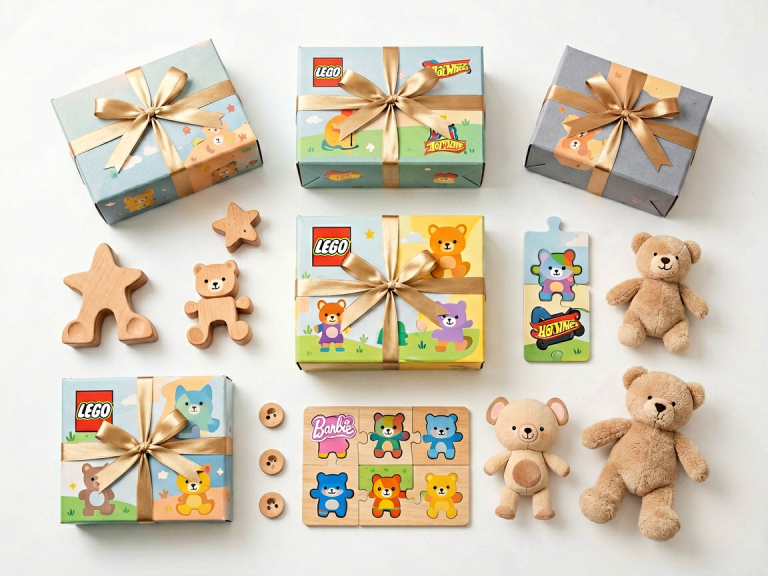
At this stage, safe toys are those that are large enough to prevent swallowing, made of soft or flexible materials, and easy to grasp. Silicone teething rings, cloth books with crinkle pages, and simple rattles offer early sensory feedback. Avoid anything with strings longer than 12 inches, and ensure all parts are securely attached. A wooden grasping toy with rounded edges is a wonderful first object for developing hand strength.
Ages 1–3 Years: Cause and Effect, Stacking, and Sorting
Toddlers are natural scientists. Wooden stacking cups, push-pull toys, shape sorters, and chunky puzzles (with large, easy-to-hold knobs) are ideal. Ensure paints are non-toxic and that pieces are too large to fit through a toilet paper tube (a standard choking hazard test). Plastic building blocks like DUPLO are safe, but check that they are free of BPA and phthalates. Avoid magnets and small electronic components.
Ages 3–5 Years: Imaginative Construction and Pretend Play
Preschoolers thrive with magnetic tiles, wooden train sets, simple lacing beads (with cords that are short and stiff, not long and flimsy), and dough sets that come with plastic cutting tools. Safety concerns shift to sharp edges on cutting tools—opt for blunted plastic knives. Also, avoid excessive small parts; if a toy comes with 20 tiny buttons, consider whether they could be scattered and ingested. Dress-up costumes should be flame-resistant and free from drawstrings.
Ages 5–8 Years: Engineering, Science, and Art
This age group can handle more complex kits: basic circuit toys (with screw-connections rather than soldered wires), building sets like K’NEX or LEGO Classic, scientific discovery kits (e.g., growing crystals with non-toxic chemicals), and craft kits for weaving, sewing, or making simple wooden models. Always check that science kits have clear labeling in English and that art supplies (markers, glues, paints) are labeled “non-toxic” and conform to ASTM D-4236. Avoid kits that require heating beyond a child’s ability—or ensure adult supervision.
Ages 8 and Up: Advanced Hands-On Learning
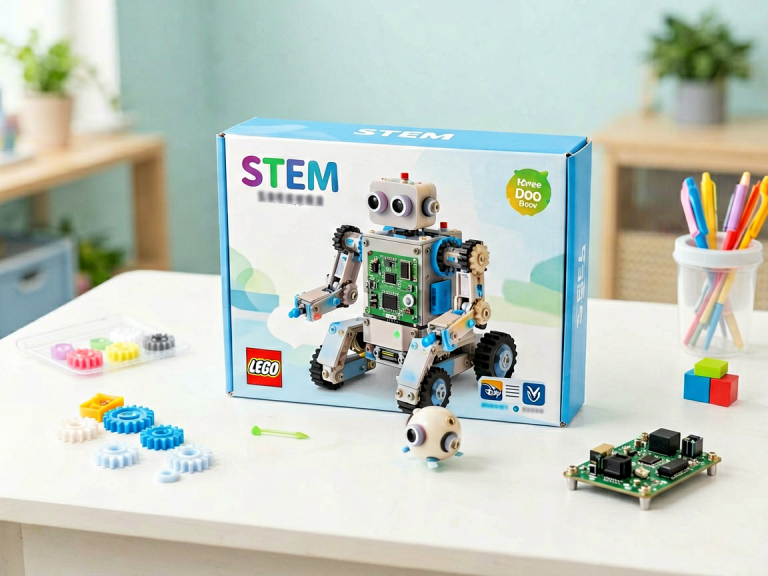
Older children benefit from robotics kits, woodworking sets with blunt tools, advanced puzzles (like 3D metal models—but with care for sharp edges), and chemistry sets with safety goggles. At this stage, the primary safety concern is proper supervision and clear instruction. Always test the toy yourself first to anticipate potential pitfalls.
Red Flags: What to Avoid When Shopping for Hands-On Toys
Despite the best intentions, some products marketed as “educational” may actually compromise safety. Here are common red flags:
- Strong chemical odors: A plastic toy that smells like gasoline or paint thinner likely contains volatile organic compounds (VOCs). Trust your nose.
- Unclear labeling: If a toy does not specify the country of origin, the materials used, or age recommendations, avoid it. Reputable manufacturers proudly display certifications.
- Button batteries: Toys that require button batteries (the small, coin-shaped kind) are a serious hazard if swallowed. Avoid them for children under 8 unless the battery compartment is secured with a screwdriver-required lock.
- Magnetic pieces: Small, powerful neodymium magnets (often found in building sets) can cause severe internal injuries if ingested. Stick to large, weak magnets encapsulated in plastic for young children.
- Handmade or vintage toys: While charming, secondhand or homemade toys may not meet current safety standards. They might contain lead paint or small parts that have become loose over time. Only purchase from trusted, modern sources.
The Role of Parental Supervision: Not a Substitute, but a Partner
No toy is completely risk-free without adult oversight. The safest hands-on learning environment is one where a caregiver observes, explains, and occasionally intervenes. This does not mean hovering—but it does mean being present. For example, a child using a wooden hammer toy should be taught not to swing it near faces. A child exploring a magnetic building set needs to understand that magnets stay on the table.
Supervision also means maintaining the toy over time. Regularly inspect wooden toys for splinters, check that plastic parts are not cracking, and replace worn-out batteries. Clean silicone and plastic toys in hot soapy water; for wooden toys, wipe with a damp cloth and air dry thoroughly to prevent mildew.
Eco-Friendly and Sustainable Choices: Safety for the Child and the Planet
Increasingly, parents are looking for toys that are not only safe for their children but also for the environment. Sustainable hands-on learning toys often use FSC-certified wood, organic cotton, recycled plastics, and plant-based inks. Brands like PlanToys, Hape, and Grimm’s have set high standards for both safety and sustainability. These toys tend to last longer, can be passed down to siblings, and reduce exposure to unknown chemicals. Additionally, they often come in minimal, recyclable packaging, teaching children an early lesson in caring for the Earth.
Conclusion: Play with Purpose, Shop with Care
Safe hands-on learning toys are an investment in a child’s future—a future where curiosity is encouraged, creativity is celebrated, and foundational skills are built joyfully. By carefully selecting toys that align with a child’s age, interests, and developmental needs, and by prioritizing materials that are non-toxic and durable, we create an environment where play is both enriching and secure. The best toy is not the flashiest or the most expensive; it is the one that a child can hold, manipulate, and transform into a thousand different possibilities, all while staying safe and sound. As caregivers, our role is to curate that world thoughtfully—and then step back and watch the magic unfold.