The Essential Guide to Safe Fine Motor Skill Toys for Kids: Balancing Development and Safety
Introduction: Why Fine Motor Skills Matter
From the first time a baby grasps a parent’s finger to the moment a preschooler learns to hold a pencil, fine motor skills are the unsung heroes of early childhood development. These small, precise movements—using the muscles in the hands, fingers, and wrists—are foundational for tasks such as writing, buttoning a shirt, using utensils, and even tying shoelaces. Yet as parents and educators search for toys that nurture these skills, safety often takes a backseat to flashy features or educational claims. The truth is that not all “fine motor toys” are created equal, and some can pose choking hazards, toxic risks, or other dangers. This article explores what makes a fine motor skill toy truly safe, how to choose age-appropriate options, and which types of toys best support healthy development without compromising well-being.
Understanding Fine Motor Skill Development in Children
Fine motor skills develop in a predictable sequence, starting from gross arm movements to refined finger control. Infants begin with palmar grasps, then move to pincer grasps (using thumb and forefinger) around 9–12 months. Toddlers progress to stacking, sorting, and twisting. Preschoolers refine their abilities with cutting, drawing, and manipulating small objects. Each stage requires toys that match the child’s current abilities while gently challenging them. A toy that is too advanced can frustrate a child; one that is too simple may bore them. More critically, a toy that is unsafe can cause injury or discourage exploration. Therefore, safety is not an afterthought but a core design principle for any fine motor skill toy.
Key Safety Criteria for Fine Motor Toys
When evaluating any toy intended to develop fine motor skills, several safety factors must be considered. First and foremost is choking hazard prevention. Small parts—those that can fit inside a toilet paper roll or a standard choking test cylinder—are dangerous for children under three. Look for toys with parts that are securely attached, oversized, or made from a single piece of material. Second, material safety is paramount. Toys should be free from BPA, phthalates, lead, and other toxic chemicals. For wooden toys, ensure the paint is non-toxic and water-based. For plastic toys, check for labels like “phthalate-free” and “PVC-free.” Third, durability and construction matter. Toys that break easily can create sharp edges or small fragments. Avoid toys with magnets that can be swallowed or batteries that are accessible. Finally, age labeling is not just a suggestion; it is a guideline based on developmental and safety research. Always follow the manufacturer’s recommended age range.
Top Categories of Safe Fine Motor Skill Toys
The market offers a wide variety of fine motor toys, but not all are equally safe or effective. Here are some of the best categories that combine developmental benefits with robust safety standards.
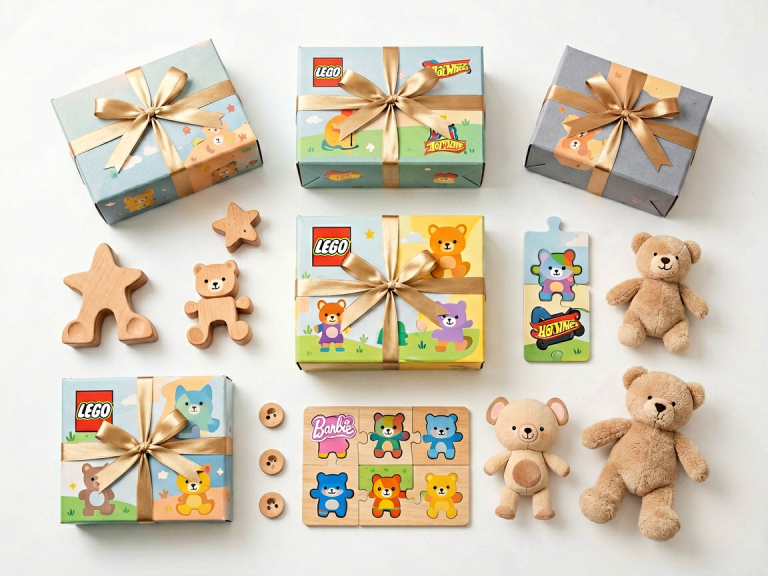
*Stacking and Nesting Toys*: Classic stacking rings, wooden blocks, and nesting cups are excellent for developing hand-eye coordination and grasping skills. For infants, choose soft, fabric-based stackers that are lightweight and easy to grip. For toddlers, wooden rings with a central post that is securely attached are ideal. Ensure the rings are large enough to prevent swallowing and that the base is stable to prevent tipping.
*Puzzle Toys*: Simple peg puzzles with large, chunky knobs help toddlers practice pincer grasps. Look for puzzles made from sustainably sourced wood with rounded edges and non-toxic finishes. Avoid puzzles with thin, flat pieces that can be a choking hazard if they break. For older children, jigsaw puzzles with large pieces (at least 2 inches across) are safe and encourage fine motor planning.
*Lacing and Threading Toys*: Stringing beads or lacing cards improve bilateral coordination and finger dexterity. Choose beads that are at least 1.5 inches in diameter with holes large enough for a plastic needle or lace. Ensure the laces have a stiff tip that is not too sharp. Avoid beads that are painted with glossy, potentially toxic coatings.
*Squeeze and Manipulative Toys*: Soft squeeze balls, sensory toys filled with gel or sand, and pop-up toys that require pressing, twisting, or sliding are great for strengthening hand muscles. These should be made from medical-grade silicone or non-toxic rubber. The internal filling must be securely sealed to prevent leakage. Also, avoid toys that create loud or startling noises, which can overstimulate young children.
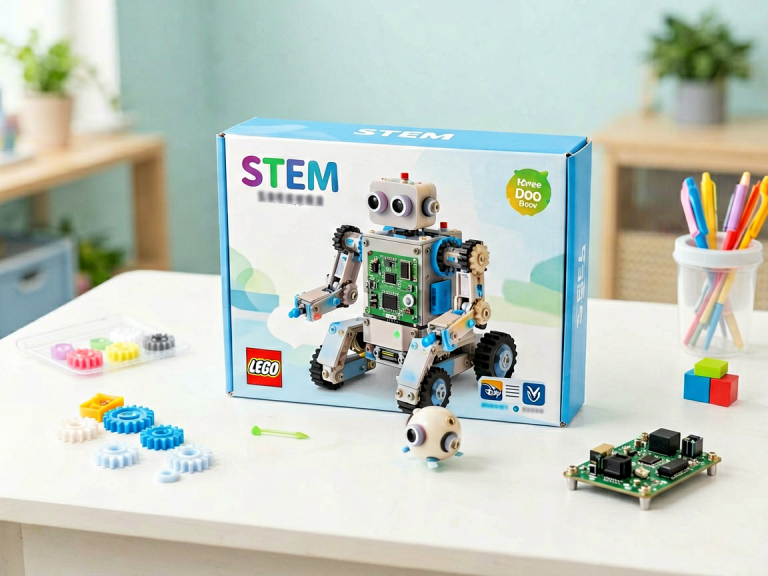
*Building and Construction Sets*: Large interlocking bricks (such as Duplo) or magnetic blocks with oversized, encapsulated magnets are safe for building fine motor skills. The pieces should be easy to connect and separate without requiring excessive force. Avoid sets with small connectors or thin rods. Always verify that the magnets are securely enclosed and cannot be accessed.
*Art and Writing Tools*: Thick crayons, washable markers, and chunky chalk help children practice the tripod grip. Choose triangular-shaped crayons that naturally guide finger placement. Ensure markers have ventilated caps (in case of accidental swallowing). Safety scissors with blunt tips and spring-loaded handles are also excellent for fine motor development.
How to Vet a Toy for Safety Before Purchase
Even with product descriptions and labels, it is wise to conduct your own safety check. First, read reviews from other parents or professional organizations such as the American Academy of Pediatrics or Consumer Product Safety Commission. Second, inspect the toy physically if possible: look for loose parts, sharp points, loose threads, or odd smells. Third, consider the child’s unique behaviors—if they tend to mouth objects, avoid toys with small parts or fuzzy materials that can shed. Fourth, check for recalls on the CPSC website. Finally, trust your instincts: if a toy feels flimsy or poorly made, it probably is.
The Role of Supervision and Play Environment
No toy is 100% safe in the absence of adult supervision, especially for children under three. Even the safest fine motor toy can become hazardous if used improperly. Supervise play sessions, especially when introducing new toys. Create a clean, clutter-free play area where small items cannot be lost or hidden. Teach older children to pick up and store toys properly. Rotate toys to maintain interest and reduce the risk of boredom leading to rough play. Additionally, avoid toys that rely on batteries or electronics, as they can overheat or pose electrical risks. Simple, non-mechanical toys are often the safest and most effective for fine motor development.
Common Pitfalls: What to Avoid
Some toys marketed as “fine motor” are actually counterproductive or dangerous. Avoid toys that require excessive force, such as hard plastic toys that need strong squeezing—they can cause hand fatigue or injury. Avoid toys with strings longer than 12 inches, as they pose a strangulation risk. Avoid toys that make loud, sudden noises, which can damage hearing and startle a child. Also, be cautious of toys with multiple small accessories, like playdough sets with tiny cutters or plastic food items. While playdough itself is generally safe (if non-toxic and made without wheat for allergies), the tools can be unsafe. Finally, avoid any toy that uses strong adhesives or that has parts that can be easily bitten off.
Conclusion: Investing in Safe Development
Choosing safe fine motor skill toys is not about being overly cautious—it is about respecting the developmental journey of a child. The best toys are those that allow children to explore, fail, and try again without risk of harm. They empower little hands to grow stronger, more coordinated, and more confident. By prioritizing safety, materials, and age-appropriateness, parents and educators can create an environment where fine motor skills flourish naturally. Remember, a child’s most valuable fine motor tool is their own curiosity, guided by a safe, supportive world of play.
*Word count: 1,048 (excluding title and subheadings)*