The Essential Guide to Building Sets Age Recommendations: Why They Matter and How to Choose Wisely
Introduction: The Role of Age Recommendations in Building Sets
Building sets—from classic wooden blocks to intricate LEGO Technic models—have been a cornerstone of childhood play for generations. They inspire creativity, improve fine motor skills, and introduce early concepts of engineering and physics. Yet one of the most overlooked aspects of purchasing these toys is the age recommendation printed boldly on the box. Many parents and gift-givers dismiss these numbers as mere marketing suggestions, assuming that a "5+" label simply means the set is too easy for a seven-year-old. In reality, age recommendations for building sets are meticulously researched guidelines that balance safety, cognitive development, and frustration levels. Understanding these recommendations is crucial not only for ensuring a child’s safety but also for maximizing the educational value of the toy. This article explores the logic behind building set age labels, provides a detailed breakdown of what to look for at each stage of childhood, and offers practical advice for choosing the perfect set for any young builder.
Why Age Recommendations Are Not Arbitrary: Safety and Developmental Considerations
The first and most critical reason for age recommendations is safety. Small parts pose a choking hazard for children under three, and building sets intended for older kids often contain pieces smaller than the standard 31.7 mm diameter that defines a choking risk. Regulatory bodies such as the U.S. Consumer Product Safety Commission enforce strict testing for toys aimed at different age brackets. A set marked "3+" has passed specific safety tests for that age group, meaning it contains no sharp edges, toxic materials, or components that could break into dangerous fragments. Beyond physical safety, age recommendations take into account a child’s cognitive and motor skills. A two-year-old lacks the hand-eye coordination and attention span to follow a 50-step instruction manual, while a ten-year-old may become bored with a set that contains only large, snap-together pieces. The recommended age is a signal that the complexity of the build—number of steps, piece variety, and required dexterity—aligns with typical developmental milestones. Ignoring these signals can lead to frustration, abandonment of the toy, or even accidental ingestion of small components.
Decoding the Age Labels: What Do They Really Mean?
Building set manufacturers use a variety of labeling systems, but the most common are the "+" format (e.g., 4+, 10+) and the age range (e.g., 6–12). A "+" label indicates the minimum age at which an average child can handle the set with reasonable success. It does not mean the set is too easy for older children; many adults enjoy complex LEGO sets marked "18+." The range format, often found on educational brands like Melissa & Doug, suggests a window where the toy offers appropriate challenge and engagement. Some premium brands, such as the German company Eichhorn, go further by including skill-level indicators. It is also important to distinguish between "recommended age" and "adult supervision recommended." A set may be labeled "adult supervision recommended" if it contains magnets, batteries, or small mechanical components even if the recommended age is, say, eight. For the most accurate interpretation, always read the fine print on the back of the box and check the number of pieces: a 500-piece set marked "5+" is likely made of larger blocks, while a 500-piece set marked "10+" will include tiny interlocking bricks that require precision.
Age-by-Age Guide: Choosing Building Sets for Toddlers (1–3 Years)
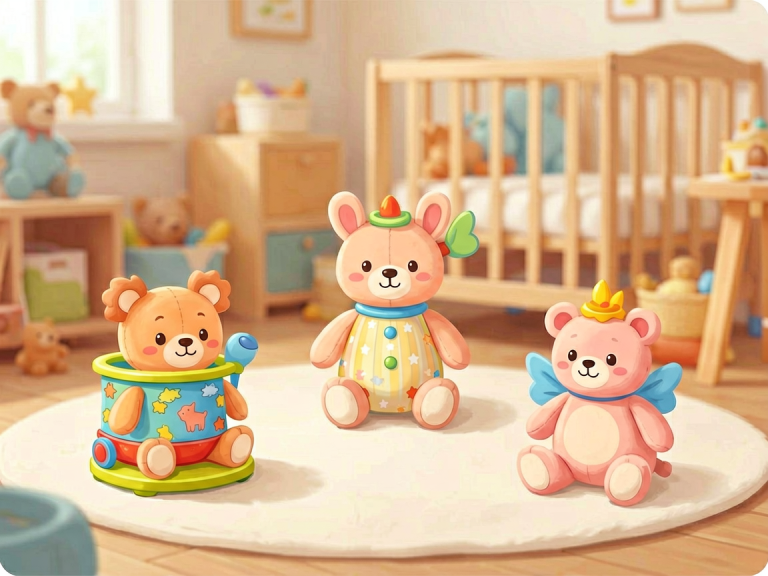
For the youngest builders, the focus is on safety and sensory exploration. Building sets for this age group typically feature oversized, soft, or lightweight blocks that are easy to grasp. Classic wooden unit blocks or large plastic interlocking blocks (like Duplo) are ideal. The recommended age is usually 1½ to 3, and the pieces should be chunkier than a toddler’s fist. Avoid any set with magnets, small wheels, or detachable appendages. At this stage, the goal is not to follow instructions but to stack, knock down, and experiment with balance. This free-form play strengthens hand muscles and introduces concepts of gravity and spatial relationships. When selecting a set for a toddler, look for at least 20–30 pieces of varying shapes and colors, and ensure that the material is non-toxic and easy to clean.
Preschool and Early Elementary (3–5 Years)
Children aged three to five begin to understand simple sequences and can follow basic picture-based instructions. Building sets in this category often include themes like animals, vehicles, or buildings, with pieces that snap together easily. LEGO’s Duplo line extends into this age range, but standard LEGO bricks (the small ones) are not recommended until age 4 or 5 due to choking risks and fine motor challenges. Other excellent options include Magformers (magnetic tiles), Tegu magnetic wooden blocks, and larger construction sets from brands like Mega Bloks. The recommended age for most of these sets is 3+ or 4+. The number of pieces typically ranges from 30 to 80. Children at this age can handle simple step-by-step builds with 5 to 15 steps, but they still benefit greatly from unguided free play. Look for sets that offer a balance: one model to build with instructions, plus enough extra pieces for creativity.
Middle Childhood (5–8 Years)
Between the ages of five and eight, children’s manual dexterity and attention spans grow significantly. Sets recommended for ages 5–8 can contain up to 200 pieces and involve more complex assembly, including moving parts like wheels, hinges, and small gears. LEGO City, LEGO Friends, and LEGO Classic sets dominate this category, but competitors like Playmobil (which uses both bricks and figures) and K’NEX (rod-and-connector systems) are also popular. At this stage, many children can read simple instructions with numbers and arrows. However, it is important to match the set’s complexity to the child’s experience. A child who has never built a LEGO set before might struggle with a 150-piece set, even if it is labeled "5+." A good strategy is to start with a set that builds one or two models, then gradually increase piece count and step length. Also consider theme-based sets that align with the child’s interests—dinosaurs, space, or firefighters—because motivation greatly improves persistence.
Older Children and Tweens (8–12 Years)
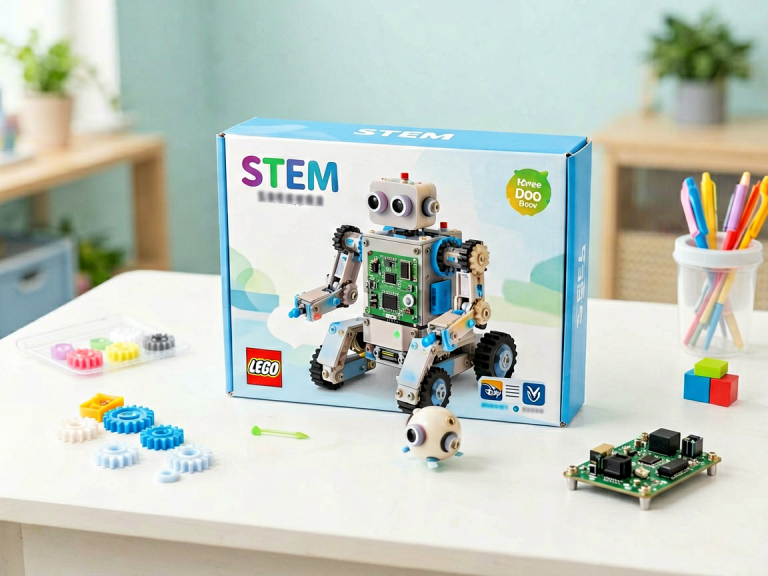
The 8–12 age bracket is where building sets become sophisticated hobby tools. LEGO Technic, LEGO Creator Expert, and complex architecture sets often carry age recommendations of 9+ or 10+. These sets may include hundreds or even over a thousand pieces, with specialized components such as axles, gears, pneumatic cylinders, and electric motors. The instructions become dense, with multiple sub‑assemblies and symmetry checks. At this age, children develop the ability to visualize three-dimensional structures from two‑dimensional diagrams, and they can troubleshoot when a piece does not fit. Building times can stretch from one hour to several days, teaching patience and project management. Other brands like Meccano (metal parts with nuts and bolts) and Thames & Kosmos engineering kits are excellent for this age. When choosing a set for an 8‑to‑12‑year‑old, consider not only the piece count but also the level of detail. A child who enjoys role‑playing may prefer a highly detailed playset, while a child who loves mechanics may thrive on a working model of a car or crane.
Teenagers and Adults (12+)
For teenagers and adults, building sets can be complex, artistic, and even therapeutic. Sets marked 12+, 14+, or 18+ often feature thousands of pieces, intricate mechanical functions, or delicate aesthetic details. LEGO’s Ultimate Collector Series, Architecture Skyline, and botanical collection are prime examples. These sets are designed as much for display as for play, and the build process can take many hours. At this level, age recommendations are less about safety and more about cognitive endurance and manual precision. A 16‑year‑old might happily tackle a 6,000‑piece model over a week, while a 12‑year‑old might become overwhelmed. Many adults also enjoy building sets as a form of mindfulness, similar to jigsaw puzzles. When selecting for a teenager, consider their particular interests: music lovers might enjoy a brick‑built piano, while car enthusiasts might want a detailed Bugatti Chiron model. The key is to match the set’s scale and theme to the individual’s passion.
Beyond the Box: How to Adapt Building Sets for Different Skill Levels
No two children develop at exactly the same pace, so age recommendations are guidelines, not rules. A four‑year‑old with exceptional fine motor skills might safely enjoy a set labeled "5+," but only with strict adult supervision and no small parts left around younger siblings. Conversely, a seven‑year‑old with attention challenges might benefit from a "3+" set that allows for quick success. Parents can also modify a set to adjust difficulty: remove pieces to simplify the build, combine two smaller sets for a bigger challenge, or introduce additional props like LED lights or motors. Another adaptive strategy is to let the child build the set once according to instructions, then encourage them to disassemble and create their own designs. This not only extends the toy’s lifespan but also shifts the focus from compliance to creativity. Always remember that the ultimate goal is enjoyment and learning—if a set causes tears of frustration, step back and choose something simpler.
Conclusion: Empowering Creativity Through Informed Choices
Building sets offer a unique blend of entertainment and education, but their potential is fully realized only when they match the child’s age, skills, and interests. Age recommendations are not arbitrary numbers—they are the result of careful testing and developmental research. By paying attention to these labels, parents can avoid safety hazards, reduce frustration, and maximize the cognitive benefits of construction play. From toddler’s first stack of blocks to a teenager’s intricate mechanical masterpiece, the right building set can foster problem‑solving, perseverance, and pure joy. Next time you stand in front of a wall of colorful boxes, ignore the flashy images for a moment and read the small print. That number on the corner might be the most important piece in the entire set.