Creativity Toys Guide for Parents: Unlocking Your Child’s Imagination
As parents, we all want our children to grow up curious, confident, and capable of thinking outside the box. In a world increasingly dominated by screens and passive entertainment, one of the most powerful tools we have is the humble toy. But not all toys are created equal. While many offer short-term fun, the best ones do something far more valuable: they spark creativity. This guide will help you understand what creativity toys are, why they matter, and how to choose and use them effectively to nurture your child’s natural inventiveness.
Why Creativity Toys Matter More Than You Think
Creativity is not just about art or music. It is the foundation of problem-solving, critical thinking, and emotional resilience. When children engage with toys that encourage open-ended play, they learn to experiment, fail, and try again. They develop the ability to see multiple solutions to a single problem. In early childhood, the brain is exceptionally plastic, and the right kind of play can literally shape neural pathways that support lifelong learning.
Research shows that children who regularly engage in creative play perform better in school, have stronger social skills, and are more adaptable to change. Creativity toys—those that have no single “correct” use—force children to invent their own rules, stories, and outcomes. This autonomy builds confidence and a sense of agency. In an age where standardized testing and structured activities dominate, giving your child the freedom to create on their own terms is a gift that will pay dividends for years to come.
How to Identify a True Creativity Toy
Not every colorful or expensive toy qualifies as a creativity booster. The key is open-endedness. A creativity toy should allow a child to use it in many different ways, without a predetermined end result. Here are some practical criteria to guide your selection:
- No single “right” answer: Building blocks, for example, can become a tower, a castle, a spaceship, or a bridge. A paint set can produce anything from a portrait to an abstract swirl. If the toy comes with a manual that tells your child exactly what to build or draw, it may be more of a “following instructions” toy than a creativity toy.
- Adaptable to different ages and skill levels: The best creativity toys grow with your child. A simple set of wooden blocks can engage a toddler who stacks them, a preschooler who builds houses, and an older child who creates complex architectural models.
- Encourages process over product: Does your child enjoy the act of playing more than the final result? Toys like clay, sand, water, and building sets emphasize the joy of doing, not just the satisfaction of finishing.
- Minimal batteries and noise: Electronic toys that talk, flash, or sing often dictate the activity. They tell the child what to do. Creativity toys are usually quiet, simple, and powered by the child’s own imagination.
Top Types of Creativity Toys Every Parent Should Consider
Building and Construction Sets
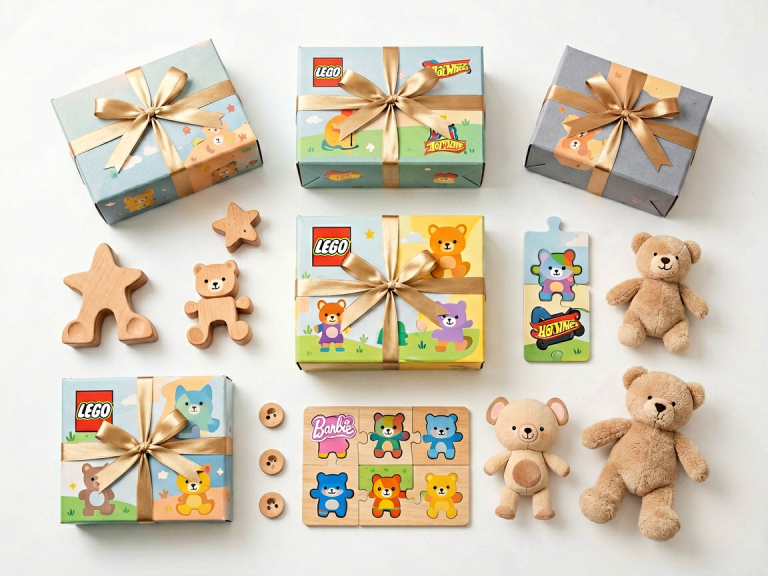
Classic wooden blocks, magnetic tiles, LEGO bricks (especially the basic sets, not the themed kits with step-by-step instructions), and even cardboard boxes are fantastic. They teach spatial reasoning, balance, and physics. More importantly, they teach that failure is part of creation—a tower that falls is not a mistake, but a lesson in design.
Art and Craft Supplies
Avoid “paint-by-numbers” kits. Instead, invest in quality materials: watercolors, tempera paint, modeling clay, colored paper, glue, scissors, and a roll of tape. Don’t forget recycled items like egg cartons, bottle caps, and fabric scraps. A “loose parts” box filled with random objects can become a treasure chest of inspiration.
Imaginative Play Sets
Dress-up clothes, puppet theaters, toy kitchens, and simple figurines (animals, people, fantasy creatures) allow children to create narratives. The best ones are minimalistic—a set of plain wooden animals can be anything from a farm to a jungle to a magical kingdom. Avoid sets that come with a specific story or script.
Sensory and Loose Parts Play
Sand, water, play dough, kinetic sand, rice bins, and natural materials like pinecones and shells are incredibly creative. They engage multiple senses and invite experimentation. A child can scoop, pour, mold, and mix without any predetermined outcome. This kind of play is calming and fosters deep concentration.
STEM Toys That Encourage Invention
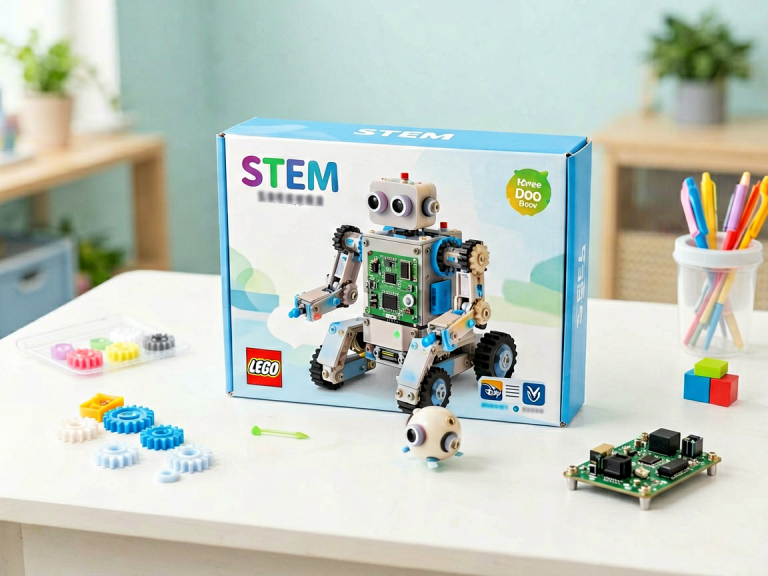
Many modern STEM toys focus on kit-based projects with fixed results. Look instead for toys that let children design, modify, and test their own ideas. Simple circuits, basic coding blocks (like those that don’t require a screen), and magnetic gears allow for open-ended engineering. The goal is not to build the robot on the box, but to invent something entirely new.
Practical Tips for Parents to Foster Creative Play
Create a “Yes” Space
Designate an area in your home where your child can make a mess. Put out a small table with art supplies, a shelf of building materials, and a bin of loose parts. When you say “yes” to messy play, you say “yes” to creativity. Cover the floor with a drop cloth if needed, but let them experiment freely.
Step Back and Observe
It’s tempting to show your child how to “correctly” use a toy. Resist this urge. Let them discover on their own. If they turn a toy car into a boat, let them. If they paint a purple sun, admire it. Your role is not to teach, but to facilitate. Ask open-ended questions like, “What do you think happens next?” or “Can you tell me about your creation?”
Rotate Toys Regularly
Too many choices can overwhelm a child. Keep only a few creativity toys accessible at a time and rotate them every few weeks. This keeps the toys fresh and rekindles interest. When a box of wooden blocks reappears after a month away, it feels like a brand-new discovery.
Model Creativity Yourself
Children learn by watching. If you sit down to draw, build a small model, or write a story alongside them, you demonstrate that creativity is a lifelong skill. Don’t worry if you’re not “good” at art—your willingness to try is more important than the outcome. Let them see you make mistakes and laugh about them.
Limit Screen Time and Battery-Operated Toys
Passive entertainment—videos, apps, and toys that do things on their own—rarely builds creativity. They may be fun, but they should not dominate playtime. Set clear boundaries for screen use and encourage your child to fill the rest of their day with hands-on, imaginative play.
Common Mistakes to Avoid When Buying Creativity Toys
- Buying too many things at once: A cluttered playroom can actually stifle creativity. Children need space and time to deeply engage with a few items, not a mountain of plastic.
- Focusing on brand names or trends: The most creative toy might be a simple cardboard tube or a set of plain wooden rings. Don’t be fooled by marketing that claims a toy will “boost IQ” or “make your child a genius.” Trust the open-ended principle.
- Over-structuring their playtime: Avoid scheduling every moment. Creativity thrives in boredom. Let your child get bored; that’s when their imagination kicks in to entertain them.
- Critiquing their creations: Never say, “That doesn’t look like a dog,” or “You did it wrong.” Instead, celebrate the effort and the unique perspective. Your praise should focus on the process: “I love how you tried such a bold color!” or “That was a clever way to balance those blocks.”
Conclusion: The Best Toy Is an Invitation
Ultimately, the best creativity toy is not a product you buy—it is an invitation. It is the time, space, and permission you give your child to explore, experiment, and express themselves without fear of judgment. As a parent, your greatest gift is not a perfectly curated toy collection, but a mindset that values curiosity over perfection, process over product, and imagination over instruction.
So next time you walk into a toy store, ignore the flashy packaging and the “educational” claims. Look for the simple, the flexible, the open-ended. Look for toys that ask your child a question rather than give them an answer. And remember: the most creative child is not the one with the most toys, but the one who knows how to turn a cardboard box into a castle, a stick into a magic wand, and a rainy afternoon into a grand adventure.