Choosing Safe Toys: A Comprehensive Guide to Protecting Your Childs Health and Happiness
Introduction
Toys are more than just playthings; they are tools for learning, creativity, and emotional development. Yet, behind the bright colors and cheerful packaging, hidden dangers lurk. Each year, thousands of children worldwide are treated in emergency rooms for toy-related injuries, ranging from minor cuts to life-threatening choking incidents or chemical poisonings. As parents, caregivers, or gift-givers, understanding how to choose safe toys is not a luxury—it is a fundamental responsibility. This article provides a thorough, evidence-based framework for evaluating toy safety, covering regulatory standards, age-appropriateness, material composition, mechanical risks, and practical purchasing tips. By mastering these principles, you can ensure that every toy brings joy without compromising your child's well-being.
## Understanding Toy Safety Standards and Labels
Before buying any toy, it is essential to familiarize yourself with the safety certifications and labeling systems used in your region. In the United States, the Consumer Product Safety Commission (CPSC) enforces mandatory safety requirements under the Federal Hazardous Substances Act and the Consumer Product Safety Improvement Act (CPSIA). Look for the ASTM F963 label, which indicates that the toy has passed rigorous testing for mechanical, physical, and flammability hazards. Similarly, the European Union uses the CE marking, which signifies conformity with the Toy Safety Directive (2009/48/EC). For products sold in Australia, the AS/NZS 8124 standard applies.
It is not enough to simply see a certification mark; you should also check for any recent recalls. The CPSC website maintains an up-to-date recall list, and many retailers provide recall information at the point of sale. Beware of counterfeit labels or vague claims like “safe for children” without a specific standard. Legitimate certifications are backed by third-party testing laboratories. Additionally, always read the manufacturer’s warnings, which are required by law to include age recommendations, choking hazard alerts, and any necessary assembly instructions. Ignoring these labels is one of the most common—and preventable—mistakes parents make.
## Age Appropriateness: Matching Toys to Developmental Stages
The single most important factor in toy safety is age appropriateness. A toy designed for a 10-year-old may contain small parts that can be fatal for a toddler, or complex mechanisms that frustrate a preschooler. The age rating on a toy package is not arbitrary; it is based on cognitive, physical, and behavioral characteristics of children at different stages.
Infants (0–12 Months)
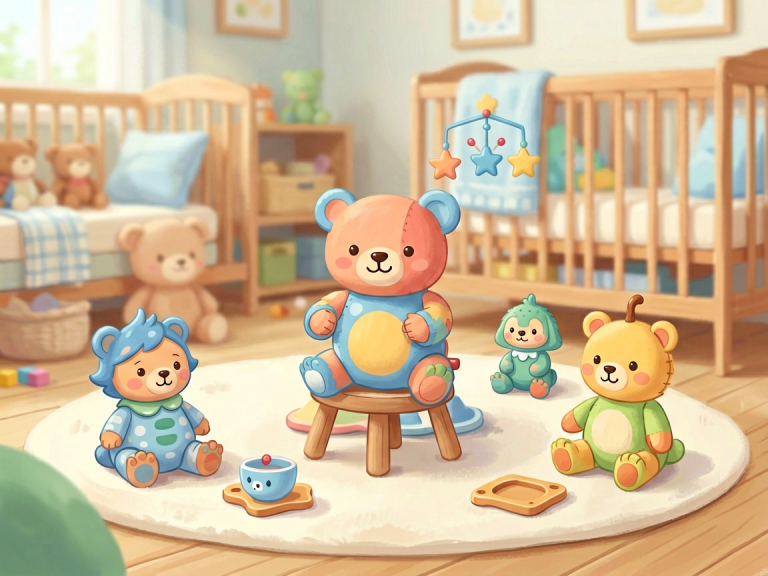
Infants explore primarily through mouthing, so any toy must be free of small, detachable parts that could cause choking. The choke tube test is a reliable guide: if a toy or part can fit inside a standard toilet paper roll (approximately 1.25 inches in diameter), it is too small for children under three. For infants, choose soft, washable plush toys with embroidered eyes (not glued buttons), rattles with a diameter larger than 1.75 inches, and teethers made of food-grade silicone or natural rubber. Avoid toys with long strings or cords (over 12 inches) that pose a strangulation risk.
Toddlers (1–3 Years)
Toddlers are active, curious, and still prone to putting things in their mouths. Look for toys that are sturdy, without sharp edges or splinters. Wheeled toys should be stable and not tip over easily. Avoid toys that shoot projectiles, as children may aim at faces or eyes. Building blocks should be large enough to be grasped, and electronic toys should have secure battery compartments (screw-fastened) to prevent swallowing of button batteries—a life-threatening hazard. Also, be cautious of magnets: many construction sets for older children contain powerful rare-earth magnets that, if swallowed, can cause severe internal injuries.
Preschoolers (3–5 Years)
Preschoolers engage in imaginative play but still lack impulse control. Arts and crafts materials should be non-toxic, labeled AP (Approved Product) by the Art and Creative Materials Institute. Avoid crayons and paints that are not specifically marked as child-safe. Toys with electric heat sources (like toy irons) can cause burns. Also, check that any playground equipment is anchored securely and has soft fall surfaces.
School-Age Children (6+ Years)
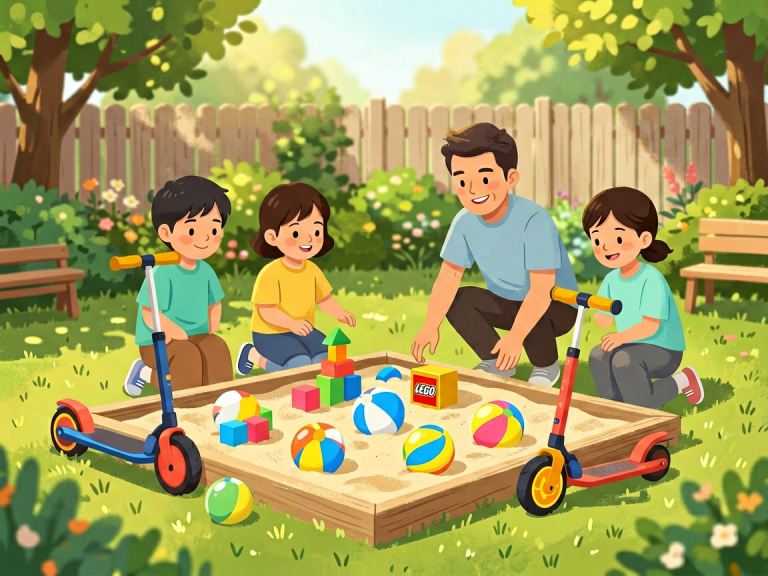
Older children can handle more complex toys, but supervision is still necessary. Chemistry sets, model kits, and tools should come with clear instructions and require adult assistance for hazardous steps. Ensure that any riding toys (skates, scooters, bikes) are used with properly fitted helmets and protective gear.
## Material Safety: Avoiding Toxic Substances
The materials used in toys can contain hidden dangers, such as lead, phthalates, bisphenol A (BPA), formaldehyde, and flame retardants. Young children are especially vulnerable because their developing bodies absorb toxins more readily and because they frequently mouth objects.
Plastics and PVC
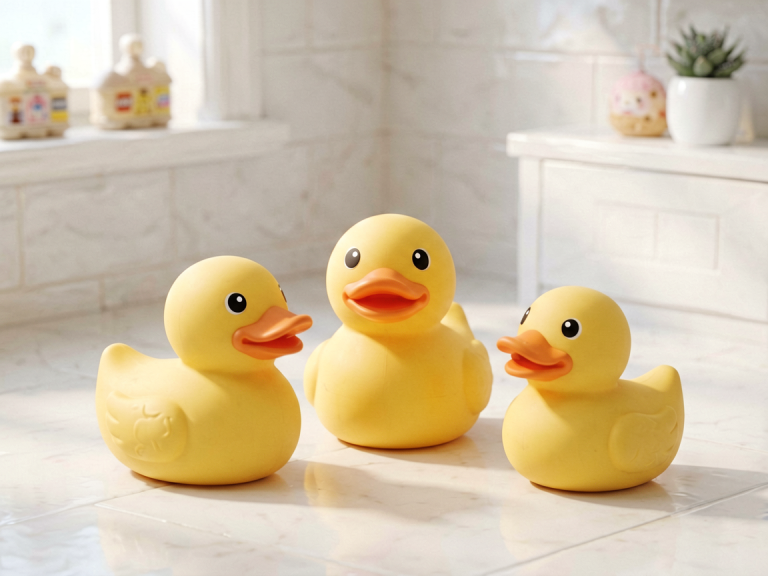
Many soft plastic toys, especially those made from polyvinyl chloride (PVC), are often softened with phthalates—endocrine-disrupting chemicals that can affect hormonal development. In the US, the CPSIA bans certain phthalates in children’s toys, but not all. To be safe, choose toys labeled “phthalate-free” or made from safer plastics like polyethylene (PE) or polypropylene (PP). For teething rings and bath toys, opt for 100% food-grade silicone, which does not contain BPA or phthalates.
Paints and Coatings
Lead was once commonly used in toy paints and is still found in some imported toys from countries with lax regulations. Avoid buying toys with peeling or chipped paint. If a toy is painted, ensure it has a lead-free certification. For older toys, especially vintage ones, consider using an XRF analyzer (available at some community labs) to test for lead. Similarly, check for heavy metals like cadmium and mercury in metal toys.
Wood and Natural Materials
Wooden toys are generally safer than plastic, but not all wood is equal. Look for toys made from sustainably harvested solid wood (e.g., beech, maple) with non-toxic, water-based finishes. Avoid composite woods like MDF (medium-density fiberboard) that can off-gas formaldehyde. For organic cotton or wool toys, verify that they are free from pesticide residues.
Batteries and Electronics
Button batteries (lithium coin cells) are extremely dangerous if swallowed; they can cause severe burns in as little as two hours because the current generates hydroxide in body fluids. Always check that electronic toys have battery compartments secured with a screwdriver-tightened screw. Dispose of used batteries immediately and store new ones out of reach.
## Mechanical Hazards: Choking, Sharp Edges, and Moving Parts
Even if a toy is made of non-toxic materials, mechanical flaws can turn it into a hazard.
Sharp Edges and Points
Run your fingers over the entire toy surface—edges, seams, and joints. For infants and toddlers, any sharp edge is unacceptable. For older children, judge based on the activity; for example, craft scissors should be blunt-tipped. Also check for pinch points in folding mechanisms, such as toy strollers or high chairs.
Choking Hazards
The choke tube test is indispensable. But also be aware that some toys contain small balls or marbles that, while passing the tube test, can still occlude a child’s airway if they are compressible enough. Avoid toys with small, round objects for children under the age of three. For younger children, look for one-piece construction or toys where small parts are permanently attached (e.g., eyes on plush toys should be embroidered, not glued).
Projectile Toys
Toys that shoot objects—darts, foam balls, rockets—can cause eye injuries or even internal damage if aimed at soft body parts. The CPSC recommends that projectile toys have projectiles with soft, flexible tips and that the velocity be limited. Never allow children to modify such toys (e.g., by using a stronger elastic band).
Entrapment and Strangulation
Toys with loops, cords, or openings can trap a child’s head or fingers. For example, small doll clothes with drawstrings, toy kitchen sets with gaps, or play tents with unsecured flaps. The safety standard for necklines on children’s clothing (no cords longer than 7 inches) also applies to toy accessories. Always check that the toy’s openings (e.g., between bars on a toy crib) are smaller than your child’s head.
## Electronic and Battery-Operated Toys: Additional Precautions
Electronic toys come with unique risks: overheating, electric shock, and noise-induced hearing loss.
- Overheating: Some cheap battery-operated toys may have insufficient heat dissipation. If a toy feels warm after use, discard it.
- Electric Shock: For toys that plug into an outlet (e.g., electronic learning stations), ensure they have a UL-listed power adapter and are used only with adult supervision. Never allow children to use chargers or adapters intended for other devices.
- Noise Levels: The CDC reports that many musical toys produce sounds above 85 decibels, which can damage hearing over time. Place the toy close to your ear; if it is uncomfortably loud for you, it is too loud for your child. Look for toys with volume controls or a maximum output of under 75 dB for infants.
- Battery Safety: As mentioned, button batteries must be inaccessible. For rechargeable toys, use only the manufacturer’s recommended charger to avoid swelling or fire.
## Tips for Purchasing and Maintaining Safe Toys
Finally, safety does not end at the checkout counter. Follow these practices to extend the life of safe play.
- Buy from Reputable Retailers: Avoid street vendors, dollar stores with unknown brands, and online sellers with no return policy. Stick to well-known brands that follow voluntary safety standards, like LEGO (which has a world-renowned safety testing system).
- Inspect New Toys Immediately: Check for loose threads, cracks, or flaking paint. If a toy arrives damaged, return it.
- Review Recalls: Sign up for CPSC recall alerts or use apps like “Recalls.gov.” Many injuries happen with older toys that have been recalled but remain in homes.
- Maintain and Repair: Regularly clean toys with mild soap and water (for non-porous materials). For wooden toys, reapply non-toxic finish if it wears off. Throw away broken toys—even a cracked plastic shell can have sharp edges.
- Educate Children: Teach older children not to put toys in their mouths, to share instead of throwing hard objects, and to report any broken parts.
Conclusion
Choosing safe toys is a multifaceted process that combines regulatory knowledge, developmental understanding, and practical vigilance. By prioritizing age-appropriate designs, non-toxic materials, and robust mechanical safety, you can significantly reduce the risk of injury. Remember that no toy is 100% risk-free, but with careful selection and attentive supervision, you can create an environment where children play, explore, and grow—safely. The time spent researching a toy is an investment in your child’s health, and it is one that yields endless smiles, laughter, and learning.
*(Word count: approximately 1,380 words)*