Wooden Toys vs Plastic Toys for Kids: A Comprehensive Comparison for Modern Parents
Introduction
The debate between wooden toys and plastic toys has been a persistent topic among parents, educators, and child development experts for decades. In an era where children are surrounded by flashing screens, electronic gizmos, and mass-produced plastic playthings, the humble wooden block or carved animal figurine might seem almost archaic. Yet, the appeal of natural materials endures. Both wooden and plastic toys offer distinct advantages and drawbacks, influencing not only a child's play experience but also their cognitive development, safety, health, and environmental footprint. As parents strive to make informed choices, understanding the nuanced differences between these two categories becomes essential. This article delves into the key aspects of wooden versus plastic toys, providing a balanced perspective to help caregivers select the best options for their children's growth and well-being.
Environmental Impact: Sustainability and Lifecycle
The Carbon Footprint of Production
Wooden toys are often lauded for their eco-friendly credentials. Sourced from renewable forests—especially those certified by organizations like the Forest Stewardship Council (FSC)—wood is a biodegradable material that requires less energy to process compared to plastics. The manufacturing of wooden toys typically involves cutting, sanding, and painting with non-toxic finishes, a process that emits fewer greenhouse gases and generates less chemical waste. In contrast, plastic toys are derived from petroleum or natural gas, non-renewable fossil fuels. The extraction, refining, and polymerization of these resources are energy-intensive, contributing significantly to carbon emissions. Furthermore, many plastic toys contain additives such as phthalates, bisphenols, and flame retardants—substances that can leach out during production or disposal, posing risks to ecosystems.
End-of-Life Considerations
One of the strongest arguments for wooden toys is their biodegradability. A discarded wooden block, if untreated with synthetic varnishes, will eventually decompose in a landfill, returning carbon to the soil. Plastic toys, however, persist for hundreds of years. They break down into microplastics that contaminate oceans, soil, and even the human food chain. Recycling plastic toys is challenging due to the variety of polymers used and the presence of mixed materials (screws, batteries, fabrics). Most end up in landfills or incinerators. On the upside, high-quality plastic toys like LEGO bricks are designed for durability and can be passed down through generations, mitigating some waste issues. But the overall environmental advantage clearly tilts toward wooden toys, especially when they are locally produced and finished with natural oils or wax.
Safety and Health: What Goes into a Child's Mouth
Chemical Risks
Young children explore the world through their mouths. Plastic toys, especially cheap, unregulated imports, may contain hazardous chemicals. Bisphenol A (BPA), phthalates, and lead have been detected in some plastic playthings, linked to hormonal disruptions, developmental delays, and even cancer. In the United States and Europe, strict regulations limit these substances, but enforcement gaps remain. Wooden toys, by contrast, are inherently safer if made from solid wood and finished with child-safe, water-based paints or natural linseed oil. However, not all wooden toys are flawless—some cheap versions use plywood or particleboard held together with formaldehyde-based glues, which can off-gas volatile organic compounds (VOCs). The key is to choose solid wood toys from reputable brands that certify non-toxic finishes.
Physical Hazards
Plastic toys are often lighter and less likely to cause injury if thrown or dropped. They can be molded into smooth shapes with no sharp edges. Wood, being heavier, poses a greater risk of bruising or breaking household items. Splinters are a concern with unfinished or poorly sanded wooden toys. Yet, high-quality wooden toys are meticulously sanded and sealed, eliminating splinter risks. Wood also does not shatter like brittle plastic; a dropped wooden car might crack but usually remains in one piece without sharp fragments. Additionally, plastic toys may have small parts that detach easily—a choking hazard particularly for toddlers. Wooden toys often feature simpler designs with fewer detachable components, though some have painted details that can chip off if not properly coated.
Developmental and Educational Benefits
Sensory Stimulation and Fine Motor Skills
Wooden toys offer a rich sensory experience. The natural grain, subtle variations in color, and unique weight of each piece engage a child’s tactile senses in ways that uniform plastic cannot replicate. The slight friction of wood as blocks stack, the satisfying clack when they knock together, and the warmth of the material all contribute to a more grounded, calming play experience. Plastic toys, on the other hand, are often cold, uniform, and sometimes glossy or sticky. They can be molded into incredibly detailed shapes, which appeals to visual learners but may overwhelm some children with excessive stimuli.
In terms of fine motor development, both types have merits. Wooden building blocks require precise alignment and balance, fostering spatial reasoning and hand-eye coordination. Plastic construction sets like LEGO offer snap-together mechanics that develop finger strength and problem-solving skills. However, plastic toys that rely on batteries—such as talking dolls or light-up cars—can reduce the child’s active role in play. They become passive consumers of entertainment rather than active creators of stories. Wooden toys, being simpler, encourage imaginative play: a wooden train can become a spaceship, a bridge, or a dinosaur; its absence of predetermined functions forces the child to assign meaning.
Creativity, Open-Ended Play, and Screen Dependency
One of the most profound differences lies in the degree of open-endedness. The best wooden toys—blocks, arches, planks, peg dolls—are classics precisely because they offer unlimited possibilities. A set of wooden planks can be used to build a tower, a road, a castle, or a maze. Plastic toys, particularly licensed merchandise tied to movies or TV shows, often come with a fixed narrative. A plastic Elsa doll from “Frozen” is expected to sing and dance in a certain way; a plastic superhero figure is meant to fly and fight. While children can still improvise, the overt branding and pre-scripted features can restrict creative divergence.
Moreover, the trend toward "smart" plastic toys that connect to apps or produce electronic sounds has been linked to decreased attention spans and increased screen dependency. Wooden toys, devoid of batteries and screens, naturally promote offline, hands-on play that is crucial for developing concentration, patience, and problem-solving without instant gratification. Multiple studies suggest that children who play with open-ended, non-electronic toys engage in richer language and social interactions during play.
Durability and Cost: Long-term Value
Quality and Lifespan
A well-made wooden toy can last for decades, surviving rambunctious play and even being passed down to siblings or future generations. The material is robust; unless subjected to extreme force, wooden toys rarely break. They may get scratched or dented, but these marks often add character rather than rendering the toy unusable. Plastic toys, while also durable in some cases (e.g., LEGO), are more prone to cracking, fading, and losing small parts. Electronic plastic toys are especially vulnerable—batteries corrode, wires break, and moving parts jam. The average lifespan of a plastic toy is shorter, leading to more frequent replacements and higher cumulative costs.
Initial Price vs. Total Cost of Ownership
Wooden toys typically have a higher upfront price tag. Handcrafted pieces from small workshops can be quite expensive, and even mass-produced wooden puzzles cost more than their plastic counterparts. For budget-conscious families, plastic toys are undeniably more accessible. A plastic train set might cost $20, whereas a comparable wooden set could be $50–$80. However, considering longevity and resale value, wooden toys often prove more economical. Thrift stores and online marketplaces are filled with well-preserved wooden toys that sell for a fraction of their retail price, while used plastic toys—especially those with missing parts or worn electronics—are harder to pass on. Over a child’s early years, investing in a curated collection of high-quality wooden toys may actually save money compared to repeatedly purchasing cheap plastic toys that break or lose appeal quickly.
Aesthetic and Emotional Connection
Design and Cultural Value
Wooden toys possess a timeless aesthetic that many parents find appealing. Their natural hues and minimalist forms blend seamlessly into a home environment, making them suitable for Montessori-style or Waldorf educational philosophies. These toys often look beautiful on a shelf, inviting rather than overwhelming. Plastic toys, by contrast, can be garish—brightly colored with cartoon logos—which some parents feel clutter the living space and overstimulate children. Yet, there is a market for stylish plastic toys in muted pastels or modernist shapes, so design is not exclusively a wooden attribute. Still, the tactile warmth of wood fosters a sense of connection to nature that plastic cannot provide.
For many adults, wooden toys evoke nostalgia for a simpler time, which may influence purchasing decisions. This emotional resonance is powerful but should not override objective assessment of a toy’s developmental suitability. Ultimately, a child’s emotional attachment to a toy depends less on the material and more on the play value and the memories created.
Practical Considerations for Parents
Cleaning and Hygiene
Plastic toys win handily in the hygiene department. They can be wiped down with disinfectant wipes, tossed into a dishwasher (if labeled safe), or submerged in soapy water without damage. Wood, being porous, absorbs moisture and can warp, crack, or develop mold if soaked. Cleaning wooden toys requires a gentle approach: a damp cloth with mild soap, followed by immediate drying. This makes plastic toys more practical for daycare settings, teething babies who drool excessively, or families wanting to minimize germs during illness seasons.
Weight, Portability, and Noise
Wooden toys are heavier, which can be a disadvantage for small children carrying them around or for parents packing a travel bag. Plastic toys are lighter, making them ideal for car trips or airplane entertainment. Noise is another factor: plastic toys, especially those with electronic sounds, can be loud and annoying, while wooden toys generally produce softer, more natural noises—the rattle of a wooden maraca, the thud of a block. Some parents prefer quiet play, but others find the gentle sounds of wood soothing.
Conclusion: Striking a Balance
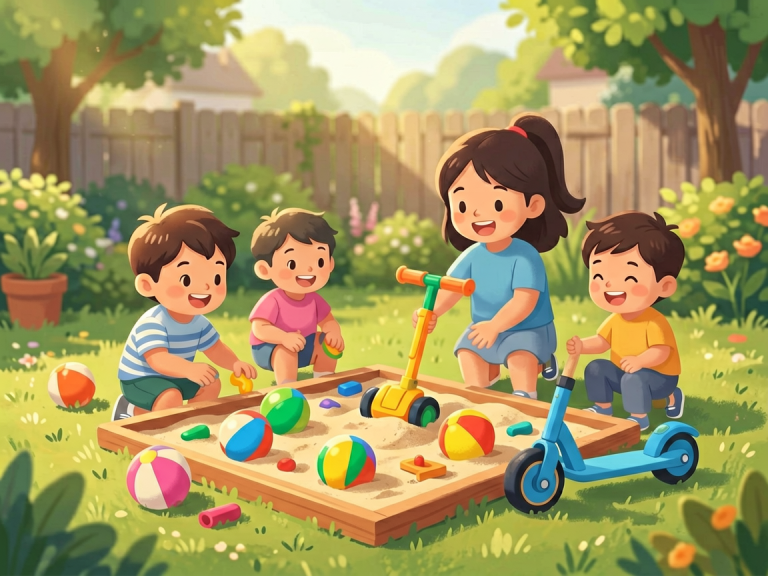
There is no universal winner in the wooden versus plastic toys debate. The optimal choice depends on a child’s age, temperament, developmental stage, and the family’s values. For infants and toddlers who mouth everything, high-quality wooden toys that are free of harmful chemicals and have no small parts are an excellent choice, especially if used under supervision. For preschoolers who benefit from fine motor practice with snap-together constructions, plastic LEGO or Duplo blocks offer unparalleled versatility. For outdoor play in sand, water, or mud, plastic pails, shovels, and vehicles are more practical due to their waterproof nature.
Parents need not feel pressured to exclusively choose one material. A balanced toy box—stocked with a mix of wooden blocks, plastic building sets, natural fabric dolls, and a few battery-operated toys for special occasions—provides a rich variety of experiences. The key is to prioritize open-ended, durable, and safe toys regardless of material, while being mindful of environmental impact. In the end, the best toy is one that sparks a child’s imagination, encourages active participation, and fosters joy. Whether it is made of wood or plastic, what matters most is the child’s engagement and the adult’s presence during play.