The Ultimate Buying Guide to Toys That Last: Quality, Sustainability, and Joy for Years
Introduction
Every parent knows the familiar scene: a shiny, plastic toy that seems irresistible at the store, only to be discarded within a week with a broken wheel, a missing battery cover, or a faded sticker. The cycle of buying, breaking, and replacing not only drains the wallet but also contributes to a staggering amount of waste. According to the United Nations Environment Programme, the toy industry produces roughly 40 million tons of plastic waste annually, most of which ends up in landfills or oceans. Yet, toys are essential for childhood development—they spark imagination, build skills, and create cherished memories. So how do we strike a balance between delight and durability?
This buying guide is for parents, grandparents, educators, and gift-givers who want to invest in toys that truly last—not just in terms of physical sturdiness, but also in play value over time. We will explore the materials, design principles, manufacturing ethics, and maintenance strategies that separate fleeting fads from heirloom-quality playthings. By the end, you will have a clear framework for choosing toys that survive sibling battles, outdoor adventures, and the relentless test of time, all while minimizing your environmental footprint and maximizing your child’s joy.
—
Why Durability Matters: More Than Just Saving Money
The Economics of Cheap Toys
At first glance, a $5 plastic action figure seems like a bargain compared to a $30 wooden train set. However, if the action figure breaks after a month and must be replaced three times in a year, the total cost quickly exceeds $15—and you still end up with a flimsy toy. In contrast, a well-made wooden train set can last for decades, survive multiple children, and even be passed down to grandchildren. The true cost of a toy is not its purchase price but its cost per hour of play. Durable toys, despite a higher upfront investment, consistently deliver a lower cost per hour over their lifespan.
Environmental and Ethical Considerations
Beyond personal finance, choosing toys that last is a powerful act of environmental stewardship. The toy industry is one of the most plastic-intensive sectors, and many cheap toys contain toxic chemicals like phthalates, lead, and BPA. When these toys break and are discarded, they leach harmful substances into the soil and water. Conversely, high-quality toys are often made from sustainable materials (solid wood, organic cotton, recycled metals) and are designed for repairability. Many durable toy brands also prioritize fair labor practices and safe manufacturing conditions, so your purchase supports human dignity as well as planetary health.
Developmental Benefits for Children
Children thrive on consistency and mastery. A toy that breaks easily can frustrate a toddler who is just learning cause and effect, while a sturdy toy that withstands rough handling gives a child the confidence to explore freely. Moreover, toys that last often have “open-ended” play potential—they can be used in countless ways as the child grows, from stacking and sorting to storytelling and complex construction. This longevity of play value nurtures creativity, problem-solving, and sustained attention far better than a battery-operated gadget that only does one thing.
—
Key Materials for Long-Lasting Toys
Solid Wood: The Gold Standard
Solid wood—not particleboard or MDF—is arguably the most durable natural material for toys. Hardwoods like beech, maple, oak, and birch are dense, resistant to splintering, and capable of withstanding years of chewing, throwing, and climbing. Look for toys finished with non-toxic, water-based paints or natural oils (like linseed or beeswax) that seal the wood without chipping. Brands such as PlanToys, Melissa & Doug (select lines), and Grimm’s are known for their solid wood construction. Avoid “wood” toys that are actually plywood with a thin veneer—these delaminate and break easily.
Metal: Resilience with a Classic Vibe
Metal toys, especially those made from stainless steel or powder-coated steel, offer incredible strength. Think of classic toy cars, trains, and construction sets from Bruder or Siku. Metal is resistant to cracking, warping, and impact damage, though it can rust if exposed to moisture without proper coating. For outdoor toys like wagons or tricycles, look for rust-resistant alloys. Metal toys also have a satisfying weight and feel that many children prefer over plastic.
High-Quality Plastics: Not All Plastic Is Bad
While single-use plastic is problematic, some plastics are engineered for longevity. Polypropylene (PP) and high-density polyethylene (HDPE) are impact-resistant, flexible, and non-toxic. Toys from LEGO (ABS plastic) are famous for their durability—bricks made fifty years ago still interlock perfectly with new ones. Similarly, Duplo blocks and Magna-Tiles (made from ABS and polycarbonate) can survive generations. When buying plastic toys, avoid cheap PVC (often labeled with recycling code #3), which contains plasticizers that leach over time. Stick to #2 (HDPE), #4 (LDPE), or #5 (PP) whenever possible.
Organic Textiles and Natural Rubbers
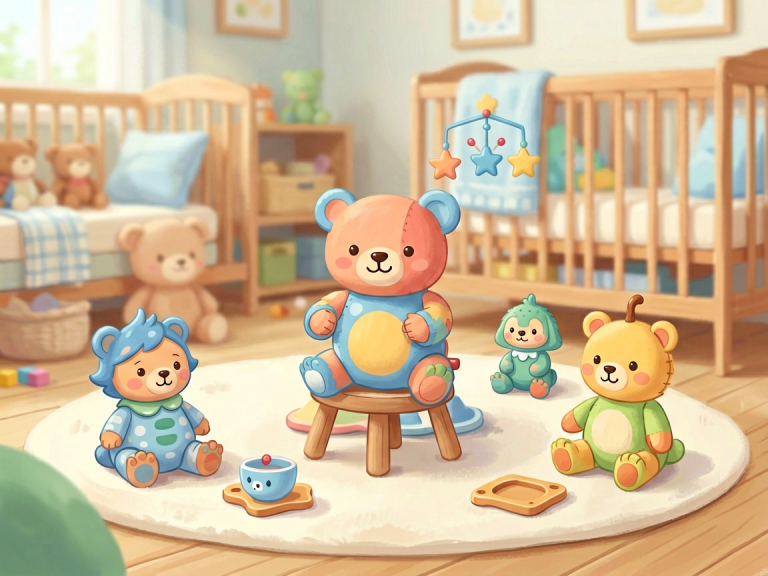
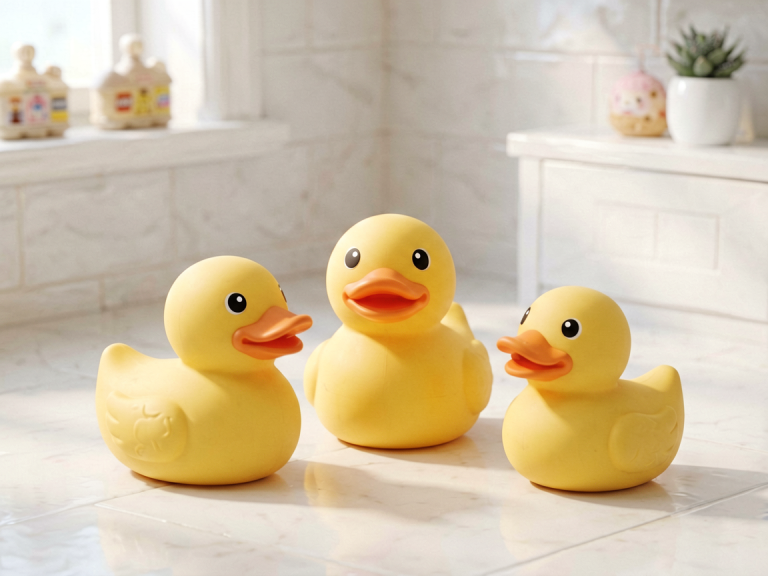
For soft toys, plushies, and dolls, the fabric and filling matter enormously. Organic cotton, wool, and hemp are naturally durable, biodegradable, and free of synthetic dyes. Look for double-stitched seams and reinforced stress points. Natural rubber (from rubber trees) is excellent for teething toys and balls—it’s resilient, non-toxic, and far more durable than synthetic foam. Brands like Hape and Under the Nile offer high-quality textile toys that withstand frequent washing and rough handling.
—
Design Principles That Stand the Test of Time
Open-Ended Play: The Gift of Imagination
Toys that last are not just physically durable; they are also mentally durable. A toy that dictates a single function (e.g., a remote-control car that only goes forward and backward) will bore a child quickly. In contrast, open-ended toys—like building blocks, loose parts, dollhouses, and art supplies—adapt to a child’s evolving imagination. A set of plain wooden blocks can become a castle, a rocket ship, a bridge, or a counting game. This versatility means the toy remains engaging for years, not weeks. When shopping, ask: “Can this be used in more than one way? Will a three-year-old and a ten-year-old both find something different in it?”
Simple Mechanisms and Fewer Batteries
A cardinal rule of durability: the fewer moving parts, the fewer failures. Battery-operated toys with lights, sounds, and motors are notorious for breaking—battery contacts corrode, wires snap, and speakers burn out. Moreover, they stifle creativity: a singing toy teaches the child to press a button, not to invent a song. Manual, mechanical toys (wind-up, pulley, lever-based) are far more reliable and teach basic physics. Even better are completely passive toys like dolls, cars, or puzzles that rely solely on the child’s energy.
Repairability and Modular Design
The most sustainable toys are designed to be fixed. Look for toys with replaceable parts—for example, wooden train tracks that use standardized connectors, or dolls with removable clothing and accessible battery compartments. Some premium brands, like Lauri or Tegu, offer repair kits for their magnetic wooden blocks. A toy that can be disassembled and reassembled not only extends its life but also becomes a learning experience in itself.
—
Top Brands Committed to Quality and Longevity
To save you time, here is a curated list of brands that consistently deliver on durability, safety, and play value:
- LEGO – The gold standard for interlocking plastic bricks. Pieces are made to exacting tolerances and are backed by a legendary lifetime warranty (though it’s rarely needed).
- PlanToys – Thai company using sustainable rubberwood and non-toxic glues. Their toys are often praised for both durability and aesthetic beauty.
- Bruder – German manufacturer of scale-model vehicles (trucks, tractors, fire engines) made from impact-resistant plastic and metal. Intended for rough outdoor play.
- Grimm’s Spiel & Holz – Handcrafted wooden toys from Germany, including the famous rainbow stackers. Finished with water-based stains that hold up over years.
- Magna-Tiles – Sturdy magnetic building tiles that have become a staple in classrooms and homes. The polycarbonate sheets resist cracking even when dropped.
- Hape – Large range of wooden toys, puzzles, and playsets. Known for rigorous safety testing and robust construction.
- Tegu – Magnetic wooden blocks that are beautifully crafted and incredibly strong. They use a proprietary magnetic locking system that rarely fails.
- Lakeshore Learning – While primarily an educational supplier, their toys (especially classroom-quality puzzles and manipulatives) are built to withstand daily abuse.
These brands often cost more upfront, but their resale value is high—you can frequently sell used LEGO or Magna-Tiles for 70% of their original price.
—
How to Evaluate Toy Durability Before Buying
The Physical Inspection Checklist
When you are in a store or browsing online, assess these five factors:
- Weight and Density – A lightweight, hollow-feeling toy is usually made from thin plastic that will crack. Heftier toys suggest solid material.
- Seams and Joints – Look for welded or riveted joints on metal toys; avoid glued joints. On fabric toys, check for double stitching and reinforced corners.
- Edges and Corners – Poorly finished edges can splinter or chip. Run your finger along the perimeter—it should feel smooth.
- Paint and Finish – Painted toys should have a clear, hard coating that resists scratching. Friction test: rub the surface with a damp cloth; if color transfers, the paint is low-quality.
- Battery Compartments – If a toy requires batteries, the compartment should have a screw-secured lid (not a flimsy snap), and the wiring should be neatly enclosed.
Read Reviews Strategically
Do not just look at star ratings. Search for specific phrases in reviews: “still intact after two years,” “survived the washing machine,” “my child chewed on it and it held up,” “replaced batteries once and still works.” Pay attention to negative reviews that mention breakage—if multiple reviewers report the same failure point (e.g., “the wheel snapped off”), avoid that product.
Consider the Child’s Age and Play Style
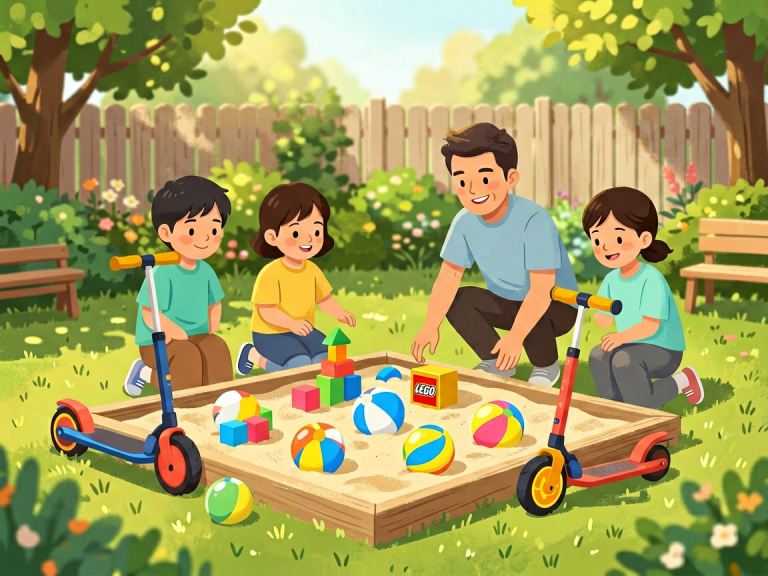
A toy that lasts for a calm five-year-old may not survive a rambunctious two-year-old. For toddlers, prioritize toys that are virtually indestructible—thick wooden blocks, silicone teethers, heavy-duty plastic cars. For older children, durability shifts toward resistance to bending and dropping. Also consider the play environment: toys used outdoors (sand, mud, water) need to be waterproof, rustproof, and easy to clean.
—
Caring for Toys to Extend Their Life
Even the most robust toys require maintenance. Implement these simple practices to double their lifespan:
- Clean Regularly – For wood toys, wipe with a slightly damp cloth and mild soap, then dry immediately. Never soak them. For plastic, use a vinegar-water solution. Fabric toys should be machine washed on a gentle cycle and air dried.
- Store Properly – Avoid direct sunlight (UV rays fade colors and weaken plastics) and extreme temperatures. Keep toys in bins or on low shelves where they aren’t stepped on.
- Rotate Toys – Children play more intensively with fewer toys. Rotating a set of toys every few weeks prevents overuse and gives each toy a break.
- Repair Promptly – A loose screw or a small tear will worsen if ignored. Keep a basic toolkit (super glue, small screwdriver, needle and thread) and fix issues the moment they appear. Many brands offer replacement parts—contact customer service.
- Teach Respect – Model careful handling. Show toddlers how to clean up after play and avoid throwing toys. Older children can learn basic repair skills.
—
Conclusion: Invest in Joy That Endures
Choosing toys that last is not about depriving children of novelty—it is about enriching their lives with objects that grow with them, survive their adventures, and become part of their story. It is also a commitment to a more sustainable world, one less plastic wrapper at a time. The upfront cost may be higher, but the dividends are immense: fewer replacements, less waste, deeper play, and the quiet satisfaction of watching a well-loved toy pass from one child to the next.
Before you make your next purchase, pause and ask: *Will this toy still be here, whole and loved, in five years?* If the answer is yes, you have found a keeper. If not, keep looking. Your child—and the planet—will thank you.