Beyond the Plastic Crumble: The Enduring Value of Toys That Last for Kids
Introduction: The Disposable Playroom
Walk into any modern toy store, and you are greeted by aisles of brightly colored plastic, blinking lights, and ephemeral themes tied to the latest movie franchise. Many of these toys are designed with a built-in expiration date—they break, bore, or become obsolete within weeks. Yet a quiet counter-movement is gaining momentum among parents, educators, and child development experts: a return to toys that last for kids. These aren’t merely durable objects; they are companions of childhood that grow with the child, sparking creativity, resilience, and emotional attachment across years. What makes a toy last—not just physically, but meaningfully? This article explores the anatomy of enduring playthings, their profound impact on development, and how choosing wisely can transform a child’s world.
1. Material Integrity: The Foundation of Longevity
The first and most obvious requirement for a long-lasting toy is superior material quality. Toys that last for kids are rarely made from the thin, brittle plastics that snap under pressure. Instead, they are crafted from solid wood, heavy-gauge metal, high-density fabrics, or thick silicone. Wood, for example, ages beautifully: dents and scratches become character marks rather than catastrophic failures. A classic wooden train set from a brand like Brio or Melissa & Doug can survive generations of enthusiastic play, its parts fitting together as snugly on the tenth child’s birthday as on the first. Metal trucks from the 1950s, like those made by Tonka, are legendary for surviving being run over by actual cars. Their heft and lack of sharp edges mean they can withstand the full force of a toddler’s curiosity. Meanwhile, modern toys like silicone stacking rings or rubberwood puzzles resist wear without leaching harmful chemicals. Materials matter not only for safety and durability but also for the sensory experience they provide—the warm grain of wood, the cool solidity of metal, the soft pliability of natural rubber. These tactile qualities engage a child’s senses in ways that cheap plastic cannot replicate, encouraging deeper, more sustained engagement.
2. Open-Ended Play: The Secret to Emotional Longevity
A toy that physically endures but offers only one function will quickly lose its appeal. The true secret to a toy that lasts for kids lies in its open-endedness—the ability to be used in countless ways, limited only by imagination. Consider a simple set of wooden blocks. A one-year-old may stack them and knock them down; a three-year-old builds towers and castles; a five-year-old creates elaborate cities with rules; an eight-year-old might use them as props for a stop-motion animation. The same blocks support sensory, motor, cognitive, and social play across developmental stages. Similarly, a dollhouse, a set of magnetic tiles, or a box of LEGO bricks (the basic sets, not the hyper-specific licensed kits) are timeless because they are canvases, not scripts. In contrast, a battery-operated toy that sings a single song or makes a single motion becomes a "one-trick pony" that the child masters in minutes and then ignores. Open-ended toys evolve with the child’s interests, allowing for what psychologists call "replay value"—the capacity to revisit and reimagine the same object in new contexts. This kind of play fosters problem-solving, narrative thinking, and emotional regulation, as children project their inner worlds onto the toy.
3. Design for Repair: The Forgotten Virtue
In a throwaway culture, the ability to repair a toy is revolutionary. Toys that last for kids are often designed with repairability in mind. Classic wooden toys use screws, dowels, and non-toxic glue that can be re-applied. A broken wheel on a wooden train can be replaced with a spare part ordered from the manufacturer. Stuffed animals with firm seams can be re-stitched by a parent, and their bean-bag innards refreshed. The German company Ravensburger, for example, offers spare parts for its puzzles and games for decades after release. Compare this to a plastic electronic toy whose battery compartment fuses shut or whose wire breaks internally—there is no repair, only landfill. Teaching children to repair a beloved toy alongside a parent is itself a profound lesson: that objects have value beyond their initial thrill, that care and craftsmanship matter, and that discarding is a last resort. Some progressive companies are now selling "mend kits" for toys, or designing toys with visible fasteners rather than sealed plastic casings, signaling a shift toward maintenance rather than disposal.
4. Timeless Aesthetics: Why Style Matters
A toy that lasts for kids must also please the eye across changing fads. Aesthetic choices rooted in classic design—clean lines, balanced proportions, natural colors—resist the tyranny of trend. Consider the simple beauty of a Waldorf doll, with its soft, expressionless face and natural fiber dress. It doesn’t scream "from 2024" or "from 1980"; it exists in a timeless space that allows a child to project any emotion onto it. Similarly, the bold primary colors and geometric forms of a wooden shape sorter are as appealing today as they were fifty years ago. By contrast, toys plastered with the faces of current cartoon characters or loud product tie-ins become dated the moment the show ends or the new movie premieres. A child may outgrow the character long before they outgrow the toy, causing the object to lose its emotional resonance. Toys that last are visually neutral enough to be reinterpreted across generations. A grandmother’s wooden dollhouse may look "vintage" to the child, but that vintage quality adds charm rather than obsolescence. The child can populate it with her own modern accessories or even make felt furniture, blending old and new.
5. Social and Emotional Battery: Toys That Foster Connection
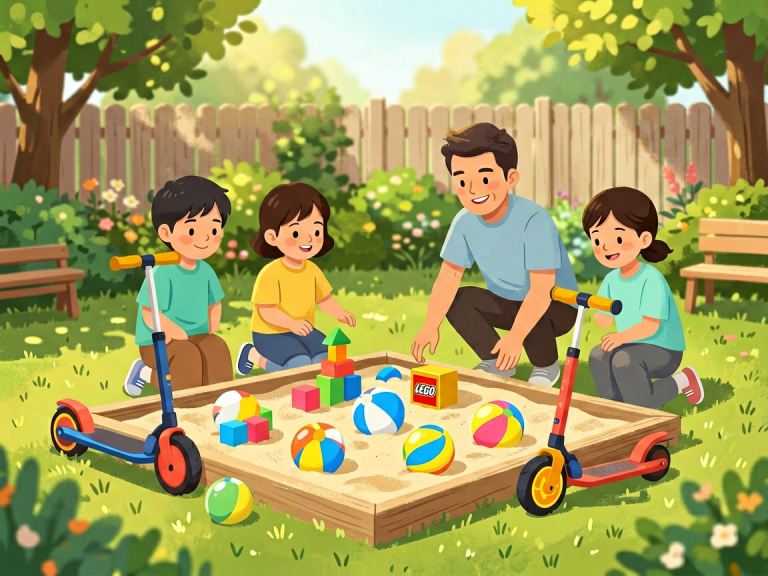
Paradoxically, the most enduring toys are often those that encourage social interaction rather than solitary electronic stimulation. A set of sturdy wooden dominoes, a classic card deck, a marble run, or a simple ball—these objects have no screens, no speakers, no algorithms. They require human presence. A toy that lasts for kids often becomes a family heirloom precisely because it facilitated memories of togetherness: the grandfather who taught you to build with Lincoln Logs, the mother who played checkers by the fire, the sibling you raced with finger skateboards. These social bonds are encoded into the physical object. Years later, the sight or touch of the toy evokes warmth. Moreover, such toys teach turn-taking, negotiation, empathy, and collaborative problem-solving. In an age where children’s play is increasingly isolated behind tablets, the social-toy advocate provides a vital counterbalance. The toy’s longevity is not just in its material—it’s in the relationships it sustains.
6. Environmental Stewardship: A Lesson for Life
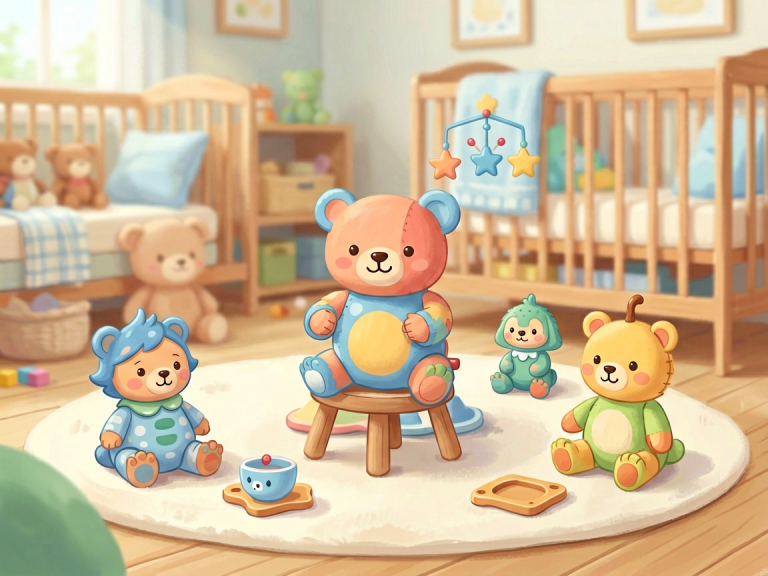
Finally, choosing toys that last for kids is an ecological act. The toy industry is a massive contributor to plastic pollution, with millions of tons of discarded playthings ending up in landfills each year. By investing in a few high-quality, repairable, multi-use toys, a family significantly reduces its environmental footprint. More importantly, it models sustainable values for the child. When a child watches a parent repair a wooden wagon rather than toss it, or when they pass down their beloved blocks to a younger cousin, they internalize a mindset of care and resourcefulness. This is not about deprivation—it is about abundance of quality over quantity. A child with thirty cheap toys often plays with none; a child with five enduring ones plays with all. The lasting toy becomes a teacher of conservation, patience, and intentionality.
Conclusion: The Heirloom Philosophy
In a world that races toward the next new thing, the toys that last for kids stand as quiet rebels. They are made of real materials, designed for infinite play, built to be fixed, styled for timelessness, created for connection, and chosen with the planet in mind. When we give a child a toy that lasts, we give more than a plaything—we give a companion for their imagination, a memory for their future, and a principle for their life. The best toys are not those that entertain for a day, but those that grow with the child and outlast childhood itself, passing from hands to hands like a whispered promise: *You are worth the best I can give.*