The Best Toys Under $50 That Kids Actually Use: A Parents Guide to Long-Lasting Play
—
Introduction
Every parent knows the scene: a birthday or holiday comes and goes, leaving behind a pile of shiny new toys. Within a week, half of them are abandoned in a corner, while the other half are played with for exactly five minutes before the child returns to an empty cardboard box or a set of old wooden blocks. The problem isn’t that children are fickle; it’s that many toys fail to engage them in meaningful, open-ended ways. Worse, expensive toys often come with expectations of high-tech features or complex instructions that actually *limit* creativity.
This article is for parents, grandparents, and gift-givers who want to spend wisely. The goal is to highlight toys under $50 that children genuinely *use*—not just unwrap. These are toys that spark imagination, encourage active play, and survive the test of time (and toddler temper tantrums). Based on observations from early childhood educators, parenting forums, and good old-fashioned trial and error, here are the categories and specific recommendations that deliver the most play value per dollar.
—
Why Some Toys Collect Dust While Others Become Favorites
Before diving into specific recommendations, it helps to understand the secret sauce of a “high-use” toy. Research in child development consistently points to two key features: open-endedness and interactivity. Open-ended toys—like blocks, art supplies, and simple figures—have no single “right” way to play. They adapt to a child’s changing interests, allowing for infinite scenarios. Interactive toys that involve physical movement, problem-solving, or social cooperation also stay fresh longer.
In contrast, battery-operated, single-purpose toys (think electronic singing animals or plastic “play sets” with rigid storylines) often lose their appeal after the initial novelty wears off. They do things *to* the child rather than inviting the child to do something. Under $50, the sweet spot lies in simple, durable materials that let kids take the lead.
—
Classic Building Toys: Open-Ended Creativity
No list of lasting toys would be complete without building sets. And the good news is that some of the best options cost well under $50.
*LEGO Classic Bricks* (around $25–$40) remain a gold standard. Unlike themed sets that build a specific spaceship or castle, the Classic series provides a bucket of basic bricks, wheels, and doorways. Children can build a house one day, a dinosaur the next, and a rocket ship the day after. The only limit is their imagination. Parents love that LEGO bricks survive years of abuse and can be combined with older siblings’ collections.
For younger toddlers (ages 1–3), *Mega Bloks or DUPLO* (under $30) offer larger, safer pieces that develop fine motor skills. Many parents report that their children spend hours stacking, knocking down, and re-stacking—a simple pattern that builds cognitive foundations.
Another rising star is *Magnetic Tiles* like Magna-Tiles or PicassoTiles (a starter set of 40–60 pieces costs about $30–$45). These translucent, magnetic shapes click together effortlessly, allowing kids to build 3D structures, castles, or even simple geometric shapes. The satisfying “snap” and the ability to create translucent colorful windows make them endlessly fascinating. According to many parenting blogs, magnetic tiles are one of the few toys that consistently get pulled out during quiet playtime, even by older elementary-school children.
—
Imaginative Role-Play: Dress-Up and Pretend Play
Children naturally slip into imaginary worlds—they become doctors, chefs, superheroes, or explorers. Toys that support this type of play are among the most “used” because they tap into a child’s innate drive to make sense of the world through pretend.
A simple *dress-up trunk* can be assembled for under $40. Instead of buying expensive, licensed costumes (which are often scratchy and worn once), opt for a mix of basic items: a firefighter hat, a stethoscope, a chef’s apron, a cape made of satin, and some colorful scarves. These items can be mixed and matched to create endless characters. Thrift stores are a goldmine for this.
*Play kitchens and tool sets* also score high. A basic wooden play kitchen can cost over $100, but a *fabric or plastic kitchen center* (like the KidKraft Retro Kitchen at around $40–$50) or even just a set of plastic pots, pans, and play food (under $20) provides hours of pretend cooking. Many children will serve you imaginary soup, chop wooden vegetables, and “wash” dishes with great seriousness.
For kids who love action, a *doctor’s kit* (under $15) or *construction worker set* (with a hard hat, toy hammer, and screwdriver for $20–$30) encourages social play. These toys are used again and again, especially when a sibling or parent joins in the role-play.
—
Outdoor and Active Toys: Get Them Moving
In an age of screens, toys that get kids moving are essential. Under $50, there are plenty of options that children actually choose over a tablet.
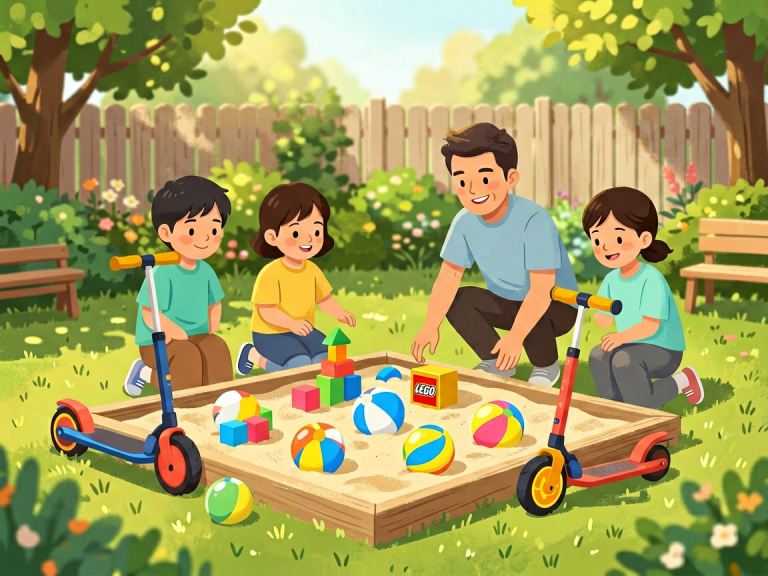
*Scooters*: A basic kick scooter (like the Razor A or Micro Mini) costs between $30 and $50. Once a child learns to balance and steer, a scooter becomes a daily vehicle for neighborhood adventures. Many parents report that their kids use scooters for months, even years, until they outgrow them.
*Balls and sports equipment*: A simple basketball, soccer ball, or football ($10–$20) might seem too basic, but children gravitate toward them instinctively. Add a plastic hoop or a collapsible goal net (under $40 for a set), and you have hours of active play. Similarly, a *flying disc* or a *badminton set* (under $20) invites friends and family to join.
*Water and sand toys*: For warm weather, a set of sand molds, buckets, shovels, and water squirters (under $15) can keep a toddler or preschooler occupied for an entire afternoon at the beach or backyard sandbox. The open-ended nature of sand and water play—digging, pouring, building castles—is scientifically proven to support sensory development and problem-solving.
*Jump ropes and hula hoops*: These classic toys cost under $10 and are often forgotten in the rush to buy flashier items. Yet children adore jumping rope, making up rhymes, and competing to see who can hula the longest. They require no batteries, no screens, and no adult assembly.
—
Art and Craft Supplies: The Gift of Creation
Few toys are used as consistently as art supplies. A child who loves drawing or painting will spend hours each week creating, and the materials run out only to be replenished. Under $50, you can stock a mini art studio that children will actually use—not just display.
*Crayons, markers, and paper*: A set of high-quality colored pencils or watercolor markers (like Crayola’s 24-count, around $5–$10) combined with a sketchbook or a roll of butcher paper ($10) is a no-brainer. Add a pack of *Play-Doh* (the 8-pack is about $12) and you have a sensory, sculpting experience that children never tire of. Play-Doh is one of the most “used” toys in the $50-and-under category because it can be squished, shaped, and reused over and over if stored properly.
For older kids, *craft kits* can be a hit. A *friendship bracelet loom* (like the Rainbow Loom, under $15) kept kids engaged for hours a few years ago, and similar kits for making slime, polymer clay charms, or origami (each under $20) continue to captivate. The key is that these kits produce a tangible result—a bracelet, a slime blob, a paper crane—giving children a sense of accomplishment.
*Washable paint sets* with brushes and a reusable paint palette (under $20) are also excellent. Many parents report that children will paint the same piece of paper five times over, layering colors and discovering mixing effects.
—
Board Games and Puzzles: Family Fun Under $50
Board games and puzzles are unique because they are “used” not just by children but by the whole family. The best ones under $50 create shared experiences and laughter.
For ages 3–5, *The Sneaky Snacky Squirrel Game* ($18) and *Hi Ho! Cherry-O* ($12) teach counting and turn-taking in a way that feels like play. For school-age kids, *Uno* ($10), *Spot It!* ($12), and *Catan Junior* ($35) are proven crowd-pleasers. Many families play these games weekly, and they hold up to repeated use.
*Floor puzzles* (like the Melissa & Doug 48-piece dinosaur puzzle, about $15) are perfect for preschoolers. Doing a puzzle together builds patience, spatial reasoning, and teamwork. Unlike video games, these puzzles are often revisited many times—children enjoy the satisfaction of completing the same image again.
For older kids, a *Rubik’s Cube* ($10) or a *wooden marble run* ($25–$40) offers hours of quiet, focused play. The marble run, in particular, can be reconfigured hundreds of ways, teaching cause and effect.
—
Tips for Choosing Toys That Get Used
To wrap up, here are four actionable tips for parents shopping under $50:
- Avoid over-specific themes. A toy tied to a single movie or TV show often loses appeal when the child’s interest shifts. Instead, choose generic vehicles, animals, or characters that can star in many stories.
- Look for “loose parts.” Toys like blocks, beads, Lego bricks, and wooden pieces that can be combined and recombined are gold.
- Test for durability. If a toy looks like it will break on the first drop, it probably will. Pick toys made of solid plastic, wood, or metal, even if they cost a few dollars more.
- Consider the social factor. Toys that can be played with by two or more children (or with a parent) get used far more often than solitary toys. Board games, outdoor balls, and construction sets shine here.
—
Conclusion
Spending under $50 on a toy does not mean compromising on quality or longevity. The toys that children *actually* use are often the simplest: a set of magnetic tiles, a scooter, a pack of washable markers, or a classic board game. These items do not compete with smartphones or tablets—they offer something deeper: the chance to build, create, move, and imagine.
Next time you’re browsing a toy store or scrolling online, resist the shiny, battery-powered gimmick. Invest in a toy that invites your child to be the star of their own play. You’ll save money, reduce clutter, and—best of all—watch your child genuinely play, day after day.