The Great Toy Debate: Outdoor vs. Indoor Playthings – Which Truly Benefits Child Development?
Introduction
Every parent, educator, and child psychologist has, at some point, pondered a deceptively simple question: which is better for a growing child—outdoor toys or indoor toys? The answer, however, is far from binary. In an era where screen time vies with fresh air, and structured indoor activities compete with unstructured outdoor exploration, the choice of toys can shape not just a child’s immediate entertainment but also their long-term physical, cognitive, and social development. Outdoor toys—swings, bicycles, sandboxes, and balls—invite movement, risk-taking, and sensory engagement with nature. Indoor toys—building blocks, board games, art supplies, and puzzles—foster creativity, concentration, and fine motor skills. Rather than declaring one category universally superior, this article examines the distinct benefits of each, the contexts in which they excel, and the essential role of balance in a child’s play life. By the end, the question “which is better” may transform into a more nuanced understanding: both are indispensable, but for different reasons.
The Case for Outdoor Toys: Movement, Risk, and Nature Connection
Physical Health and Gross Motor Development
Outdoor toys are unparalleled champions of physical activity. A tricycle or a jump rope demands that a child’s large muscle groups engage: legs pump, arms balance, and the entire core stabilizes. According to the American Academy of Pediatrics, children aged 3–5 need at least three hours of physical activity daily, yet many fall short. Outdoor toys naturally encourage vigorous play that builds cardiovascular endurance, strengthens bones, and combats childhood obesity. Unlike indoor environments that restrict running or climbing, outdoor spaces allow for the full expression of gross motor skills—hopping, throwing, catching, and climbing. For instance, a simple swing isn’t just fun; it trains proprioception (the sense of body position) and vestibular balance, which are foundational for later academic skills like handwriting.
Risk Assessment and Resilience
Outdoor play inherently involves manageable risks: a slightly unstable rock for climbing, a fast-moving swing, or a slippery patch of grass. Toys like balance bikes or low climbing structures teach children to evaluate their own limits. A child who misjudges a jump and tumbles onto soft grass learns to adjust their next attempt. This process builds grit, problem-solving, and emotional regulation. Indoor toys, by contrast, often carry safety warnings and require minimal risk-taking, which can inadvertently shield children from crucial learning opportunities. Research from the University of British Columbia suggests that children who engage in risky outdoor play develop better executive function and are less likely to develop anxiety.
Sensory Stimulation and Nature Exposure
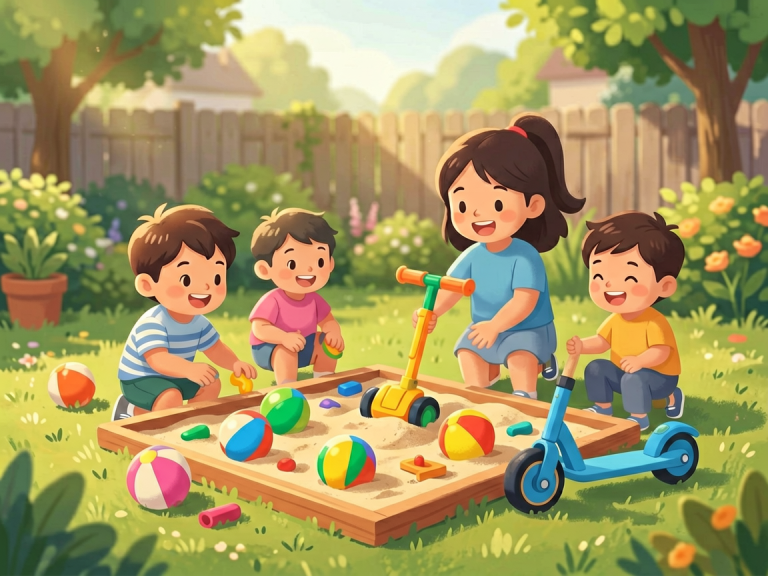
Outdoor toys bring children into direct contact with the natural world. A sandbox or a mud kitchen invites tactile exploration of textures, temperatures, and even microbial life (which, contrary to popular fear, may strengthen immune systems). Sunlight on the skin triggers vitamin D synthesis, while the breeze, bird songs, and varying terrain train the senses in ways no indoor toy can replicate. Studies show that children who spend regular time in green spaces exhibit lower stress levels, improved attention spans, and even better academic performance. Outdoor toys act as the catalyst for this critical nature connection.
The Case for Indoor Toys: Focus, Creativity, and Safety
Cognitive Development and Fine Motor Skills
Indoor toys excel at sharpening the mind. A set of Lego bricks requires hand-eye coordination, spatial reasoning, and patience. A jigsaw puzzle teaches pattern recognition and perseverance. Building blocks, art supplies, and board games all demand sustained concentration in a controlled environment. These fine motor activities are essential for later tasks like writing, typing, and even playing musical instruments. Moreover, many indoor toys are designed to scaffold cognitive growth: a shape sorter helps a toddler understand categorization, while a chess set introduces complex strategic thinking for older children. The quiet, distraction-free nature of indoor play allows the brain to delve deeply into problem-solving without the chaos of outdoor stimuli.
Safety and Weather Independence
Not every day is meant for the outdoors. Rain, extreme heat, cold snaps, or unsafe neighborhood conditions can make outdoor play impossible. Indoor toys provide a consistent, safe alternative that respects seasonal and regional limitations. Parents can monitor their children closely, ensuring that small parts are not swallowed or that sharp edges do not cause injury. For toddlers and infants especially, indoor toys with soft edges and non-toxic materials offer peace of mind. Additionally, indoor play often occurs in comfortable climates, which helps children maintain their energy for longer engagement—essential for developing perseverance in learning tasks.
Social Skills in Structured Settings
Board games, collaborative building sets, and role-play toys (like a play kitchen or doctor’s kit) thrive indoors because they encourage turn-taking, verbal negotiation, and rule-following in small-group settings. While outdoor play also fosters social skills, it often involves larger groups and less structure. Indoor toys create a microcosm of social rules: “You have to wait for your turn to roll the dice,” or “Let’s build the castle together.” These interactions teach compromise, emotional intelligence, and the ability to handle winning or losing gracefully. In an age where social skills are increasingly mediated by screens, indoor board games offer a vital antidote.
Comparing the Two: Context Matters
Age and Developmental Stage
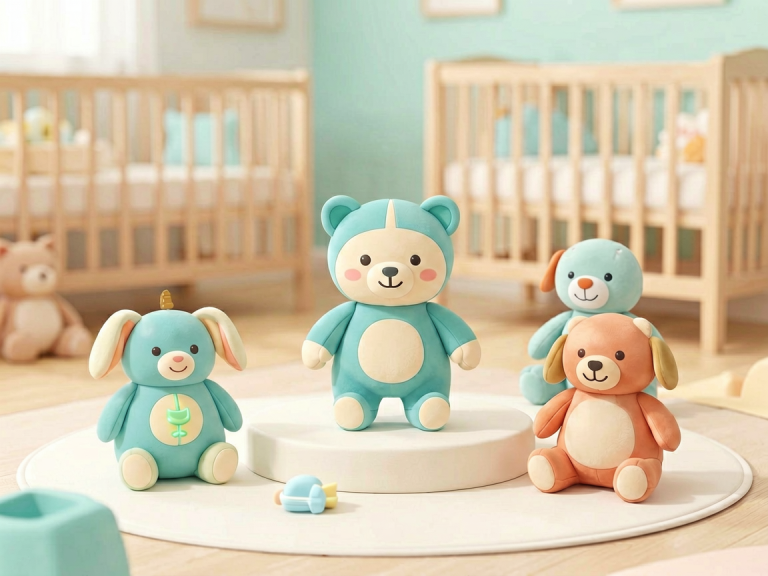
Infants and toddlers benefit more from indoor toys that are safe, textured, and designed for sensory exploration and fine motor development. As children grow, outdoor toys become increasingly valuable for building strength, coordination, and social independence. For preschoolers, a balance of both is ideal—a morning of running with a ball, followed by an afternoon of puzzles. School-aged children, on the other hand, may need more deliberate outdoor time to counteract the sedentary nature of classrooms and homework.
Urban vs. Rural Environments
Children living in apartments with no backyard or safe nearby park may have limited access to outdoor toys. In such cases, indoor toys become the primary vehicle for play and development. However, these families can seek alternatives like playgrounds or community sports equipment. Conversely, children in rural areas often have abundant space for outdoor toys but may lack the variety of indoor educational toys. The “better” option is therefore heavily contextual—it depends on what is available, safe, and appropriate.
The Danger of Extremes
No child should spend all day exclusively indoors with digital or passive toys—this can lead to obesity, myopia, and social withdrawal. Conversely, a child who is always outdoors without exposure to quiet, focused indoor play may struggle with tasks requiring sustained attention or fine motor precision. The healthiest approach is a hybrid: outdoor toys for physical health, risk-taking, and nature immersion; indoor toys for cognitive depth, creativity, and structured social interaction.
Conclusion: Integration Over Competition
Perhaps the most honest answer to “which is better” is that the question itself is flawed. Outdoor and indoor toys are not rivals in a zero-sum game; they are complementary tools for holistic child development. A child who grows up swinging on monkey bars and also assembling intricate Lego models will emerge with a richer set of skills—physical resilience, cognitive flexibility, emotional balance, and social competence. Parents and educators should not feel pressured to choose one category. Instead, they should strive to provide a varied toy environment that respects the child’s age, personality, and living conditions. The true “better” toy is the one that invites active, joyful, and meaningful engagement—whether under the sun or inside a cozy living room. So, the next time you buy a toy, ask not whether it is indoor or outdoor, but whether it will spark curiosity, challenge the child, and connect them to the world in a healthy way. In that light, the debate dissolves, and the child wins.