Outdoor Toys vs. Indoor Toys: A Comprehensive Comparison for Child Development and Play
Introduction
Toys are more than just sources of amusement for children; they are essential tools that shape cognitive growth, physical health, social skills, and emotional well-being. In contemporary parenting and education, a persistent debate revolves around the relative merits of outdoor toys versus indoor toys. Outdoor toys—ranging from bicycles and swings to sandboxes and climbing frames—immerse children in natural, open environments, while indoor toys—such as building blocks, board games, and digital tablets—provide controlled, often structured play experiences. This article offers a detailed, evidence-based comparison of these two categories, examining their impact on physical development, creativity, social interaction, safety, educational value, and modern trends. By understanding the unique advantages and limitations of each, parents and educators can make informed decisions to foster balanced, holistic growth in children.
Physical Development and Health
Outdoor Toys and Gross Motor Skills
Outdoor toys are inherently designed to engage large muscle groups and promote whole-body movement. Riding a tricycle or bicycle strengthens leg muscles, improves balance, and enhances cardiovascular endurance. Climbing frames, monkey bars, and rope swings challenge upper body strength, coordination, and spatial awareness. Activities such as throwing a ball, jumping rope, or playing tag develop agility, reaction time, and proprioception—the sense of one’s own body position in space. Moreover, outdoor play often requires sustained physical exertion, helping children meet the recommended daily physical activity guidelines and combat the growing epidemic of childhood obesity. Exposure to sunlight also enables vitamin D synthesis, which is crucial for bone health and immune function. The natural terrain—uneven grass, slopes, or sand—adds an element of unpredictability that further hones motor planning and adaptability.
Indoor Toys and Fine Motor Skills
Indoor toys, by contrast, excel in refining fine motor skills and hand-eye coordination. Puzzles, LEGO bricks, threading beads, and art supplies demand precise finger movements, grip control, and bilateral coordination. These activities are particularly beneficial for developing the small muscles of the hands and wrists, which are essential for later skills like writing, typing, and using tools. Electronic tablets with drawing apps or touchscreen games can also enhance finger dexterity, though they may lack the tactile feedback of physical objects. However, indoor toys generally involve less vigorous movement. While a child can practice balancing on a yoga ball indoors, the space constraints and safety concerns of a living room cannot replicate the freedom of a backyard. Consequently, children who rely heavily on indoor toys may miss critical opportunities for full-body exercise and cardiovascular health.
Cognitive Development and Creativity
Outdoor Toys and Imaginative Exploration
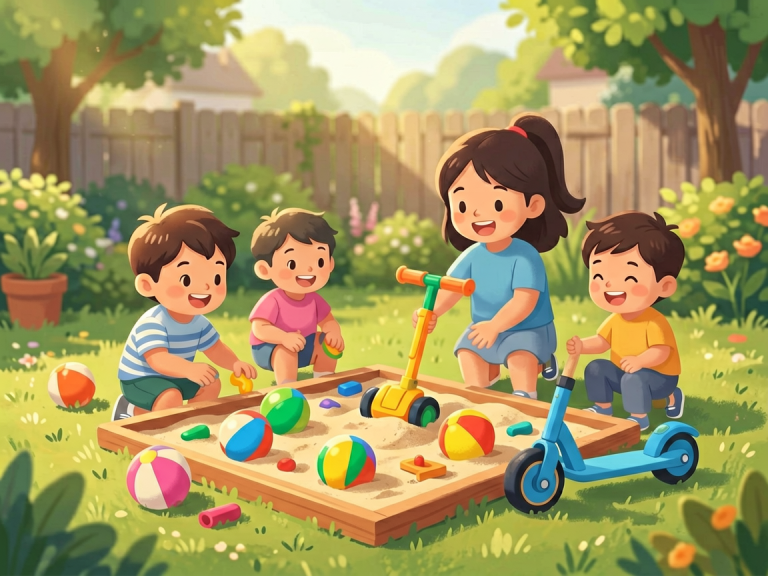
The outdoor environment is a boundless canvas for creativity. A simple stick becomes a magic wand, a sword, or a fishing rod. Sandboxes morph into miniature deserts, castles, or lunar landscapes. Water tables encourage experimentation with volume, flow, and cause-and-effect. Nature itself offers countless stimuli—leaves, insects, clouds, and puddles—that provoke questions and hypotheses. Studies in environmental psychology suggest that unstructured outdoor play fosters divergent thinking, problem-solving, and resilience because children must negotiate changing conditions (e.g., wind blowing a paper airplane off course). Furthermore, outdoor toys like treasure-hunting kits, binoculars, or gardening sets introduce basic scientific principles in a hands-on, memorable way. The lack of prescribed rules in most outdoor play allows children to invent their own narratives, which strengthens executive functions such as planning and self-regulation.
Indoor Toys and Structured Learning
Indoor toys often incorporate explicit educational goals. Building sets like LEGO or K’NEX require following step-by-step instructions, teaching sequence, logic, and perseverance. Board games (e.g., chess, Scrabble, or coding games) demand strategic thinking, memory, and literacy skills. STEM-focused indoor toys—such as circuit-building kits, microscopes, or programmable robots—provide systematic exposure to math and science concepts. Additionally, indoor toys can be tailored to specific developmental stages; for instance, shape sorters for toddlers teach categorization, while complex jigsaw puzzles for older children enhance visual-spatial reasoning. Nevertheless, the very structure that makes indoor toys educational may also limit creativity. When a child is told to build a specific model from a booklet, they practice compliance rather than original invention. To maximize cognitive benefits, indoor play should include open-ended materials like clay, cardboard boxes, or magnetic tiles that allow for unbounded creation.
Social Interaction and Emotional Growth
Outdoor Toys and Group Dynamics
Outdoor toys naturally lend themselves to cooperative and competitive play. A soccer ball, a seesaw, or a group game like capture the flag requires children to communicate, negotiate roles, take turns, and resolve conflicts. Large outdoor equipment, such as a swing set or a slide, often involves waiting in line and sharing space, teaching patience and empathy. The expansive setting also allows for parallel play (children playing side-by-side without direct interaction) as well as associative and cooperative play. Moreover, outdoor play frequently involves physical risk—climbing higher, swinging faster—which helps children assess danger, build courage, and learn from failure in a relatively safe context. These experiences are crucial for developing self-confidence and emotional regulation. However, outdoor play can sometimes lead to exclusionary dynamics (e.g., “you’re not fast enough to join our game”), requiring adult guidance to ensure inclusiveness.
Indoor Toys and Intimate Interactions
Indoor toys foster different social patterns. Board games and card games involve turn-taking, rule adherence, and friendly competition within a confined space, promoting focused interpersonal communication. Role-playing toys like kitchen sets, doctor kits, or dollhouses encourage children to mimic real-life scenarios, practicing language, empathy, and social scripts. For introverted children, indoor play often provides a less overwhelming environment for developing social skills. Yet indoor settings can also isolate children; a single child engrossed in a tablet game may miss opportunities for face-to-face conversation. Sibling or peer interactions around indoor toys can become tense over limited pieces or space. Additionally, the quieter nature of indoor play may reduce the release of endorphins and stress-relieving hormones that accompany loud, active outdoor games. A balanced approach suggests that both contexts are necessary: outdoor play for large-group camaraderie and physical risk-taking, indoor play for deeper one-on-one rapport and quieter negotiation.
Safety Considerations
Outdoor Toy Risks
Outdoor play inherently carries higher physical risk. Falls from climbing structures, collisions during bike riding, and sun exposure are common concerns. Even well-maintained playgrounds can present hazards if surfaces are not impact-absorbing (e.g., concrete vs. rubber mulch) or if equipment is damaged. Additionally, outdoor toys like trampolines have known injury rates, especially without safety netting. Parents must supervise closely, ensure appropriate safety gear (helmets, knee pads), and educate children about safe behavior. Weather conditions—extreme heat, cold, or rain—also affect outdoor play safety. However, many experts argue that moderate risk-taking is beneficial; avoiding all danger can lead to “cotton-wool kids” who lack risk-assessment skills. The key is to manage rather than eliminate risk, choosing age-appropriate equipment and maintaining it properly.
Indoor Toy Hazards
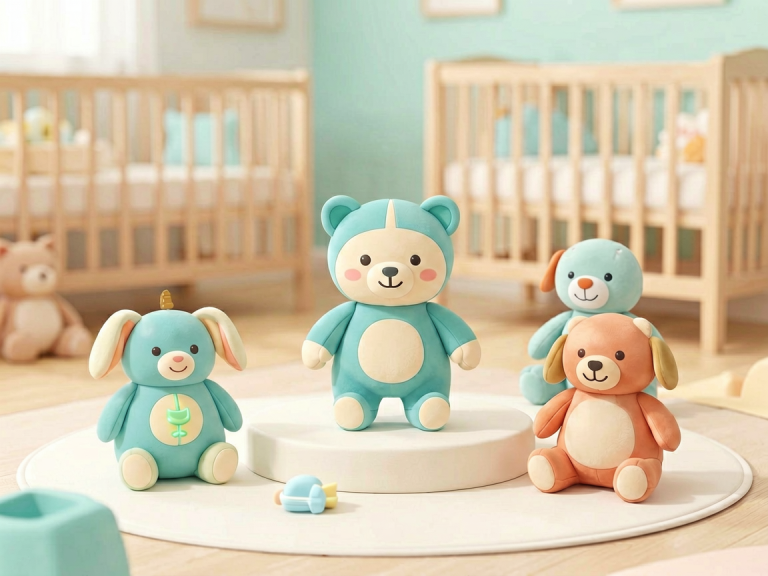
Indoor toys seem safer at first glance, but they have their own perils. Small parts pose choking hazards for toddlers; batteries can leak; electronic toys may overheat or have sharp edges. Stuffed animals can accumulate allergens. Screen-based indoor toys raise concerns about eye strain, sedentary behavior, and blue light interference with sleep. Furthermore, the confined nature of indoor spaces can lead to accidents such as tripping over scattered pieces, swinging a toy into furniture, or falling from a bunk bed while playing. Indoor toys also require careful consideration of chemicals: some plastics contain BPA or phthalates, and paints may contain lead. To mitigate risks, parents should adhere to age labels, inspect toys regularly, and set time limits for digital play. Ultimately, indoor safety is more about product selection and environment management, while outdoor safety relies more on active supervision and physical precautions.
Educational Value and Modern Trends
Outdoor Learning in the Digital Age
In an era dominated by screens, outdoor toys offer a critical antidote. Research indicates that children who spend more time in nature perform better on attention tests and exhibit lower stress levels. Outdoor toys like magnifying glasses, bug catchers, and weather stations turn play into informal science education. Garden kits teach biology and responsibility; compasses and maps promote spatial thinking. Many progressive schools now incorporate “forest school” or outdoor classrooms, using natural climbing, mud kitchens, and water play as core curricula. However, a common drawback is that outdoor toys often require adult facilitation to extract their full educational potential—a parent might need to explain why a seed grows or how a pulley works. Without guidance, outdoor play may remain purely physical.
Indoor Technology and 21st-Century Skills
Indoor toys have rapidly evolved into high-tech learning tools. Coding robots, augmented reality puzzles, and interactive smart boards teach programming, logic, and digital literacy from an early age. Subscription boxes deliver curated STEM experiments to homes. Educational apps can adapt to a child’s pace, offering personalized challenges. Yet critics warn that excessive reliance on technology reduces hands-on tactile learning and may impair attention spans. Moreover, many indoor toys are commercialized and gendered—pink princess castles for girls and blue tool sets for boys—which can reinforce stereotypes. The ideal indoor toy collection should include both low-tech classics (wooden blocks, art supplies) and select digital tools that encourage active creation rather than passive consumption. The trend toward “loose parts” play—using open-ended materials like fabric, cardboard, and recycled items—bridges indoor and outdoor philosophies.
Striking a Balance: Recommendations for Parents and Educators
No single category of toys is superior; rather, a synergistic combination yields optimal development. Infants and toddlers benefit most from sensory-rich indoor toys (rattles, soft blocks) combined with supervised outdoor time on safe grass or sand. Preschoolers thrive when they have access to both a tricycle (outdoor) and puzzles (indoor). School-age children should have opportunities for organized sports (outdoor) as well as board games and constructive toys (indoor) that require concentration. Parents can create a “play menu” that rotates between active, outdoor adventures and quiet, indoor activities based on weather, mood, and energy levels. It is also important to limit passive entertainment (television, mindless apps) and prioritize toys that require active engagement—whether that’s a soccer ball or a chemistry set.
Educators should design classrooms and playgrounds that complement each other. A school with a well-equipped playground can schedule daily outdoor breaks; an indoor makerspace with LEGO, circuits, and sewing kits can foster fine-motor and problem-solving skills. Integrating outdoor lessons (e.g., measuring tree heights with math) further bridges the gap. Ultimately, the goal is to ensure that children experience a rich variety of textures, movements, challenges, and social contexts. The best toys are not flashy or expensive; they are the ones that spark curiosity, invite interaction, and allow children to explore their own potential.
Conclusion
The comparison between outdoor toys and indoor toys reveals a clear truth: both are indispensable pillars of a child’s developmental landscape. Outdoor toys champion physical vitality, gross motor mastery, adventurous creativity, and group socialization under open skies, while indoor toys cultivate fine motor precision, structured cognitive learning, intimate relationships, and safety-controlled exploration. Modern trends show an increasing digitization of indoor play, which, while valuable, must be balanced with the irreplaceable benefits of fresh air and risk-taking. As parents, educators, and caregivers, our task is not to choose one over the other, but to curate a harmonious environment where children can run, jump, climb, imagine, build, solve, and connect in equal measure. By doing so, we give them the greatest gift: a foundation for lifelong health, curiosity, and resilience.