Top Educational Toys for 2-Year-Olds: Nurturing Early Development Through Play
The toddler years are a whirlwind of curiosity, energy, and rapid cognitive growth. At age two, children are not just learning to speak and walk more confidently—they are also beginning to understand cause and effect, sorting, matching, and imaginative play. Choosing the best educational toys for 2-year-olds can feel overwhelming given the sheer volume of products on the market, but the right toys do more than just entertain; they lay the foundation for problem-solving, motor skills, language acquisition, and social-emotional development. This article explores the key principles behind educational play for two-year-olds, categorizes the most effective toy types, and offers practical guidance for parents and caregivers.
Why Educational Toys Matter at Age Two
The brain of a two-year-old is developing at an astonishing rate. According to developmental psychologists, this period is marked by what is often called the “sensitive period” for language, spatial awareness, and fine motor control. Educational toys are designed to harness this natural plasticity by providing structured yet open-ended opportunities for exploration. For example, a simple shape sorter teaches a toddler about geometry, persistence, and hand-eye coordination all at once. Moreover, quality toys encourage independent play, which builds concentration and self-confidence. When a child successfully stacks a block tower or completes a puzzle, the resulting sense of accomplishment fuels further learning. It is important to remember that “educational” does not mean boring or rigid; the best toys for this age group feel like pure fun while secretly packing a developmental punch.
Key Categories of Educational Toys
Not all toys are created equal for a two-year-old. To ensure maximum benefit, it helps to think in terms of developmental domains. Below are several categories that research and early childhood educators consistently recommend.
Sensory and Fine Motor Toys
At two, children are refining their ability to manipulate small objects with their fingers. Toys that engage the senses—touch, sight, sound—while requiring precise movements are invaluable. Examples include:
- Play dough with simple tools: Squeezing, rolling, and cutting play dough strengthens hand muscles needed later for writing. Adding safe, non-toxic dough and child-safe scissors or plastic knives turns a sensory activity into a fine motor workout.
- Water and sand tables: Pouring, scooping, and sifting teach basic physics and cause-effect relationships. Even a small plastic tub with measuring cups and floating toys can keep a two-year-old engaged for half an hour, all while building hand strength and coordination.
- Lacing beads or threading toys: Large, chunky wooden beads with a stiff lace allow toddlers to practice pincer grip. This activity improves visual tracking and patience, though supervision is needed to avoid choking hazards.
Building and Construction Toys
Blocks are a timeless classic for good reason. For two-year-olds, consider:
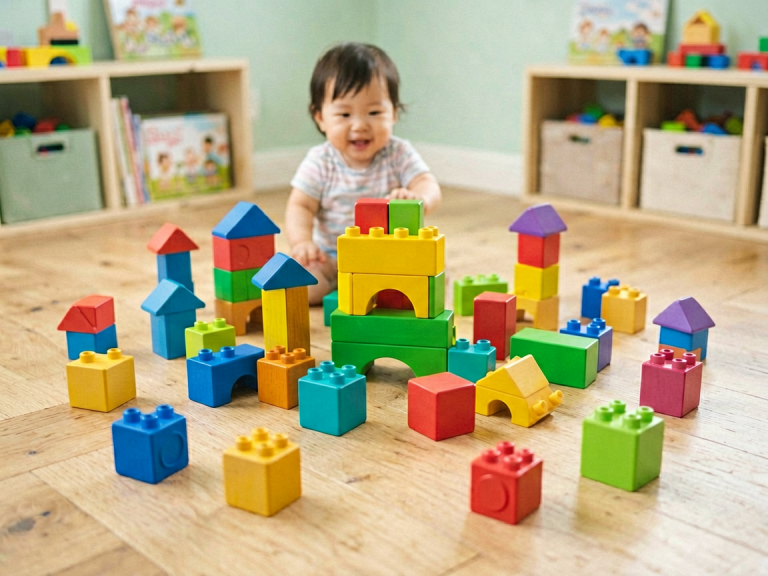
- Large wooden unit blocks: These allow for stacking, knocking down, and sorting by shape or color. Unlike plastic blocks that click together, wooden blocks require balance and spatial judgment, teaching early engineering concepts.
- Magnetic building tiles: Brands like Magna-Tiles (with large, sealed magnets) are excellent for this age. The magnetic connection provides satisfying feedback, and toddlers can build houses, towers, and simple geometric structures. The translucent colors also introduce light and color mixing.
- Interlocking blocks with large pieces: Duplo-style blocks—larger than standard Lego—are perfect for small hands. They encourage following simple instructions (e.g., “build a tower with four blue blocks”) while fostering creativity.
Pretend Play and Role-Playing Toys
Imagination blossoms at age two. Pretend play is not just cute; it is a vital part of cognitive and social development. Through role-playing, children practice language, empathy, and problem-solving. Top picks include:
- Play kitchen and food sets: A simple wooden or plastic kitchen with pots, pans, and play fruits/vegetables allows a toddler to imitate adults. This type of play builds vocabulary (naming foods, cooking actions) and sequencing (first chop, then stir, then serve).
- Dolls or stuffed animals with accessories: A baby doll with a bottle, blanket, and small diapers encourages nurturing behavior. Children learn to care for others and express emotions through pretend scenarios.
- Costumes and dress-up items: Simple hats, scarves, and vests let a two-year-old transform into a firefighter, doctor, or animal. This fosters creativity and can be a bridge to social play with peers or siblings.
Language and Cognitive Development Toys
Vocabulary acquisition accelerates dramatically between 24 and 36 months. Toys that prompt naming, matching, and early literacy are powerful tools.
- Simple wooden puzzles with knobs: Puzzles with animal shapes, vehicles, or everyday objects teach shape recognition and vocabulary. The knobs help toddlers grasp and turn pieces, building fine motor skills. As children progress, they can name the animals or objects aloud.
- Picture books with textures or flaps: Board books with lift-the-flap features or touch-and-feel elements (e.g., “Pat the Bunny”) engage multiple senses. Pointing to pictures and labeling them reinforces word-object association.
- Matching and sorting games: Cardboard or wooden cards with common objects (fruits, animals, colors) can be used for simple matching games. For example, “Find the other red apple.” This develops working memory and categorization skills.
Music and Movement Toys
Two-year-olds have boundless energy and love to move. Musical toys not only entertain but also support rhythm, coordination, and listening skills.
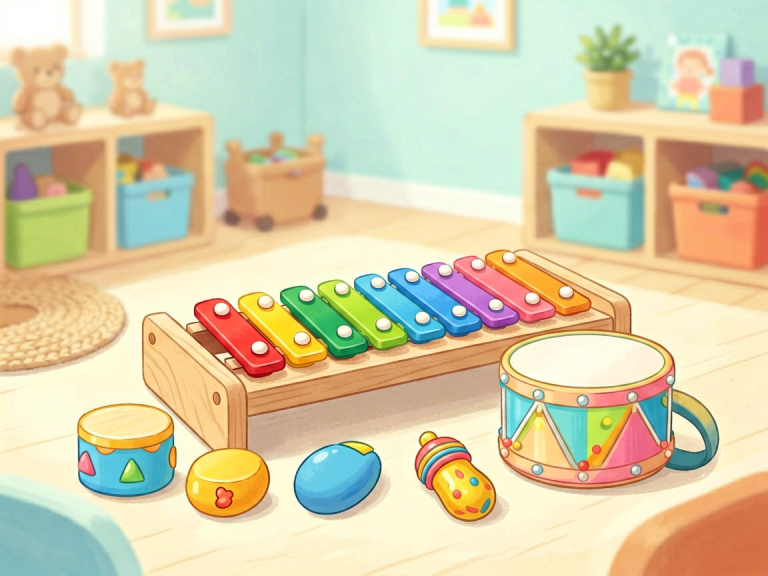
- Child-safe percussion instruments: Maracas, tambourines, drums, and xylophones encourage cause-effect learning (shaking makes noise) and allow for creative expression. Playing along to songs builds auditory processing.
- Push and pull toys: A wooden cart that a toddler can fill with blocks and pull behind them promotes gross motor development and balance. Some push toys have built-in gears or beads that make sounds, adding an educational layer.
- Ride-on toys without pedals: Push bikes or scooters that require foot power help develop leg strength and coordination. They also give toddlers a sense of independence and spatial awareness.
Tips for Choosing the Best Educational Toys
Beyond the specific categories, several universal guidelines can help parents make smart purchases.
- Prioritize safety above all: For two-year-olds, avoid toys with small parts that could be choking hazards. Look for rounded edges, non-toxic paints, and sturdy construction. Check labels for ASTM or EN71 safety certifications.
- Seek open-ended play potential: The best toys can be used in multiple ways. A set of wooden blocks can become a castle, a road, or a simple stack. Toys that dictate a single use (like a battery-operated singing toy) often lose their educational value quickly.
- Consider your child’s current interests: If your toddler is fascinated by animals, choose animal-themed puzzles and figurines. Following their lead increases engagement and learning.
- Limit electronic toys: While some electronic toys have educational features, many offer passive entertainment. Toys that require active manipulation—building, sorting, pretending—provide deeper cognitive benefits. When choosing electronic toys, opt for those that require interaction (e.g., a simple tablet-like game that asks the child to tap and match shapes) rather than just watching a screen.
- Rotate toys to maintain novelty: Two-year-olds get bored easily. Keep a small selection of toys accessible and store others away. Rotating every few weeks rekindles interest and extends the life of each toy.
Conclusion
Selecting the best educational toys for 2-year-olds is not about buying the most expensive or the most popular items. It is about choosing tools that match a toddler’s developmental stage and natural curiosity—toys that invite exploration, challenge fine and gross motor skills, and spark language and imagination. Sensory bins, building blocks, pretend play sets, simple puzzles, and musical instruments all belong in a well-rounded toy collection. Remember that the most educational toy is often one that allows a child to play alongside a caring adult. A parent who sits on the floor and hands a block, asks a question, or celebrates a completed puzzle turns any toy into a powerful learning experience. In the end, the goal is not to accelerate development but to support it joyfully, knowing that every stack of blocks, every pretend tea party, and every matching game is a stepping stone toward a lifetime of learning.