Timeless Treasures: The Ultimate Guide to Toys That Last as Gift Ideas
In a world of fast‑fading fads and plastic packaging that piles up in landfills, the concept of “toys that last” has become more than a nostalgic notion—it is a conscious, meaningful approach to gift‑giving. When we search for gift ideas that truly resonate, we are not merely looking for something that occupies a child for an afternoon. We are seeking objects that nurture creativity, withstand the test of time (and toddler tantrums), and perhaps even become heirlooms passed down to the next generation. This article explores why durable, timeless toys make exceptional gifts, what categories of “lasting toys” deserve your attention, and how to choose the perfect one for the special child in your life.
Why Choose Toys That Last? The Value Beyond the Box
Before diving into specific gift ideas, it is worth understanding the deeper reasons behind choosing longevity over novelty. A toy that lasts is an investment in quality, imagination, and family heritage.
First, durability saves money and resources. A cheap plastic action figure might break within weeks, leaving a disappointed child and yet another item destined for the bin. In contrast, a well‑crafted wooden train set or a metal construction kit can survive years of play, possibly even being handed down to younger siblings or cousins. From an environmental perspective, reducing waste is a powerful gift to the planet—fewer resources are consumed in manufacturing replacements, and less trash ends up in oceans and landfills.
Second, lasting toys often encourage open‑ended play. Unlike battery‑operated gadgets that dictate a single function, timeless toys—such as building blocks, art supplies, or classic board games—invite children to invent their own rules, stories, and challenges. This type of play fosters problem‑solving skills, creativity, and emotional resilience. Research in child development shows that open‑ended toys support longer attention spans and deeper engagement than flashy electronic alternatives.
Finally, there is an emotional dimension. A toy that lasts can become a repository of memories. The wooden rocking horse that your grandmother rode as a child, the set of colorful stacking rings from your own infancy—these objects carry sentimental weight that a disposable toy can never acquire. Gifting a toy built to endure is, therefore, gifting a piece of history and a promise of future memories.
Categories of Toys That Last: From Classic Wood to Modern STEM
Now that we appreciate the rationale, let us explore the best categories of lasting toys that make remarkable gift ideas. Each category emphasizes durability, timeless appeal, and developmental value.
1. Wooden Wonders: The Evergreen Classics
Wooden toys have been cherished for centuries, and for good reason. Solid wood, when finished with non‑toxic paints or oils, is incredibly robust. Unlike plastic, it does not splinter easily (if properly sanded) and can be repaired or refinished. Classics like wooden blocks, train sets, puzzles, and dollhouses offer endless possibilities. Brands such as Melissa & Doug, Hape, and Grimm’s produce heirloom‑quality pieces that can withstand vigorous play. A simple set of unpainted wooden blocks can be a toddler’s first architectural adventure, a preschooler’s counting tool, and a school‑age child’s fort‑building foundation. For a gift, consider a customized wooden name puzzle or a handcrafted rocking horse—both become personalized treasures.
2. Metal and Mechanical Marvels: Durable Engineering Toys
For children who love to build, take apart, and understand how things work, toys made of metal or high‑quality plastic components—like Meccano, Erector sets, or magnetic tiles (e.g., Magna‑Tiles)—are exceptional choices. These kits are designed to be disassembled and reassembled repeatedly, and their parts are far less likely to break than cheap snap‑together plastic. They also introduce basic principles of physics and engineering in a hands‑on way. A metal construction set, for example, might include real nuts, bolts, and metal strips, offering a tactile experience that no app can replicate. As a gift, it is not just a toy; it is a workshop for the mind.
3. Classic Board Games: Social Fun That Lasts Generations
Board games transcend age and time. A well‑made board game—think Checkers, Chess, Scrabble, Monopoly (the sturdy wooden edition), or a beautifully illustrated card game—can be played for decades. They encourage face‑to‑face interaction, strategic thinking, and graceful winning (and losing). When choosing a board game as a gift, look for versions with thick cardboard pieces, solid wood tokens, and linen‑finished boards. Many companies now offer “vintage” or “heirloom” editions that double as decorative pieces. For young children, cooperative games like “Hoot Owl Hoot!” or “The Sneaky, Snacky Squirrel Game” are both durable and fun. The gift of a board game is really the gift of family time.
4. Art Supplies and Creativity Kits: Endless Expression
High‑quality art materials are some of the most sustainable toys because they can be used until they are literally gone, and then replenished. But the tools themselves—good brushes, sturdy easels, watercolor palettes, clay, or knitting needles—can last a lifetime. A set of professional‑grade colored pencils (like Faber‑Castell or Prismacolor) in a metal tin, or a wooden box of pastels, makes a gift that a budding artist will treasure. Consider also a child‑friendly pottery wheel or a loom for weaving. These gifts not only endure physically but also nurture a lifelong skill and a creative outlet.
5. Outdoor and Active Toys: Built for Adventure
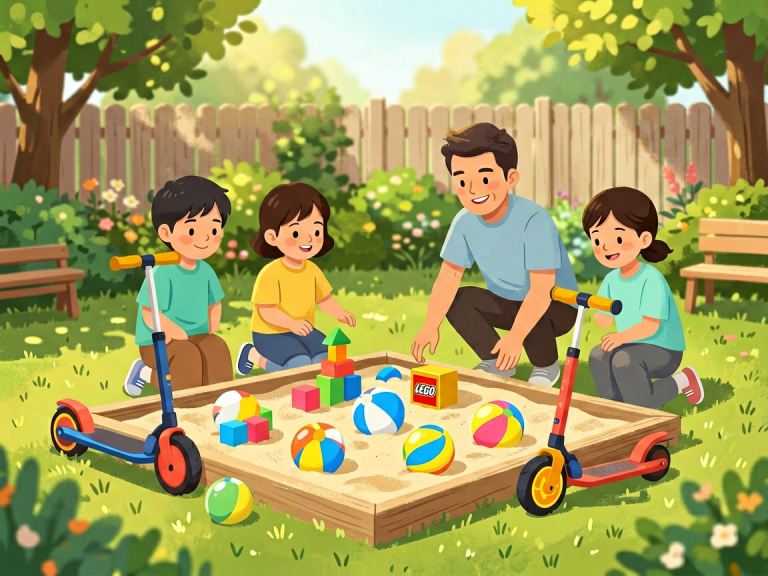
Toys that encourage outdoor play often need to withstand mud, rain, and rough handling. Think of a solid metal wagon, a wooden climbing frame, a rubber ball that can bounce on any surface, or a quality jump rope with weighted handles. A classic two‑wheeled scooter with pneumatic tires, a bicycle with a steel frame, or a kite made of ripstop nylon—these are gifts that promote physical activity and can be used for years. Even a simple set of wooden stilts or a hula hoop made from thick, high‑density plastic can provide countless hours of active fun. The key is to choose materials that resist rust, cracking, and wear. For a special touch, personalize a wooden toy box or a garden playset with the child’s name.
How to Identify a “Lasting Toy” When Shopping
With so many options, how can you be sure that the toy you choose will truly stand the test of time? Here are some practical tips:
- Examine the materials: Wood should be solid, not particleboard. Metal parts should be thick and well‑finished. Plastic, if used, should be high‑density, BPA‑free, and free from sharp edges. Check for certifications like FSC (Forest Stewardship Council) for wood or EN71 (European safety standard) for general safety.
- Look at the construction: Are joints glued and screwed or just snapped together? Are seams smooth? Can the toy be disassembled for cleaning or repair? Many lasting toys have replaceable parts (e.g., extra wooden blocks, additional game cards).
- Read reviews that mention longevity: Online reviews often highlight whether a toy broke after a few months or remained intact for years. Pay special attention to parents’ comments about “hand‑me‑down” potential.
- Consider the child’s interests and age: A durable toy that does not match the child’s current stage will be ignored, no matter how well‑made. A three‑year‑old might love a sturdy wooden push toy, while an eight‑year‑old might prefer a metal construction set. Always match the toy’s complexity to the child’s developmental level.
- Think about potential for growth: Some toys “grow” with the child. For example, a set of building blocks works for toddlers (stacking), preschoolers (counting and sorting), and older children (engineering and imaginative worlds). A good quality bicycle can be adjusted for height over several years. These are excellent investments.
The Emotional Gift: Why a Lasting Toy Becomes a Legacy
Beyond the physical durability, there is an emotional resonance that makes a lasting toy a truly thoughtful gift. When you give a toy that can be passed down, you are symbolically connecting generations. Imagine a wooden train set that was first owned by the child’s grandfather, then by the parent, and now by the new child. That train carries stories, laughter, and a sense of continuity. In a disposable culture, such a gift says: “You matter. Your childhood is precious, and I want you to have something that will remind you of this love for years to come.”
Moreover, children who grow up with durable toys often develop a respect for objects. They learn that things are not instantly replaceable, and they learn to care for their possessions. This mindset fosters responsibility and mindfulness—qualities that are valuable far beyond the playroom.
Conclusion: A Gift That Keeps on Playing
In the quest for the perfect gift, it is easy to be seduced by the latest electronic marvel or the trendiest character toy. But the gifts that truly stand out are those that endure—physically, developmentally, and emotionally. Whether it is a set of wooden building blocks, a classic board game, a metal construction kit, or an outdoor scooter built to last, choosing a durable toy is an act of love and foresight. It is a gift that will not be forgotten after the batteries die or the plastic cracks. Instead, it will become a cherished part of childhood, a tool for imagination, and perhaps even a family heirloom.
So next time you are searching for gift ideas, look beyond the glittery packaging and ask yourself: Will this toy still be played with next year, and the year after? Will it inspire creativity, bring people together, and survive a few tumbles? If the answer is yes, you have found a timeless treasure. Give the gift of play that lasts—it is a decision that will keep giving joy for many birthdays to come.