The Ultimate Guide to the Best Christmas Gifts for 3-Year-Olds: Nurturing Wonder, Learning, and Joy
Introduction
Christmas morning holds a special kind of magic when a three-year-old is involved. At this age, children are no longer helpless infants but curious, energetic explorers who are rapidly developing language, social skills, and a sense of independence. They ask “why” constantly, mimic adult behavior with hilarious accuracy, and can spend an astonishing amount of time stacking blocks or pretending to cook a meal. Choosing the perfect gift for a three-year-old therefore requires a careful balance: it must be safe, developmentally appropriate, engaging enough to hold their fleeting attention, and, most importantly, fun. This guide goes beyond simple toy lists. It explores the *why* behind each recommendation, considering how different gifts foster cognitive growth, motor skills, creativity, and emotional intelligence. Whether you are a parent, grandparent, aunt, uncle, or family friend, these ideas will help you find the best Christmas gifts that spark joy and learning in equal measure.
—
Building Blocks of Imagination: Construction and Building Toys
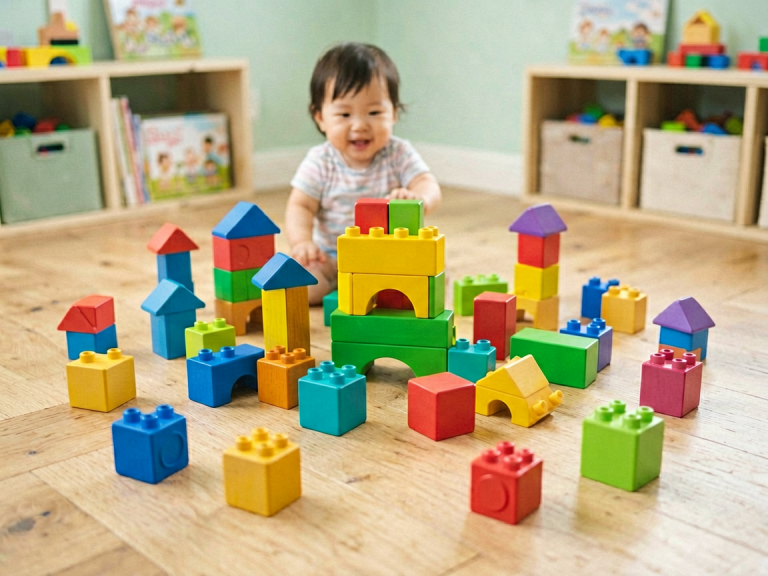
Three-year-olds are natural builders. Their fine motor skills have improved to the point where they can stack large blocks, snap together interlocking pieces, and even create simple structures. Construction toys are not merely about entertainment; they teach spatial reasoning, cause and effect, and problem-solving. When a child attempts to balance a block on top of another and watches it tumble, they are learning physics through trial and error.
Top recommendations include classic wooden block sets from brands like Melissa & Doug or Hape. Unlike plastic blocks, wood provides a satisfying weight and tactile experience. Look for sets with different shapes and sizes, as well as simple wooden vehicles or animals to inspire storytelling. For a more modern twist, magnetic building tiles such as Magna-Tiles or PicassoTiles are exceptional. The magnets snap together with a satisfying click, making it easy for small hands to create towers, castles, or even simple houses. The translucent colors also catch light beautifully, adding a visual reward. Another excellent choice is Duplo (Lego’s larger counterpart). Duplo bricks are large enough to prevent choking hazards yet small enough to encourage fine motor precision. Many Duplo sets come with themed characters like firefighters or farm animals, which allow children to incorporate narrative play into their building.
Why it works: Construction toys are an open-ended resource. There is no single “right” way to play, so a child’s creativity is the only limit. This autonomy is crucial for a three-year-old’s developing self-confidence. Moreover, building together with a parent or sibling strengthens social bonds and language as the child describes what they are making.
—
Little Artists, Big Creations: Arts and Crafts
By age three, children can hold a crayon with a more mature grip, make intentional scribbles that resemble circles and lines, and even cut soft paper with safety scissors. Art supplies are therefore a gift that keeps on giving, nurturing fine motor control, color recognition, and emotional expression. A child who cannot yet verbalize feelings of excitement or frustration may pour those emotions onto a page through splashes of bright colors or vigorous strokes.
The best arts-and-crafts gifts for three-year-olds prioritize ease of use and mess containment. Start with washable markers and crayons—Crayola’s “My First” line features chunky, easy-grip tools. Add a large pad of paper (the bigger the better, as their art often sprawls) and a reusable water-reveal mat, which uses special pens that only mark on the mat and dry clear, providing endless replay without ink stains. For a more hands-on experience, consider modeling compounds like Play-Doh or Crayola’s Model Magic. These soft, squishy materials strengthen hand muscles while allowing children to roll “snakes,” flatten “pancakes,” or make simple shapes. Accessories such as child-safe rolling pins or stampers add variety.
Another winning option is a sticker activity book. Three-year-olds are obsessed with peeling and placing stickers, and it is a fantastic way to practice pincer grasp. Look for reusable stickers that can be repositioned, allowing for unlimited scenes. You can also bundle a simple paper-cutting set with rounded safety scissors and pre-printed cutting strips, turning a potentially frustrating activity into a satisfying one.
Safety note: Always check labels for non-toxic materials and avoid items that contain small parts that could become choking hazards. Supervise glue and scissors use, and embrace the fact that a little mess is a sign of a happy, learning child.
—
Movers and Shakers: Active and Outdoor Play
Three-year-olds have seemingly boundless energy. They run, jump, climb, and tumble with relentless enthusiasm. Gifts that encourage gross motor development are not only healthy but also essential for building body awareness and coordination. Moreover, outdoor play in winter months can be challenging if you live in a cold climate, so indoor active toys are equally important.
A balance bike is perhaps one of the most transformative gifts for a three-year-old. Unlike tricycles, which require pedaling and can be difficult for short legs, balance bikes teach the core skill of balancing first. Children sit on a lightweight, pedal-less bike and propel themselves with their feet. Once they master balance, transitioning to a regular bicycle is often seamless. Look for models with adjustable seats and pneumatic tires for a smooth ride. If outdoor space is limited, a small indoor trampoline with a safety handle (and a foam edge cover) can turn the living room into a mini playground. Jumping improves leg strength, coordination, and is an excellent way to release pent-up energy.
For backyard or park play, consider a pull-along wagon or a ride-on toy like a sturdy tricycle with a push handle for parents. Cozy Coupes (the classic plastic car) remain wildly popular; children can pretend to drive to the store or on a grand adventure. If the weather is too cold or wet, a soft play tunnel or pop-up play tent can create an indoor obstacle course. Add a set of soft foam blocks or a ball pit for extra fun.
Why active play matters: Physical activity at this age is crucial for cardiovascular health, bone density, and sleep regulation. A gift that gets a child moving also helps them learn spatial awareness and risk assessment—for example, judging how high they can jump without falling.
—
Pretend Play: Dress-Up, Dolls, and Role-Playing
The world of a three-year-old is rich with imagination. They take on roles with complete seriousness—one moment a doctor, the next a superhero, then a hungry dinosaur. Pretend play is not just cute; it is the foundation of social and emotional learning. Through role-playing, children practice empathy (caring for a doll), problem-solving (cooking a “meal” with no real food), and language (negotiating who gets to be the mommy and who is the baby).
The best pretend-play gifts are open-ended. A wooden play kitchen with pots, pans, and play food is a classic for a reason. Children can “cook” for stuffed animals, mimic parents, and learn about routines like cleaning up. If space or budget is an issue, a simple “doctor’s kit” with a stethoscope, bandages, and a toy syringe provides hours of healing play. Similarly, a tool bench with plastic tools lets little builders “fix” things around the house.
Dress-up costumes are another staple. Rather than a specific character costume (which often gets quickly discarded), opt for a collection of mix-and-match items: a fire hat, a cape, a pair of fairy wings, a chef’s apron, a police badge, and a simple mask. Dolls and stuffed animals remain essential; a soft-bodied baby doll with a bottle encourages nurturing behavior. Boys and girls alike benefit from dolls, as it helps them process emotions and caregiving.
A note on inclusivity: Look for dolls and costumes that represent diverse ethnicities and abilities. A child who sees themselves reflected in their toys develops a healthier self-image. Also avoid overly gendered marketing—a truck driver costume is great for any child, and so is a princess dress.
—
Quiet Time and Stories: Books and Puzzles
Amid the excitement of Christmas morning, quiet-time gifts are the unsung heroes of a parent’s sanity. Three-year-olds benefit immensely from downtime, and the right book or puzzle can calm an overstimulated mind while still promoting learning.
Books for three-year-olds should have sturdy pages (board books are still useful, though paper pages with flaps are fine with supervision), repetitive text, and vivid illustrations. Interactive books like *Press Here* by Hervé Tullet or *Dear Zoo* by Rod Campbell invite participation. Look for books about Christmas itself, such as *The Snowy Day* by Ezra Jack Keats or *The Polar Express* by Chris Van Allsburg—but don’t shy away from non-holiday themes. Stories about feelings, like *The Color Monster* by Anna Llenas, help children identify emotions. A gift set of a few books plus a cozy reading pillow or a small bookshelf can inspire a love of reading.
Puzzles at age three should be simple: jigsaw puzzles with 8 to 24 large pieces. Wooden puzzles with knobs are excellent for younger three-year-olds, while floor puzzles (extra-large pieces) allow for collaborative play. The theme matters—animals, vehicles, or a child’s favorite character will keep them engaged. Puzzles build pattern recognition, patience, and spatial awareness. A Magnatab (a magnetic drawing board with a stylus) is another quiet-time favorite; children can trace letters or shapes and erase with a swipe.
Why quiet gifts matter: They provide a necessary counterbalance to high-energy play. They also teach delayed gratification and focus—skills that will serve a child well when they begin preschool.
—
Safety First: What to Look For When Buying for a 3-Year-Old
No gift guide is complete without a strong emphasis on safety. Three-year-olds are curious and may still put small objects in their mouths. When shopping, keep these guidelines in mind:
- Choking hazards: Any item that can fit entirely through a toilet paper tube is a potential hazard. Avoid small parts—beads, buttons, or tiny figurines. For art supplies, ensure crayons and markers are labeled “large” and “non-toxic.”
- Sharp edges and pinch points: Soften any sharp corners. For ride-on toys, check for exposed screws or mechanisms that could catch a child’s fingers.
- Chemical safety: All paints, glues, and clays should be non-toxic and AP-certified. Avoid toys that contain phthalates or lead. Check for recalls on the Consumer Product Safety Commission website.
- Strangulation risk: Remove any drawstrings or cords that are longer than 12 inches from costumes or bags. A toy with a long pull string or a jump rope with a loop can be dangerous.
- Age labeling: While age labels on toys are not perfect, they are a helpful starting point. A toy marked “3+” usually indicates it does not contain small parts, but always use your own judgment based on the child’s development.
Remember that a gift is only good if it is used safely. If you choose a toy that requires batteries, ensure the battery compartment is secured with a screwdriver so the child cannot access them. Also, check for button batteries; these are extremely dangerous if swallowed and can cause severe internal burns. Many modern toys now come with secure battery compartments, but always double-check.
—
Beyond the Gift: The Magic of Experience
Finally, it is worth noting that for a three-year-old, the very best Christmas present is often not a physical object at all. At this age, children are deeply attuned to emotions and connections. A family experience can create memories that last far longer than a toy. Consider giving a membership to a children’s museum, a zoo pass, or a ticket to a holiday puppet show. A subscription to a monthly craft or book box (like KiwiCo) extends the gift throughout the year. Or simply wrap up a “coupon book” with promises: “One trip to the playground with Grandpa,” “One special baking afternoon with Mom,” or “One indoor picnic in the living room.”
Experiences teach children that joy is not found in accumulation but in togetherness. They also give parents a structure for quality time—something that becomes more precious as children grow. When the wrapping paper is crumpled and the new toys are scattered around the room, a three-year-old will often gravitate toward the people who love them, not the things. So, while you choose the perfect building set or the coziest costume, remember that your presence is the ultimate gift.
Conclusion
Selecting the best Christmas gift for a three-year-old is an act of love. It requires understanding where they are developmentally—toddling somewhere between babyhood and childhood, mastering words and steps, and discovering the world’s wonders. The gifts listed in this guide—construction toys, art supplies, active play equipment, pretend-play costumes, books, and puzzles—all serve a dual purpose: they entertain and educate. Yet, the most important criterion remains joy. If a gift makes a child laugh, wonder, or say “again!” then it is a success. As you wrap each present, you are not just giving a toy; you are giving an invitation to explore, to imagine, and to simply be a child. Merry Christmas, and may your holiday be filled with the bright-eyed wonder that only a three-year-old can bring.