The Ultimate Guide to the Best Birthday Gifts for 3-Year-Olds: Sparking Imagination, Growth, and Joy
Choosing the perfect birthday gift for a 3-year-old can feel like navigating a colorful but chaotic maze. At this magical age, children are no longer babies—they are curious explorers, budding conversationalists, and tiny inventors who see the world as their personal playground. Their cognitive, motor, and social skills are developing at an astonishing pace, and the right gift can nurture those abilities while providing hours of joy. But with toy aisles overflowing with plastic gadgets, flashing lights, and endless options, how do you separate the truly enriching from the merely flashy? This comprehensive guide dives deep into the best birthday gifts for 3-year-olds, blending developmental science with practical experience. Whether you are a parent, grandparent, aunt, uncle, or family friend, these carefully curated suggestions will help you choose a present that delights the child, supports their growth, and stands the test of time. From open-ended building sets to artistic tools and outdoor adventures, each category is designed to honor the unique wonder of being three.
Why Age 3 Is a Transformative Milestone for Gift Giving
Before exploring specific gifts, it is essential to understand what makes a 3-year-old’s brain and body so special. At age three, children typically have a vocabulary of several hundred words and are beginning to form short sentences. They engage in parallel play but are also starting to enjoy simple cooperative games. Their fine motor skills have improved enough to hold a crayon, turn a page, or stack blocks, while gross motor skills allow them to run, jump, climb, and pedal a tricycle. Perhaps most importantly, their imagination is exploding. A cardboard box can become a spaceship, a sponge can be a whale, and a stick can transform into a magic wand. Therefore, the best gifts for this age are those that fuel imagination, encourage physical activity, promote problem-solving, and respect the child’s growing independence. Gifts that are too complex can cause frustration, while those that are too simple may bore them quickly. The sweet spot lies in open-ended toys that adapt to the child’s evolving interests.
Educational and Cognitive Development Gifts: Learning Through Play
Three-year-olds are sponges for information, and their natural curiosity makes educational toys particularly effective—provided they feel like play, not homework. The key is to choose items that teach foundational concepts like letters, numbers, shapes, colors, and patterns in a hands-on, engaging way.
Building Blocks and Construction Sets
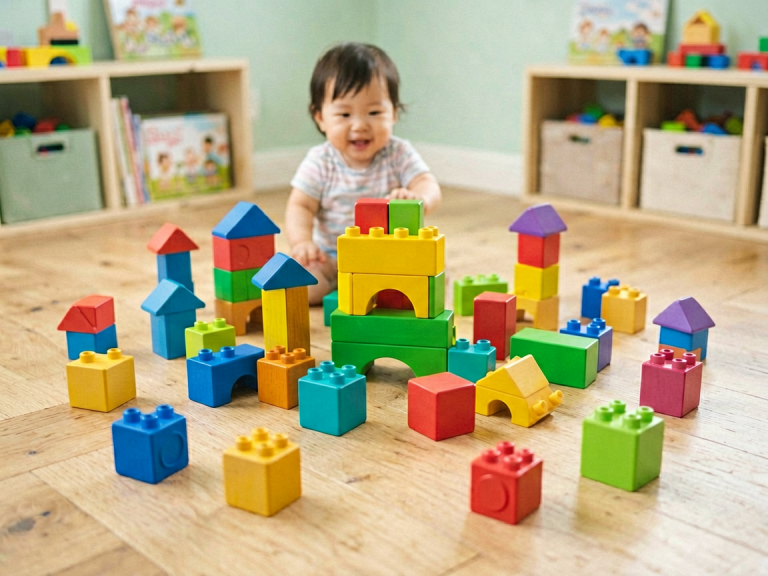
Classic wooden blocks remain one of the best investments for a 3-year-old. Unlike rigid plastic sets that only allow one configuration, a set of simple wooden cubes, arches, and cylinders allows for endless creativity. Children learn physics as they stack and balance, geometry as they create towers and bridges, and patience when their structure tumbles. Brands like Melissa & Doug or Tegu offer high-quality, sustainably sourced blocks with magnetic edges that add an extra layer of fascination. For a more modern twist, consider magnetic tile sets such as Magna-Tiles or PicassoTiles. These translucent, colorful squares and triangles click together easily, teaching kids about symmetry, magnetism, and spatial reasoning. A 3-year-old can build a simple house, then later combine it with a car ramp or a castle. The open-ended nature means the toy grows with the child, remaining engaging for years.
Puzzles That Challenge Without Frustrating
Puzzles are fantastic for developing hand-eye coordination, shape recognition, and problem-solving skills. For a 3-year-old, start with 8 to 12-piece jigsaw puzzles featuring familiar images like animals, vehicles, or favorite characters. Chunky wooden puzzles with knobs are excellent for younger threes, while floor puzzles with larger pieces encourage teamwork and gross motor movement. Look for puzzles that incorporate letters or numbers in a playful way—for example, a wooden alphabet puzzle where each letter is a separate piece that fits into a corresponding picture. This subtly introduces literacy while the child focuses on matching shapes. Avoid puzzles with too many pieces or very similar shapes, as they may overwhelm a preschooler’s developing brain.
Interactive Learning Tablets and Electronic Toys (With Caution)
While screen time for toddlers is a hotly debated topic, there are high-quality, interactive electronic toys designed specifically for 3-year-olds that encourage active rather than passive play. Devices like the LeapFrog LeapStart or the VTech Touch and Learn Activity Desk offer age-appropriate games that teach phonics, counting, and logic through touch, sound, and movement. The key is to choose toys that require physical interaction—pressing buttons, sliding levers, or turning pages—rather than simply watching a screen. These toys also often include a “parental control” feature that limits usage time. However, remember that no electronic toy can replace real-world, hands-on experiences, so use them as one tool among many.
Creative and Artistic Gifts: Unleashing the Inner Artist
Three-year-olds are natural artists. They love to scribble, paint, glue, and sculpt, and these activities are critical for developing fine motor skills, self-expression, and emotional regulation. The best creative gifts are those that are easy to use, safe, and forgiving of mistakes.
Washable Art Supplies: The Quiet Superheroes
Let’s be honest: art with a 3-year-old can be messy. That is why washable crayons, markers, and paints are non-negotiable. Crayola’s “Color Wonder” series uses special paper that only marks with the accompanying markers, keeping walls and furniture stain-free. Alternatively, a set of large, triangular crayons (designed for tiny hands) helps children grip correctly while drawing. Finger paints in primary colors allow sensory exploration, and a roll of butcher paper taped to the floor creates an instant masterpiece zone. For a more structured activity, consider a simple stamp set with animal or vehicle shapes. Stamping requires less fine motor control than drawing and gives children a sense of accomplishment. Add a few glue sticks and safety scissors, and you have a toolkit for hours of creation.
Play-Doh and Modeling Compounds
Play-Doh is perhaps the ultimate 3-year-old toy. It is affordable, reusable, and incredibly versatile. Rolling, squeezing, cutting, and molding dough strengthens hand muscles needed for writing later. A set with simple cutters (stars, circles, animals) and a plastic rolling pin provides endless possibilities. For a twist, try non-toxic modeling clay that does not dry out, or kinetic sand that sticks together and feels magical. Small accessories like plastic knives, forks, and cookie sheets turn dough play into a pretend bakery or restaurant. Just keep an eye on the inevitable “taste test”—most brands are non-toxic, but supervision is wise.
Easy-to-Use Art Kits with a Theme
Another great option is a themed art kit that includes everything needed for a specific project. For example, a “Make Your Own Suncatcher” kit gives the child a pre-cut shape (like a butterfly or star) and sheets of colored tissue paper to glue on. The result is a beautiful window decoration the child can be proud of. Likewise, a simple “sticker-by-number” set teaches numbers and colors while producing a recognizable picture. Avoid kits that require tiny beads or complex steps; at age three, the process matters more than the final product.
Physical and Outdoor Gifts: Energy in Motion
Three-year-olds are bundles of energy, and they need opportunities to run, jump, climb, and balance. Outdoor gifts not only promote physical health but also teach risk assessment, coordination, and a love for nature.
Ride-On Toys: Trikes, Scooters, and Balance Bikes
A first bicycle is a rite of passage for many children, but a traditional tricycle may be a better fit for a 3-year-old because it requires less balance. Look for a sturdy tricycle with a low center of gravity, wide wheels, and a seat that is comfortable. Alternatively, a balance bike (no pedals) is excellent for developing balance and coordination. Children push with their feet and glide, which builds leg strength and confidence. Once they master the balance bike, transitioning to a pedal bike is much easier. For indoor play, a small, lightweight scooter with three wheels offers stability and can be used on smooth surfaces. Always pair these gifts with a properly fitted helmet and close supervision.
Sand and Water Play Tables
Sand and water tables are among the most engaging outdoor toys for this age. They combine sensory play with fine motor skills, science (sink vs. float), and social interaction if friends join in. Look for a table with a canopy for shade, or a model that converts from sand to water easily. Add a set of plastic scoops, cups, sieves, and small plastic animals to spark imaginative play. A child can pour, dig, bury, and “cook” imaginary meals for hours. Some tables even include a water wheel or a small pump, adding a cause-and-effect element that fascinates preschoolers.
Climbing Structures and Play Gyms
If you have outdoor space, a small climbing dome or a plastic slide-and-climb structure is a fantastic investment. Children at this age love to test their physical limits, and climbing helps develop core strength, balance, and spatial awareness. Choose equipment appropriate for a 3-year-old with low platforms, wide steps, and safety rails. Alternatively, a simple backyard swing set with a bucket swing can provide endless joy. For indoor use, consider a foam climbing set with soft blocks that can be rearranged into slides, tunnels, and forts.
Imaginative and Role-Play Gifts: The World of Make-Believe
At three, children begin to imitate the adults around them. Role-play toys encourage language development, empathy, and social skills as children act out scenarios they have observed.
Dress-Up Costumes and Accessories
A dress-up trunk filled with simple costumes can transport a 3-year-old into any world they dream of. Key items include a firefighter hat, a doctor’s coat and stethoscope, a chef’s apron and plastic utensils, a princess dress, or a superhero cape. Look for costumes with elastic waistbands or Velcro closures so children can put them on independently. Add a mirror at their height so they can admire their transformation. The beauty of dress-up is that the child invents the story—they are not just wearing clothes; they are becoming a character. This builds narrative skills and confidence.
Play Kitchens and Tool Sets
A child-sized wooden play kitchen is a classic for good reason. It encourages cooking, sharing, and imaginative preparation of meals. Look for a model with turning knobs, a pretend stove, and storage for play food. Supplement it with a set of plastic fruits and vegetables that can be “cut” with a wooden knife (a favorite Montessori-type activity). Similarly, a tool bench with a plastic hammer, screwdriver, and wrench allows a child to “fix” things alongside a parent, teaching fine motor skills and problem-solving. These toys often include sound effects or lights, but the simpler models are often more durable and encourage more creative play.
Animal Figurines and Dollhouses
A set of high-quality plastic or rubber animal figures—farm animals, wild animals, dinosaurs—enables a child to create entire ecosystems on the living room floor. Combine them with a simple wooden barn or a plastic castle, and the stories multiply. Dollhouses are also popular, but for a 3-year-old, choose one with large, chunky furniture that will not break easily. The child can move the family from room to room, acting out daily routines like eating breakfast or going to bed. This type of play is crucial for emotional development, as children process their own experiences through the dolls’ adventures.
Social and Cooperative Gifts: Playing Together
While 3-year-olds are still largely egocentric, they are beginning to enjoy simple games with rules. Cooperative games that involve taking turns, sharing, and working together help build social skills without the pressure of competition.
Simple Board Games and Card Games
Board games for this age should have very few rules and rely on luck or color-matching rather than strategy. Games like “Candy Land” or “Hi Ho! Cherry-O” teach turn-taking, counting, and following directions. Another great option is “The Sneaky Snacky Squirrel Game,” where children use finger-picking tweezers to collect acorns of matching colors—it builds fine motor skills and color recognition. Card games like “Go Fish” with picture cards can be simplified to matching pairs. The goal at this age is not to win but to experience the flow of a game: waiting, cheering, and playing together.
Musical Instruments and Dance Toys
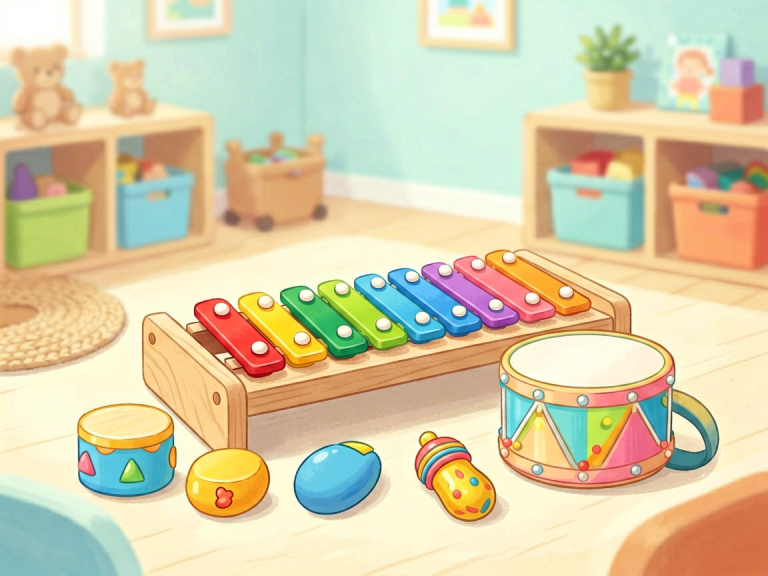
A set of simple musical instruments—a xylophone, a tambourine, a small drum, or maracas—invites a child to explore rhythm and sound. Many 3-year-olds love to dance, so a playlist of kid-friendly songs and a small, soft “dance mat” can inspire spontaneous movement. Look for a toy microphone that echoes or changes the voice, as it encourages singing and vocal expression. Music helps with language development, memory, and emotional regulation. Avoid instruments that produce ear-piercing sounds; instead, choose ones with soft, pleasant tones.
Sensory and Calming Gifts: For Quiet Moments
Not every moment of a 3-year-old’s day is high energy. They also need time to decompress, and sensory gifts can provide a soothing, focused activity that calms an overstimulated child.
Sensory Bins and Kits
A sensory bin is simply a shallow plastic container filled with a material like rice, dried lentils, or sand, along with scoops, cups, and small toys. It is a DIY gift, but you can purchase pre-made kits with themed items—for example, a “beach” bin with blue water beads, seashells, and a plastic shovel, or a “construction” bin with kinetic sand and tiny trucks. The child runs their hands through the material, pours, digs, and sorts. This type of play is incredibly calming and helps with focus. Always supervise a 3-year-old with small objects, and choose materials that are non-toxic and large enough not to be a choking hazard.
Weighted Blankets or Soft Plush Toys
Many 3-year-olds benefit from a soft, weighted lap pad or a small weighted stuffed animal. The gentle pressure provides deep touch input that can help a child feel secure and calm, especially during transitions like naptime or after a meltdown. However, weighted blankets for children must be carefully selected—keep them under 5 pounds, and never use them for babies or while a child is unsupervised. A simpler alternative is a super-soft plush toy with long floppy arms or a unique texture, like a “snuggle buddy” made of minky fabric. These comfort objects can become treasured companions.
Practical and Lasting Gifts: Beyond the Toy Box
Finally, consider gifts that serve a practical purpose but still delight a 3-year-old. Sometimes the best present is something they will use every day, making them feel grown-up and independent.
Personalized Books and Bedtime Stories
A book with the child’s name and face inserted into the story is an unforgettable gift. Companies like “I See Me!” or “Wonderbly” create customized hardcover books where the child becomes the main character. Reading a story about a little girl who goes on a space adventure or a boy who learns to share with a dragon not only makes reading magical but also boosts the child’s self-esteem. Furthermore, a collection of classic picture books—such as *The Very Hungry Caterpillar*, *Goodnight Moon*, or *Brown Bear, Brown Bear*—is always a wise choice. Reading together strengthens bonding, builds vocabulary, and fosters a lifelong love of stories.
Child-Sized Furniture or Bedding
A small table and chair set (wooden, not plastic) gives a child their own special spot for drawing, snacking, or playing. It can be used for years. Similarly, a colorful bed canopy or a set of sheets featuring their favorite cartoon character can make bedtime more enticing. For an especially meaningful gift, consider a personalized growth chart that you hang on the wall, marking the child’s height with a small sticker each birthday. It becomes a cherished family keepsake.
Conclusion: The Heart of Gift Giving at Age Three
At the end of the day, the best birthday gifts for 3-year-olds are not the most expensive or the most high-tech—they are the ones that invite participation, spark curiosity, and create moments of connection. A simple set of wooden blocks can be just as magical as a flashy electronic toy, provided it is introduced with love and playfulness. When choosing a gift, think about the child’s individual personality: Are they a climber? An artist? A mini chef? A storyteller? Observe them at play, and you will find clues. Remember that a gift does not have to be a surprise—sometimes asking the parents for advice ensures you hit the mark. And do not forget the power of an unwrapped experience: a trip to the zoo, a membership to a local children’s museum, or a subscription to a monthly craft box can create memories that outlast any object. Whatever you choose, wrap it with enthusiasm, sit down on the floor, and play with them. That shared moment is the truest gift of all.