The Ultimate Guide to Safe Toys Under $25: Fun, Affordable, and Worry-Free
Introduction: Why Safe Toys Matter More Than Ever
Every parent knows the feeling of handing a child a new toy and watching their eyes light up. But behind that excitement lies a quiet, often unspoken worry: Is this toy truly safe? In recent years, recalls of lead‑painted figurines, choking‑hazard components, and toxic plastics have made headlines, leaving caregivers more cautious than ever. The good news is that you don’t need to spend a fortune to protect your little ones. A thoughtful selection of safe toys under $25 can provide hours of educational fun without compromising on health or budget. This guide will walk you through the essential safety standards, explain what to look for on packaging, and recommend specific affordable toys that meet the highest safety criteria. Whether you’re shopping for a toddler, a preschooler, or a curious first‑grader, you’ll find trustworthy options that keep both children and parents happy.
Why Toy Safety Should Be a Non‑Negotiable Priority
The statistics are sobering. According to the U.S. Consumer Product Safety Commission (CPSC), thousands of toy‑related injuries are treated in emergency rooms every year. Many of these incidents involve small parts that cause choking, sharp edges that cut, or toxic substances that are ingested. Children under three are especially vulnerable because they explore the world by putting everything in their mouths. Even older kids can be harmed by poorly constructed toys that break into dangerous fragments. Safety isn’t just about avoiding obvious hazards like loose buttons or long cords; it also concerns chemical exposure. Phthalates, lead, and BPA have all been linked to long‑term developmental issues. When you choose a toy under $25, you might worry that a low price means lower quality control. In reality, many reputable brands produce budget‑friendly items that meet or exceed international safety standards. The key is knowing which certifications to trust and how to interpret labels.
Key Safety Standards and Certifications Every Parent Should Know
Before diving into specific toy recommendations, it’s crucial to understand the safety benchmarks that reliable toys meet. In the United States, the ASTM F963 standard is the gold standard for toy safety, covering mechanical, physical, and flammability hazards. Toys that carry the CPSC (Consumer Product Safety Commission) mark or have been tested by an independent lab are generally trustworthy. Additionally, the CPSIA (Consumer Product Safety Improvement Act) mandates that toys for children under 12 must be free of lead above a certain threshold and must not contain certain phthalates. For art supplies, look for ASTM D4236, which ensures that materials like crayons, paints, and glues are labeled as non‑toxic.
European parents may recognize the CE mark, which indicates compliance with EU safety directives. However, not all CE marks are created equal — some are self‑declared by manufacturers, so it’s wise to combine this with third‑party testing. The Global Organic Textile Standard (GOTS) is relevant for plush toys or fabric‑based items, indicating organic fibers and non‑toxic dyes. For plastic toys, the BPA‑free and phthalate‑free labels are becoming standard in reputable brands. Always check the recommended age range on the packaging. Even if a toy seems safe, it may contain small parts that are dangerous for babies. When buying safe toys under $25, look for products from established companies that voluntarily publish their safety test results or have a strong reputation for quality control. Brands like Melissa & Doug, Green Toys, LEGO, Hape, and Crayola are well‑known for their rigorous safety protocols.
Top Categories of Safe Toys Under $25
Now that you understand the safety framework, let’s explore the most reliable categories and specific products that fit the under‑$25 budget. Each category includes practical examples, price estimates, and why they are considered safe.
STEM and Educational Toys
STEM (Science, Technology, Engineering, and Math) toys are excellent for cognitive development, and many are priced reasonably. Building sets are a classic choice. A small set of LEGO Classic Bricks (e.g., the 11005 Creative Fun set, often under $20) comes with a variety of colors and sizes, and LEGO bricks are rigorously tested for sharp edges and small‑part safety. For younger children, Duplo blocks are larger and still budget‑friendly when purchased in small boxes. Another great option is Magna‑Tiles — while full sets can be expensive, smaller “starter” packs or off‑brand magnetic tile sets from reputable manufacturers often fall under $25. Just ensure the magnets are securely encased and the tiles are made of non‑toxic, BPA‑free plastic.
Science kits can also be safe and cheap. Look for kits that include only non‑toxic chemicals or activities like crystal growing using safe salts. The Thames & Kosmos Little Labs series has several kits under $25 that focus on simple, supervised experiments with clear safety instructions. For toddlers, simple shape sorters or stacking toys made from solid wood (e.g., Hape or Melissa & Doug wooden shape sorters) are excellent. They are painted with water‑based, non‑toxic finishes and have rounded edges. Prices range from $10 to $20.
Art and Craft Supplies
Art encourages creativity, and the right supplies can be perfectly safe. Crayola is the gold standard for children’s art materials. Their Ultra‑Clean Washable Markers, Crayons, and Colored Pencils are all non‑toxic and have been evaluated by the Art and Creative Materials Institute (ACMI) with the AP (Approved Product) seal. A 64‑pack of Crayola crayons costs about $8–$10, and a washable marker set is around $12. For painting, Crayola’s Washable Watercolors (under $5) or Finger Paint (around $8) are excellent choices. They are free from harmful solvents and easily wash off skin and clothes.
Play‑Doh is another timeless option. The standard 4‑pack of Play‑Doh (under $5) is non‑toxic and meets ASTM D4236. However, be aware that homemade or off‑brand dough may not have the same safety testing. For toddlers, consider Melissa & Doug’s “My First Art” kits, which include fat crayons, chunky paintbrushes, and non‑toxic glue sticks. These are designed specifically for small hands and are priced around $15–$20. Always avoid art supplies that contain strong odors or lack a clear “non‑toxic” label.
Outdoor and Active Play
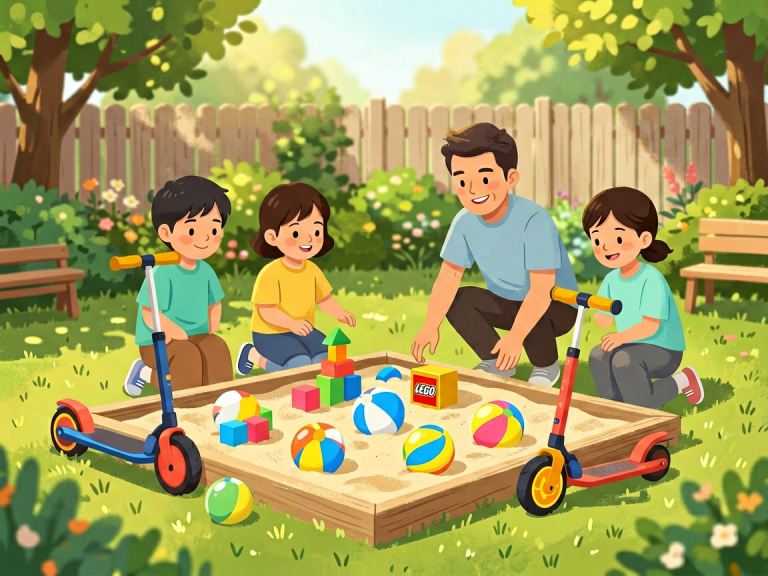
Physical activity is vital, and outdoor toys under $25 can be both safe and fun. Bubbles are a staple. Look for bubble solutions labeled as non‑toxic and tear‑free, such as Gazillion Bubbles (around $5). Avoid homemade recipes that use dish soap, which can irritate eyes. Sidewalk chalk is another excellent choice. Crayola’s Sidewalk Chalk is dust‑free and non‑toxic, costing about $6 for a set of 48 pieces. For active play, consider foam balls or soft frisbees made from EVA foam, which is non‑toxic, lightweight, and safe for indoor or outdoor use. A Nerf Foam Ball set (around $10) is safe for children over three because the balls are soft and cannot cause injury.
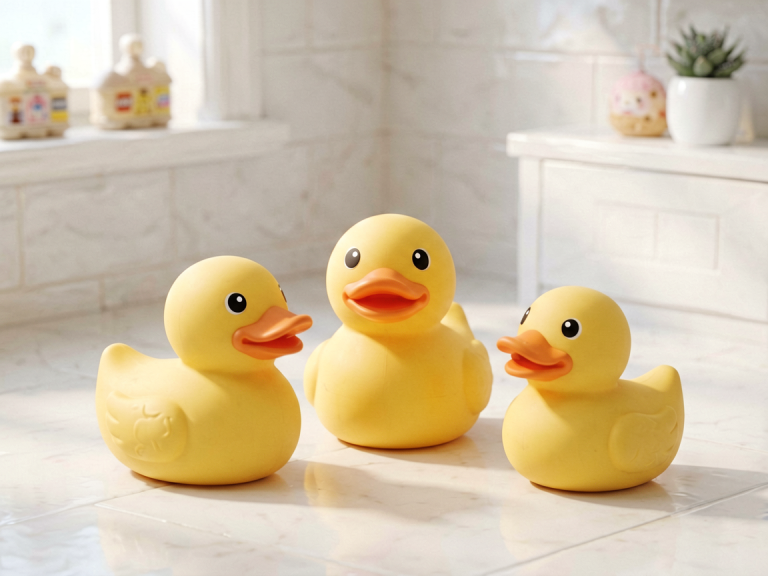
Water toys are also great for warm weather. Look for bath toys made from silicone (BPA‑free, phthalate‑free) or Green Toys brand, which uses 100% recycled milk jugs and food‑safe colors. A simple Green Toys watering can or sand toy set (around $12–$15) has no sharp edges and is dishwasher‑safe. For safety, never buy bath toys that have small vents or openings where mold can grow; solid molded toys are best.
Building and Construction Sets
Beyond LEGO and Magna‑Tiles, there are many other construction toys under $25. K’NEX offers small building sets for around $15–$20, and their rods and connectors are made from non‑toxic plastic. For very young builders (ages 2–4), Mega Bloks — the larger, colorful blocks — are a fantastic alternative to LEGO. A 60‑piece bag often sells for under $20, and each block is oversize to prevent choking. PicassoTiles are a lower‑cost magnetic tile option that still uses food‑grade plastic and strong neodymium magnets. Just make sure to buy from a seller with positive safety reviews. Wooden building blocks from Hape or Melissa & Doug (e.g., the Unit Blocks set, 60 pieces for about $22) are classic and safe. They are made from sustainable wood with water‑based finishes. Always inspect wooden toys for splinters or rough edges before giving them to a child.
Pretend Play and Role‑Playing
Imagination‑driven toys help children develop social and emotional skills. Dress‑up costumes can be safe if they are made from flame‑retardant, non‑toxic fabrics. Small accessories like play food or kitchen sets are popular. Green Toys makes a play dish set (under $20) that is durable, dishwasher‑safe, and free from BPA, phthalates, and PVC. Another safe bet is Melissa & Doug’s “Let’s Play House” cleaning set, which includes a dustpan, brush, and mop — all made from wood and fabric. It costs about $18. Puppets are also a wonderful choice. Look for folkmanis finger puppets (around $12) made from polyester fibers with no small parts. Avoid puppets with plastic eyes that can be pulled off; embroidered eyes are safer.
For tool play, Melissa & Doug’s “Take‑Along” Tool Kit (about $20) includes wooden tools with realistic details but no sharp edges. Play money sets or cash registers can also be safe, provided the coins are large and made of non‑toxic plastic. A Learning Resources “Pretend & Play” cash register is under $25 and has brightly colored, chunky play money.
How to Verify Toy Safety Before Buying
Even after selecting from recommended categories, it’s wise to double‑check a few things before clicking “buy.” First, read the customer reviews carefully. Look for comments about broken pieces, strong chemical smells, or pieces that came off easily. Second, check the manufacturer’s website for safety certifications. Many reputable companies post their ASTM or CPSC test results. Third, cross‑reference the toy with the CPSC’s recall database (saferproducts.gov) to ensure it hasn’t been recalled. Fourth, when possible, buy from established retailers that have strict return and safety policies, such as Amazon’s “Frustration‑Free Packaging” program or specialty toy stores. Fifth, trust your senses. If a toy has a strong chemical odor, feels greasy, or has sharp edges, it’s better to avoid it regardless of the price.
Conclusion: Joy Doesn’t Have to Be Expensive
Finding safe toys under $25 is not only possible — it can be a rewarding experience that teaches children to value creativity over cost. By sticking with brands that prioritize safety, checking for certifications, and avoiding obvious hazards, you can build a toy box that is both fun and protective. Remember that the most important “safety feature” is adult supervision. Even the safest toy can become risky if it’s used improperly. With the recommendations and guidelines above, you can shop confidently, knowing that every dollar spent is an investment in your child’s well‑being and happiness. So go ahead — pick out a colorful magnet tile set, a pack of Play‑Doh, or a soft frisbee. Your child will thank you with laughter, and you’ll rest easy knowing that the toy is safe, affordable, and just right.