The Ultimate Guide to Age-Appropriate Toys: Thoughtful Gift Ideas for Every Stage of Childhood
Introduction
Choosing the perfect gift for a child can feel like navigating a labyrinth of flashing lights, squeaky sounds, and endless plastic packaging. Yet the most meaningful toys are not the ones that make the most noise or cost the most money—they are the ones that align with a child’s developmental stage, spark genuine curiosity, and encourage healthy growth. Age-appropriate toys are not merely about safety; they are about meeting a child where they are cognitively, emotionally, and physically. A toy that challenges a toddler too much may cause frustration, while one that is too simple for a school‑age child will lead to boredom and disengagement.
This guide explores thoughtful, age‑specific gift ideas that nurture creativity, motor skills, social‑emotional learning, and problem‑solving abilities. Whether you are shopping for a newborn, a curious preschooler, or a tween exploring new hobbies, the following recommendations are designed to help you choose gifts that children will love—and that parents will appreciate.
—
Newborns and Infants (0–12 Months): Sensory Exploration and Bonding
During the first year of life, babies are rapidly developing their senses and beginning to understand cause and effect. Toys for this age group should prioritize safety—no small parts, no sharp edges, and non‑toxic materials—while stimulating sight, sound, touch, and eventually, grasping and mouthing.
High‑contrast black‑and‑white books or cards are excellent for newborns, whose vision is still developing. They help focus attention and encourage visual tracking. As the baby grows, soft, crinkly fabric books with different textures and mirrors introduce tactile exploration.
Activity gyms and play mats with hanging toys encourage reaching, batting, and eventually rolling over. Look for ones with detachable toys that can be used for tummy time. Rattles and teething rings made of food‑grade silicone or natural wood offer relief during teething and help develop hand‑eye coordination.
For caregivers, baby carriers or soft wraps are not toys in the traditional sense, but they foster closeness and allow the infant to observe the world from a safe, comforting vantage point. Musical mobiles with gentle lullabies can soothe a fussy baby while also teaching early patterns and rhythm.
Gift idea highlight: A set of organic cotton sensory balls in different sizes and textures—easy to grasp, safe to chew, and perfect for rolling games as the baby begins to crawl.
—
Toddlers (1–3 Years): Movement, Imitation, and Early Problem-Solving
Toddlers are on the move. They are learning to walk, run, climb, and communicate. Their play is often imitative—they love to mimic adults and older children. Toys for this stage should support gross motor development, language acquisition, and the beginning of imaginative play.
Push‑and‑pull toys (such as wooden wagons or animal‑shaped pull‑toys) encourage balance and coordination. Ride‑on toys with a low center of gravity—like a sturdy plastic car or a wooden balance bike without pedals—help toddlers practice steering and leg strength.
Simple puzzles with large, chunky pieces teach shape recognition and fine motor skills. Look for puzzles that feature familiar objects like animals, vehicles, or household items. Building blocks—whether classic wooden cubes or large interlocking plastic bricks—allow open‑ended construction and problem‑solving.
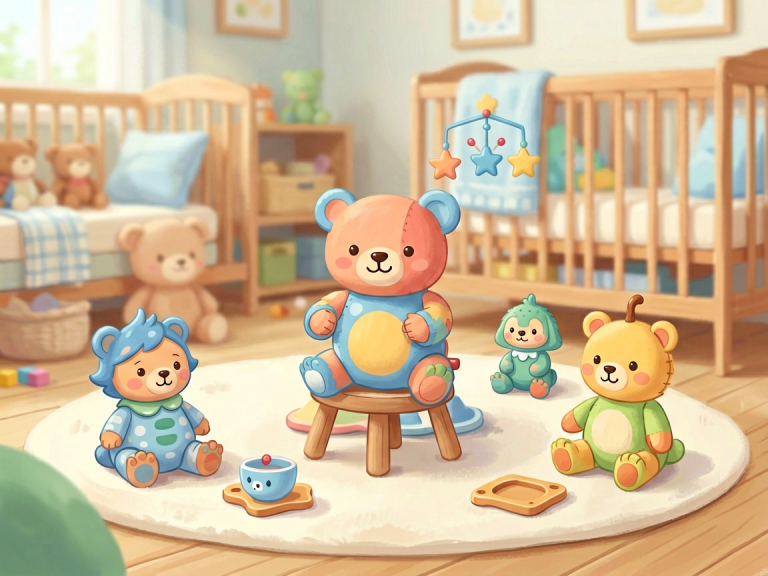
Imaginative play thrives at this age. Play kitchens, tool benches, and doctor’s kits let toddlers imitate the grown‑ups in their lives. Dolls and stuffed animals with simple accessories (a blanket, a bottle) encourage nurturing behavior and emotional expression.
For language development, board books with rhyming text or repetitive phrases are ideal. Interactive sound books that play animal noises or vehicle sounds combine reading with auditory learning.
Gift idea highlight: A set of stacking cups or nesting bowls—simple, versatile, and endlessly fascinating for a toddler who loves to dump, fill, and stack.
—
Preschoolers (3–5 Years): Creativity, Social Play, and Early Academics
Preschoolers are bursting with imagination and questions. They are beginning to engage in cooperative play, understand simple rules, and express themselves through art, music, and storytelling. Gifts for this age should encourage creativity, social interaction, and foundational academic skills without pressure.
Art supplies are a top choice: washable markers, finger paints, safety scissors, glue sticks, and large sheets of paper. A child‑sized easel or a craft box that stores supplies neatly invites daily creativity. Play‑dough (homemade or store‑bought) with simple tools like rolling pins and cookie cutters strengthens hand muscles and sparks endless sculpting.
Dress‑up costumes and pretend play sets (firefighter hats, princess gowns, astronaut helmets, play food and cash registers) are perfect for cooperative play with siblings or friends. Puppets—hand puppets, finger puppets, or a simple puppet theater—help children explore emotions and practice dialogue.
Board games for this age should be short and cooperative rather than competitive. Memory matching games, “Hoot Owl Hoot!” (a cooperative game), or simple matching bingo build focus and turn‑taking skills. Puzzles with 12–24 pieces featuring favorite characters or scenes are also great for cognitive development.
For early literacy and math, magnetic alphabet letters (with a cookie sheet as a play surface), number‑matching games, or simple counting beads on a string make learning feel like play.
Gift idea highlight: A set of animal or dinosaur figurines paired with a simple play mat (a felt “jungle” or “farm”)—perfect for storytelling and classification games.
—
Early School Age (5–7 Years): Skill‑Building, Rules, and Exploration
Children in this age range are entering formal education and developing more sophisticated motor skills, reading ability, and logical thinking. They enjoy games with clear rules, more complex building projects, and activities that let them feel competent and independent.
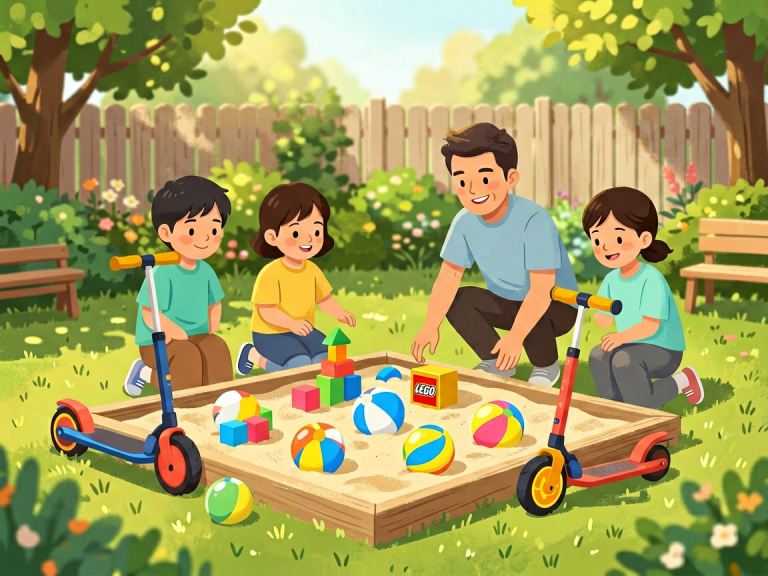
Construction toys like LEGO Classic sets, magnetic tiles (Magnatiles or similar), or wooden building planks encourage spatial reasoning and patience. Science kits for simple experiments—growing crystals, making slime, or testing sink‑and‑float—introduce the scientific method in a playful way.
Board games that involve strategy and luck, such as “Candy Land,” “Sorry!” or “Uno,” teach sportsmanship, counting, and following instructions. Card games like “Go Fish” or “Old Maid” are portable and great for family game nights.
For active play, bicycles with training wheels (or a pedal‑free balance bike if they haven’t mastered it yet), jump ropes, and bean bag toss games support physical coordination. Kites that require assembly are a fun outdoor project.
Reading skills blossom, so chapter books with illustrations (like the “Magic Tree House” series) or graphic novels for early readers make excellent gifts. A personal bookshelf or a book light can make reading feel special.
Gift idea highlight: A small “explorer kit” containing a magnifying glass, a compass, a nature journal, and a bug‑catching jar—encourages outdoor discovery and scientific observation.
—
Older School Age (7–10 Years): Hobbies, Challenges, and Social Sophistication
Kids in this stage are developing deeper interests and passions. They often desire more complex challenges and enjoy activities that can be done alone or with friends. Gifts should respect their growing independence while still promoting creativity and critical thinking.
Advanced building sets—such as LEGO Technic, K‑Nex, or marble runs—require following multi‑step instructions and problem‑solving. Coding toys like “Sphero” robots or “Ozobot” introduce basic programming logic. Subscription boxes for science, art, or engineering projects (KiwiCo, Tinker Crate) offer ongoing discovery.
Art and craft kits beyond basic supplies: friendship bracelet looms, pottery wheels, sewing kits, or embroidery projects. Musical instruments like a ukulele, recorder, or digital keyboard can ignite a lifelong passion.
Strategy board games such as “Settlers of Catan Junior,” “Ticket to Ride,” or “Chess” develop planning and critical thinking. Role‑playing games like “Dungeons & Dragons” beginner sets encourage storytelling, collaboration, and math skills.
For physical activity, sports equipment (a basketball hoop, a soccer ball, roller skates) or skateboards/scooters with safety gear are excellent. Bicycles without training wheels for those who have mastered balance.
Gift idea highlight: A “build‑your‑own” mini rocket kit or a simple electronics kit (like Snap Circuits) that lets kids create working lights, alarms, and fans.
—
Tweens and Teens (10–14 Years): Identity, Interests, and Independence
Pre‑teens and teenagers are forming their identities and often have strong opinions about what they like. They value gifts that acknowledge their maturity and personal taste. Gifts should support their hobbies, social connections, and self‑expression.
Creative outlets include high‑quality art supplies (professional‑grade markers, a sketchbook, watercolor sets), DIY jewelry kits, candle‑making sets, or nail art kits. Video cameras or ring lights for aspiring YouTubers or photographers.
Technology gifts are popular: noise‑canceling headphones, Bluetooth speakers, a tablet stylus for drawing, or a portable charger. Coding kits (Raspberry Pi starter packs) or 3D printing pens appeal to STEM‑minded teens.
Board games and party games that work for groups, such as “Codenames,” “Exploding Kittens,” or “What Do You Meme?” (age‑appropriate version). Puzzles with 500–1000 pieces can be a relaxing solo or family activity.
For active teens, fitness trackers or smartwatches (basic models), skateboard decks, longboards, or sports gear (a quality basketball or a yoga mat). Membership to a local makerspace or rock‑climbing gym can be a meaningful experiential gift.
Gift idea highlight: A subscription to an online learning platform (like Skillshare or Outschool) where they can take classes on drawing, animation, coding, or creative writing.
—
Conclusion
The best gifts are not simply objects—they are invitations to play, learn, and grow. Age‑appropriate toys respect a child’s developmental stage and provide just enough challenge to keep them engaged without overwhelming them. When selecting a gift, consider not only the child’s age but also their individual interests, temperament, and family values. A toy that encourages open‑ended play, fosters social connection, or ignites a new passion will be remembered far longer than any passing trend.
Whether you choose a handmade wooden rattle for a baby, a science kit for a curious 8‑year‑old, or a camera for a creative teen, your thoughtful selection shows that you see the child for who they are—and who they are becoming. And that, perhaps, is the most valuable gift of all.
*(Word count: approximately 1,250 words)*