STEM Toys vs. Montessori Toys: Which Path to Early Learning?
In the bustling landscape of modern parenting, few decisions spark as much deliberation as choosing the right toys for a child’s development. Two philosophies dominate the conversation: STEM toys, which emphasize science, technology, engineering, and mathematics, and Montessori toys, rooted in the child-led, hands-on learning method pioneered by Dr. Maria Montessori. Both promise to nurture intelligence, creativity, and independence, yet they approach childhood development from fundamentally different angles. Understanding these differences—and where they overlap—can help parents, educators, and caregivers select the tools that best support a child’s unique growth journey. This article explores the core principles, benefits, and potential drawbacks of each category, offering a balanced perspective for anyone navigating the toy aisle with purpose.
The Philosophy Behind STEM Toys
STEM toys emerged from a pressing societal need: to prepare children for a world increasingly driven by technology and scientific inquiry. The acronym stands for Science, Technology, Engineering, and Mathematics, and these toys are designed to introduce foundational concepts in these fields through play. From coding robots and chemistry kits to building sets that teach structural engineering, STEM toys aim to make abstract ideas tangible and engaging.
Key Characteristics of STEM Toys
STEM toys are typically goal-oriented and structured. A child building a bridge with a construction kit is not just stacking blocks; they are learning about load distribution, balance, and cause-and-effect. Many STEM toys incorporate step-by-step instructions, challenges, or problem-solving tasks that encourage logical thinking and perseverance. For example, a circuit-building kit requires the child to follow a schematic to complete a working light or buzzer, reinforcing systematic reasoning. Additionally, STEM toys often integrate technology, such as apps or digital interfaces, to simulate real-world applications. This aligns with the growing emphasis on digital literacy from an early age.
Benefits of STEM Toys
The most obvious advantage is the early exposure to critical STEM fields. Research suggests that children who engage with STEM toys develop stronger spatial reasoning skills, which correlate with success in mathematics and engineering. These toys also foster resilience: when a robot fails to move or a chemical reaction doesn’t work as expected, the child learns to troubleshoot and try again—a valuable life lesson. Moreover, STEM toys can be highly engaging for children who enjoy logic puzzles and hands-on experimentation, potentially sparking a lifelong passion for science.
Potential Drawbacks
Critics argue that some STEM toys are overly prescriptive, leaving little room for open-ended creativity. When a child must follow a specific blueprint, the play experience can feel more like a classroom assignment than genuine exploration. There is also the risk of overemphasizing technology at the expense of social or emotional development. Additionally, the rapid pace of technological change means that a toy focused on a specific coding language or platform may become obsolete quickly.
The Philosophy Behind Montessori Toys
Montessori toys, by contrast, are grounded in Dr. Maria Montessori’s observation that children learn best through self-directed, hands-on activities in a prepared environment. The toys are deliberately simple, often made from natural materials like wood, and are designed to isolate a single concept or skill. A classic Montessori toy, such as the "Pink Tower," teaches size discrimination and fine motor control without flashy lights or digital screens. The underlying principle is that the child’s innate curiosity should drive the learning process, with the toy serving as a tool for exploration rather than a source of instructions.
Key Characteristics of Montessori Toys
Montessori toys prioritize reality and purpose. They often mimic real-life objects, such as child-sized kitchen tools, gardening sets, or dressing frames that teach buttoning and zipping. The toys are self-correcting, meaning that the child can identify errors independently without adult intervention. For instance, a cylinder block puzzle only fits if each cylinder is placed in the correct hole, giving the child immediate feedback. This design fosters concentration, order, and a sense of accomplishment. The materials are typically aesthetically pleasing and durable, encouraging respect for the environment and for the activity itself.
Benefits of Montessori Toys
One of the greatest strengths of Montessori toys is their emphasis on independence and intrinsic motivation. Because there is no external reward or deadline, children learn to work at their own pace, building patience and focus. The toys also support a wide range of developmental areas—fine motor skills, sensory perception, mathematical thinking, and language—all within a single, unified framework. Parents often observe that Montessori materials encourage deep engagement rather than superficial entertainment. Furthermore, the use of natural materials reduces overstimulation and aligns with eco-conscious values.
Potential Drawbacks
Montessori toys can be less immediately exciting than high-tech alternatives. A child accustomed to colorful screens and flashing lights might initially resist the quiet, minimalist appeal of a wooden sorting tray. Some parents also find the cost prohibitive, as authentic Montessori materials are often handcrafted and relatively expensive. Additionally, the lack of explicit STEM content (such as coding or physics) might leave some gaps in early technological literacy, especially in a culture that increasingly values digital skills.
Comparing the Two Approaches
When placed side by side, STEM and Montessori toys reveal both contrasts and surprising commonalities. The most fundamental difference lies in their underlying philosophy: STEM toys are typically adult-directed and curriculum-driven, while Montessori toys are child-led and discovery-oriented. A STEM building set might contain a booklet with 20 specific projects; a Montessori equivalent might be a set of unit blocks with no instructions, inviting the child to create freely. This distinction affects how children develop problem-solving skills. STEM toys teach systematic thinking through structured challenges, whereas Montessori toys cultivate creative problem-solving through open-ended exploration.
Another critical dimension is the role of technology. STEM toys embrace digital integration, whereas Montessori methods deliberately limit it. Educators who follow the Montessori approach often argue that screens and digital interfaces can interfere with a child’s sensory development and ability to concentrate. However, proponents of STEM toys counter that early familiarity with technology is essential in the modern world. The choice here often reflects a family’s values regarding screen time and the pace of technological immersion.
Overlap and Synergy
Despite these differences, the two categories are not mutually exclusive. Many toys successfully blend both philosophies. For example, a wooden marble run—a staple in Montessori classrooms—also teaches physics concepts like gravity and momentum, aligning with STEM goals. Similarly, a simple balance scale from a Montessori materials set teaches mathematical relationships in a tactile way. The key is to look beyond the label and consider how the toy is used. A child who builds a bridge with wooden blocks (Montessori) and then tests its strength by adding weights is engaging in both scientific inquiry and self-directed learning.
Practical Guidance for Parents and Educators
Selecting between STEM and Montessori toys should not be an either/or decision. Rather, it is about creating a balanced play environment that addresses the child’s developmental stage, interests, and learning style. Here are some practical tips:
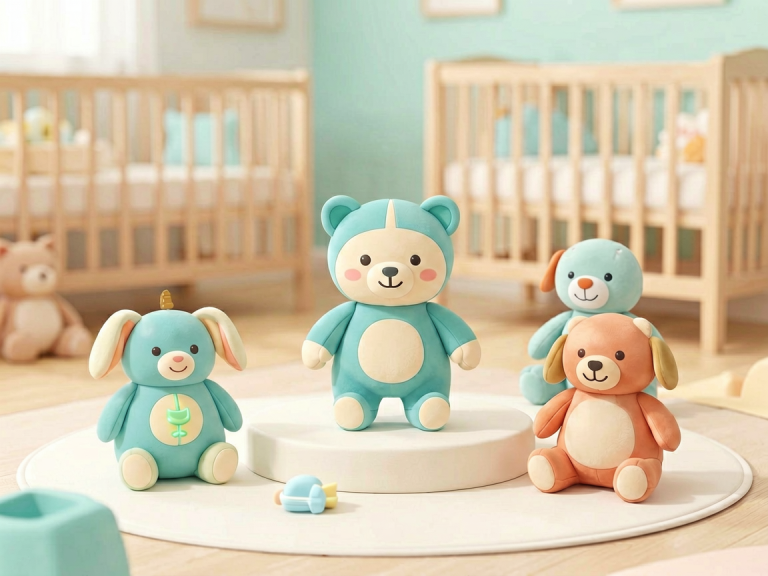
For infants and toddlers (0–3 years), Montessori toys are generally more appropriate. At this age, children benefit most from simple, sensory-rich materials that support motor development and cause-and-effect understanding. A wooden rattle, stacking rings, or a sensory ball provide foundational experiences without overstimulation.
For preschoolers (3–5 years), a combination works well. Introduce basic STEM toys like pattern blocks, simple magnifying glasses, or magnetic tiles alongside Montessori materials like knobbed cylinders or sandpaper letters. This period is ideal for nurturing curiosity in both the natural world and early mathematical concepts.
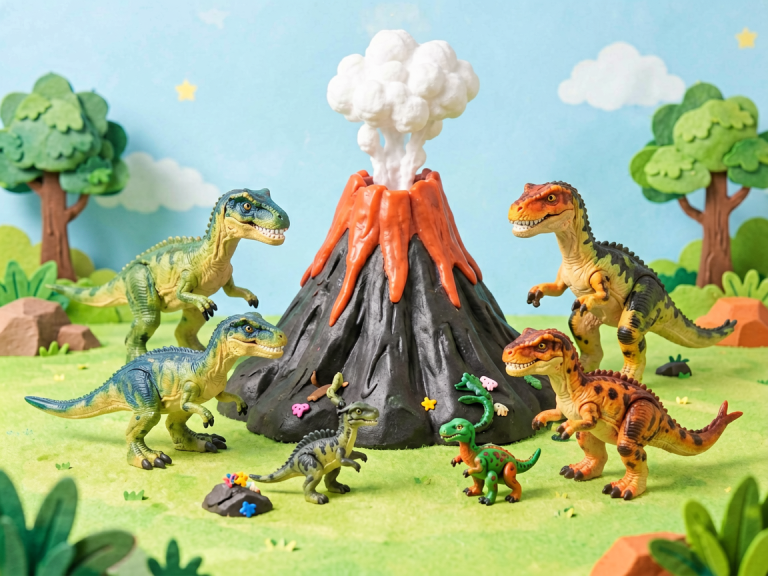
For school-age children (6+ years), lean into specialized interests. A child fascinated by dinosaurs can explore both a Montessori-style skeleton puzzle and a STEM-based fossil excavation kit. Likewise, a coding enthusiast might enjoy both a Montessori sequencing activity and a programmable robot. The goal is to encourage deep engagement without forcing a single methodology.
Avoid the trap of overbuying. Both categories are rich with options, but the best toys are those that spark genuine joy and sustained play. Observe your child: do they prefer open-ended building or following detailed instructions? Do they thrive on quiet, focused work or collaborative challenges? The answer will guide your choices.
Conclusion: A Holistic Approach to Early Learning
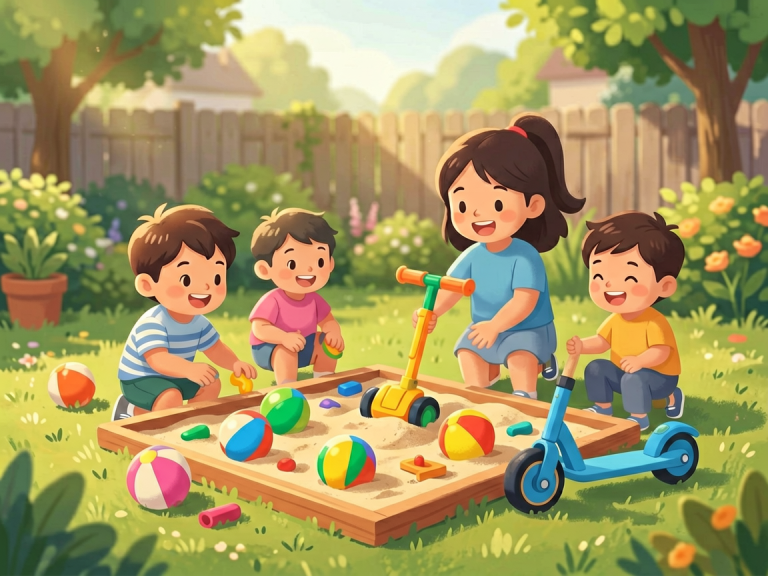
The debate between STEM and Montessori toys reflects a broader conversation about the purpose of childhood play. Is it to transmit specific knowledge and skills, or is it to nurture independent, curious, and capable individuals? The most enlightened perspective recognizes that both aims are valuable—and that the best learning happens when children are given the freedom to explore within a supportive framework. STEM toys offer a gateway to the concrete, logical structures that underpin our technological world; Montessori toys foster the inner discipline and creativity that allow those structures to be questioned and reimagined.
Ultimately, a child’s playroom should not be a battlefield of competing philosophies. Instead, it should be a landscape of possibility—where a wooden block can become a skyscraper, a falling marble can teach gravity, and a self-correcting puzzle can build confidence. By understanding the strengths and limitations of both STEM and Montessori toys, we can choose tools that honor the child’s natural drive to learn while gently guiding them toward the competencies they will need in the future. In that delicate balance lies the true art of raising thinkers, makers, and dreamers.