Screen-Free Toys for 8-Year-Olds: Reclaiming Childhood Imagination in a Digital Age
In an era where children as young as toddlers are handed tablets to keep them occupied, the concept of screen-free play might seem almost revolutionary. Yet for 8-year-olds—who are caught in a delicate balance between the wonder of early childhood and the growing pull of digital entertainment—the right physical toys can offer profound developmental benefits. At age eight, children possess advanced fine motor skills, burgeoning logical reasoning, and a social awareness that craves collaboration. Screen-free toys are not just nostalgic relics; they are powerful tools for fostering creativity, resilience, focus, and genuine human connection. This article explores why stepping away from screens matters for this age group, and presents a curated selection of toy categories that can captivate, challenge, and grow with an 8-year-old.
Why Screen-Free Toys Matter for 8-Year-Olds
Eight-year-olds are at a pivotal developmental stage. They are moving from concrete operational thinking toward more abstract reasoning, yet their attention spans are still forming. Screens—with their instant gratification, rapid scene changes, and algorithm-driven rewards—can actually impair the brain’s ability to sustain focus on a single task. Numerous studies have linked excessive screen time in middle childhood with reduced executive function, poorer emotional regulation, and diminished creativity. Screen-free toys, by contrast, demand patience, experimentation, and iteration. A wooden building block set that collapses after a clumsy placement teaches a child to analyze failure and try a different approach. A chemistry set that requires waiting for a reaction to occur cultivates delayed gratification. These are skills that no app can teach as effectively. Moreover, physical toys encourage multi-sensory engagement: the feel of a wooden piece, the sound of marbles rolling, the smell of modeling clay. Such tactile experiences are essential for brain development and can even improve handwriting and spatial awareness. Finally, screen-free toys remove the isolating bubble of personal devices. They invite siblings, friends, or parents to gather around a single object—be it a board game, a craft kit, or a construction set—and share laughter, frustration, and triumph together.
Top Categories of Screen-Free Toys for 8-Year-Olds
1. Construction and Engineering Sets: Building More Than Structures
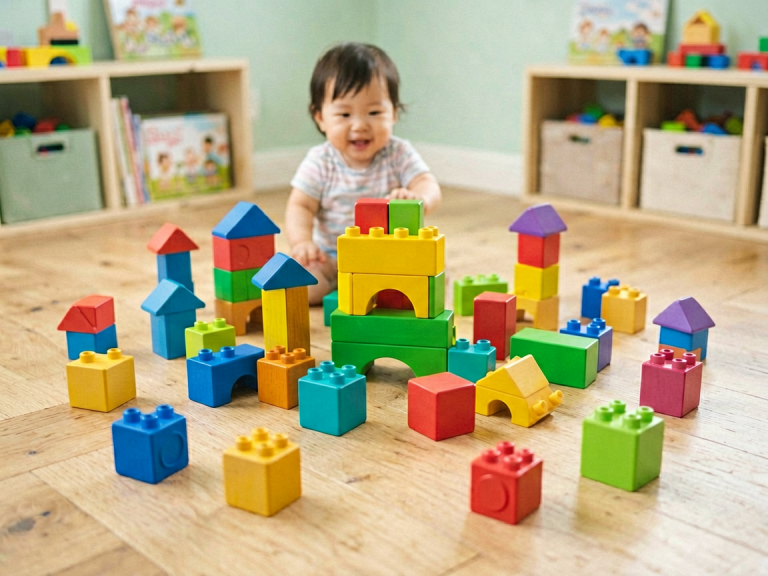
At age eight, children are ready for more sophisticated building systems beyond simple stacking blocks. Look for sets that combine interlocking pieces with mechanical principles. For example, magnetic tiles with steel ball bearings allow children to construct marble runs that demonstrate gravity, momentum, and trajectory. Or consider a gear-based construction kit where turning one cog can set an entire chain of movement in motion. These toys not only improve fine motor dexterity but also introduce foundational STEM concepts in a playful way. The best part is the open-ended nature: there is no single correct build. A child can design a towering castle one day and a vehicle with moving wheels the next. When the creation inevitably wobbles or falls, the child learns resilience and iterative problem-solving. Some advanced sets even include pulleys, levers, and simple machines, giving an 8-year-old a taste of physics long before they encounter the formulas in school.
2. Board Games That Challenge Strategy and Social Skills
Board games have experienced a renaissance, and for good reason. For an 8-year-old, a well-chosen board game does far more than pass the time. It teaches turn-taking, graceful winning and losing, and the ability to anticipate an opponent’s moves. Strategic games like “Carcassonne” (a tile-laying game) or “Ticket to Ride” (a railway route-building game) require planning and adaptability. Cooperative games, such as “Forbidden Island” or “Outfoxed!”, foster teamwork and communication as players work together toward a common goal. Even classic games like chess (with simplified versions for beginners) can be introduced at this age. Board games also provide a natural screen-free social environment: no notifications, no autoplay videos, just four pairs of eyes on a cardboard map and the satisfying click of wooden pieces. Moreover, many modern board games are designed to be engaging for both children and adults, making them ideal for family game nights that strengthen bonds.
3. Arts, Crafts, and Maker Kits: The Joy of Creating Something Tangible
Eight-year-olds possess the manual dexterity to handle small beads, sew simple stitches, or paint intricate designs. However, many are gradually introduced to screen-based drawing apps that lack the physical feedback of real materials. Screen-free art kits provide a sensory-rich alternative. Consider a weaving loom kit that teaches patterns and texture; a friendship bracelet set with embroidery floss that encourages patience and fine motor control; or a pottery kit with air-dry clay that allows a child to sculpt a bowl and then paint it. Maker kits that involve simple electronics—like a circuit-building set with LED lights, buzzers, and switches—are also highly engaging. When a child wires a battery to a light bulb and sees it glow, the sense of accomplishment is visceral. Unlike a virtual reward, this real-world result cannot be undone with a tap. The child owns the failure and the success, which builds self-esteem and a genuine “can-do” attitude.
4. Puzzles and Logic Games: Training the Brain Without a Screen
Puzzles remain a timeless screen-free option, but for 8-year-olds, the complexity should ramp up. A 500-piece jigsaw puzzle of a world map not only improves spatial reasoning but also subtly teaches geography. Three-dimensional puzzles, such as a wooden globe that must be assembled in layers, add an extra challenge. Logic puzzle books—with Sudoku, crosswords, or grid-based puzzles like “Logic Grid Puzzles”—are compact and portable, perfect for car rides or quiet afternoons. Many companies now produce strategy puzzle games that are self-contained, such as “Rush Hour” (a traffic jam logic game) or “Kanoodle” (a 3D puzzle challenge). These toys require no batteries, no Wi-Fi, and no charging. They force the brain to slow down, consider alternatives, and persist until the solution emerges. The satisfaction of placing that final puzzle piece or cracking a difficult code is something no screen can replicate.
5. Outdoor and Active Play Equipment: Moving Bodies, Sharpening Minds
While not strictly “toys” in a traditional sense, equipment that encourages active, screen-free play is vital for 8-year-olds. At this age, children need at least 60 minutes of physical activity daily. Items like a jump rope, a frisbee, a soccer ball, or a bicycle can provide endless entertainment. But consider more structured options: a slackline kit that challenges balance and core strength; a set of juggling scarves that builds hand-eye coordination; or a kid-sized archery set with suction-cup arrows that teaches focus and precision. Outdoor play also offers the benefits of sunlight (vitamin D) and exposure to nature, which has been shown to reduce stress and improve mood. Even something as simple as a magnifying glass and a bug-catching kit can turn a backyard into a science lab, sparking curiosity about the natural world. The key is to have these items readily available and to model screen-free behavior as a parent or caregiver.
How to Encourage Screen-Free Play Without a Battle
Transitioning an 8-year-old away from screens can feel like an uphill climb, especially if they have already developed strong digital habits. The secret is not to ban screens abruptly, but to make screen-free options irresistibly appealing. First, involve your child in the selection of toys. Take them to a specialty toy store or browse online catalogs together. When a child feels ownership over the choice, they are more likely to engage deeply. Second, create a designated play area that is clutter-free and inviting—a shelf for puzzles, a bin for building sets, a table for board games. Third, schedule regular “device-free hours” or “family play nights” where everyone participates. If you, as an adult, put away your phone and sit down to build a Lego castle or play a round of checkers, your child will see that screen-free time is valued. Finally, rotate toys. Keep some stored away and swap them out monthly. This reintroduces novelty without buying new items. An 8-year-old who hasn’t seen a marble run for two months will greet it with fresh enthusiasm.
Conclusion: The Long-Term Gift of Unplugged Play
In a world that constantly demands our attention through glowing screens, giving an 8-year-old a screen-free toy is an act of resistance—against algorithms that hijack attention, against passive consumption, against the erosion of imagination. The best screen-free toys are those that leave room for error, for creativity, for physical exploration, and for human interaction. They do not come with manuals that dictate every step; they invite the child to become the author of their own play. Whether it is a complex building set, a cooperative board game, a hands-on craft kit, or a backyard adventure, these toys lay the foundation for skills that will serve children throughout their lives: the ability to focus, to collaborate, to persist through frustration, and to find joy in the real world. As parents, educators, and caregivers, we owe it to the next generation to offer them not just more toys, but better ones—toys that spark wonder and connection, rather than passive engagement. The time to unplug is now, and the perfect place to start is with a gift that requires nothing more than hands, heart, and imagination.