Safe Toys Under $50: A Comprehensive Guide to Affordable and Child-Friendly Playthings
Every parent, caregiver, or gift-giver knows the joy of watching a child’s face light up when they receive a new toy. But beneath that excitement lies a serious responsibility: ensuring the toy is safe. In a market flooded with colorful, flashy, and often cheaply made products, finding safe toys under $50 can feel like searching for a needle in a haystack. Yet it is entirely possible – and even easier than you might think – to provide children with hours of imaginative, developmentally beneficial fun without breaking the bank or compromising on safety.
This article explores what makes a toy safe, how to spot hazards, and where to find the best affordable options. Whether you are shopping for a toddler, a preschooler, or an older child, you will walk away with a clear roadmap to selecting high‑quality, budget‑friendly toys that meet rigorous safety standards.
Understanding Toy Safety Standards: What Every Buyer Should Know
Before diving into specific recommendations, it is essential to understand the safety certifications and regulations that govern toys sold in the United States and many other countries. The most commonly referenced standard is ASTM F963, the Consumer Safety Specification for Toy Safety, which is mandatory in the U.S. Additionally, the Consumer Product Safety Improvement Act (CPSIA) requires that all toys intended for children under 12 be tested for lead, phthalates, and other harmful substances. When searching for safe toys under $50, look for labels such as “ASTM,” “CPSC compliant,” or “CE marked” (for European markets). These marks indicate that the product has undergone independent testing for mechanical, chemical, and flammability hazards.
Another important certification is EN71, the European safety standard that covers physical and mechanical properties, flammability, and chemical composition. Even if you are buying from an online marketplace, reputable sellers will clearly state these certifications. If a product listing omits any safety information, treat it as a red flag. Remember that price does not automatically guarantee safety – some inexpensive toys are made from non‑toxic materials and pass all tests, while some expensive ones may have small parts or sharp edges. The key is to verify the certification rather than relying solely on brand reputation or price tag.
Materials Matter: Non‑Toxic and Durable Options Under $50
The materials used in a toy directly affect its safety. Plastic, wood, fabric, and metal each come with their own potential risks. For safe toys under $50, the most reliable choices are those made from solid wood (painted with water‑based, non‑toxic finishes), food‑grade silicone, or BPA‑free plastics. Avoid toys that feel oily or have a strong chemical smell – these may leach volatile organic compounds (VOCs) into the air or onto a child’s skin.
Wooden toys are especially popular in the affordable category because they are durable, sustainable, and often free from the sharp edges found in cheap plastic. Many brands now offer beautifully crafted wooden puzzles, stacking blocks, and pull‑along animals for under $50. Look for smooth finishes and tightly glued joints. If a wooden toy has any rough spots, it may cause splinters.
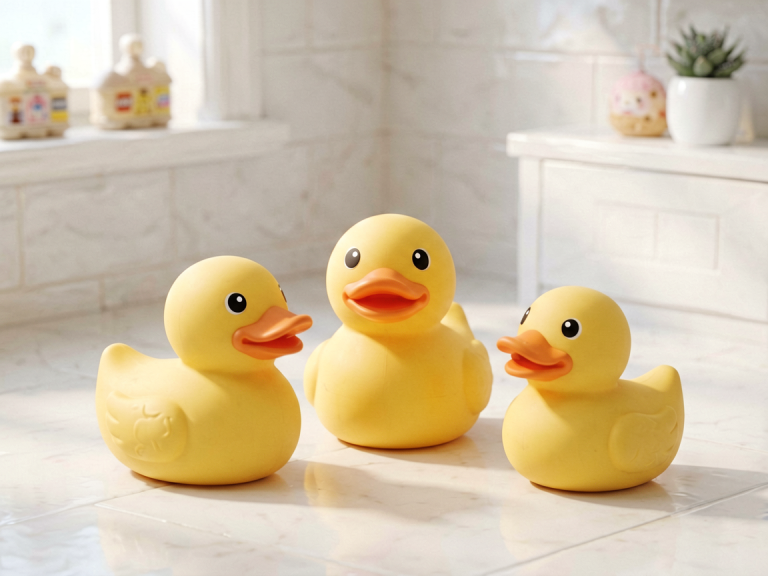
Silicone toys, such as teethers, bath toys, and stacking cups, are another excellent option. High‑temperature silicone is non‑toxic, dishwasher‑safe, and free from BPA, lead, and phthalates. These toys are often priced between $10 and $30, making them a perfect sub‑$50 choice for infants and toddlers.
For electronic toys, always check that the battery compartment is secured with a screw – not a simple latch – to prevent young children from accessing small batteries. Batteries are choking hazards and can cause severe internal burns if swallowed. Many battery‑powered toys under $50, such as simple musical instruments or light‑up activity boards, meet this safety requirement when purchased from reputable manufacturers.
Top Categories of Safe Toys Under $50
1. Building and Construction Sets
Building toys are excellent for developing fine motor skills, spatial reasoning, and creativity. Look for large‑size blocks (at least 1.5 inches in any dimension) for children under three to prevent choking. Brands like Mega Bloks First Builders and LEGO Duplo offer sets that start around $20 and go up to $45. Always verify that the blocks are made from non‑toxic plastic and are free from phthalates. Magnetic building tiles, such as those from Magna‑Tiles (often available in smaller sets under $50), are also safe if the magnets are fully encased and the edges are rounded.
2. Art and Craft Supplies
Art materials under $50 can be wonderful, but they must be labeled non‑toxic. Washable crayons, finger paints, and modeling clay are all excellent choices. Check for the AP (Approved Product) seal from the Art & Creative Materials Institute. Avoid any product that says “not intended for children” or that contains solvents. Crayon sets for under $10, watercolor palettes for $15, and modeling dough sets for $20 are all safe if they carry the proper certifications.
3. Ride‑On Toys and Outdoor Play
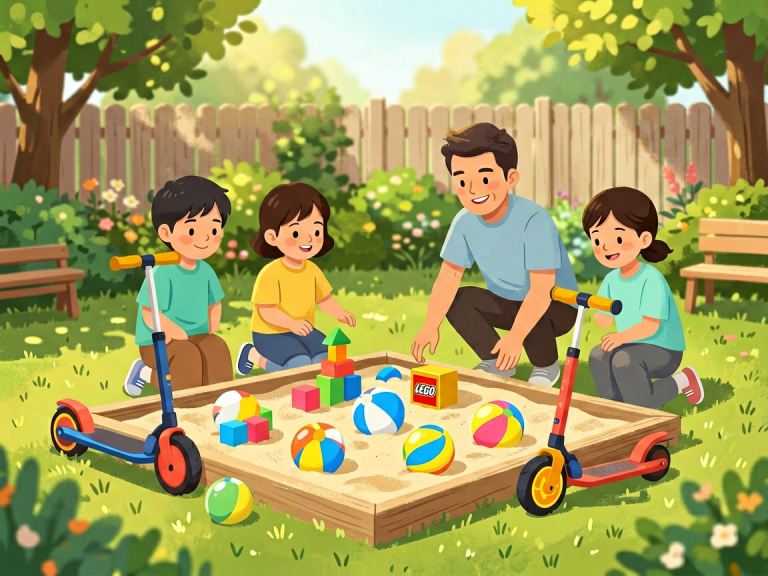
Small ride‑on toys, like push cars or balance bikes, can be found for under $50. Look for models with a low center of gravity, no sharp edges, and certification to ASTM F963. For outdoor play, consider a durable sand toy set made from BPA‑free plastic or a soccer ball made from phthalate‑free PVC. Avoid toys with long cords or strings that could become tangled.
4. Soft Toys and Plushies
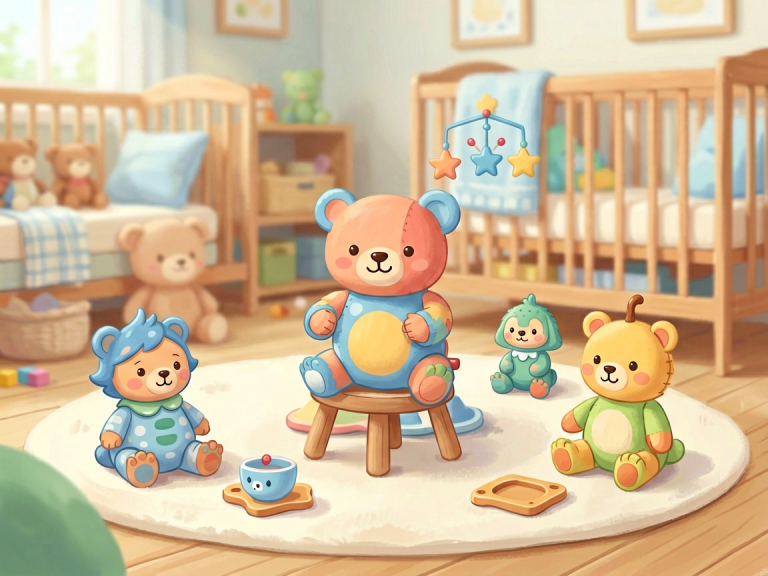
Plush toys are beloved by children of all ages. For safe options under $50, choose ones with embroidered eyes (instead of plastic buttons that can be chewed off), washable fabric, and fire‑resistant labeling. The GUND brand offers many high‑quality stuffed animals for $30–$40 that meet safety standards. Avoid plush toys with loose parts or bead fillings that could spill out.
5. Musical Instruments
Simple musical instruments, such as shakers, xylophones, and hand drums, can be safe and affordable. Look for instruments made from wood or food‑grade silicone. Avoid those with small parts like removable whistle inserts. A wooden egg shaker costs around $5, while a toddler‑friendly xylophone (with a mallet attached by a short cord) can be found for about $25.
Tips for Choosing Safe Toys on a Budget
Even with a limited budget, you can make informed decisions. Here are practical guidelines to help you select safe toys under $50 without compromising:
- Check for small parts. Use a toilet paper tube as a choking‑hazard tester: if any toy piece fits inside the tube, it is not safe for children under three.
- Read independent reviews. Sites like SafeBaby.org, The Toy Association, and consumer safety blogs often post lists of affordable, tested toys.
- Avoid toys with long cords. Any cord longer than 12 inches poses a strangulation risk for infants and toddlers.
- Buy from trusted retailers. Major stores like Target, Walmart, and Amazon (when filtering by “Amazon’s Choice” or “Certified Frustration‑Free Packaging”) often carry toys that meet safety standards. Small online shops may also be safe, but always read the product description carefully.
- Check for recalls. Before purchasing, visit the U.S. Consumer Product Safety Commission (CPSC) website to see if the toy has been recalled. Many affordable toys have been recalled due to lead paint or choking hazards, so this step is crucial.
Conclusion: Play Safe, Spend Smart
Parents and gift‑givers do not need to choose between affordability and safety. The market for safe toys under $50 is rich with options that encourage learning, creativity, and physical activity – all while meeting the highest safety standards. By understanding certifications, choosing non‑toxic materials, and using a few simple inspection techniques, you can confidently fill a child’s playroom with joy without worrying about hidden dangers.
Remember that the most expensive toy is not always the safest, and the cheapest is not always dangerous. A $15 wooden puzzle from a certified brand may be far safer than a $60 plastic playset with unsecured batteries. Invest a few minutes in research, look for those safety labels, and you will find that wonderful, affordable, and safe toys are everywhere. The smile on a child’s face – and the peace of mind in your heart – are worth every penny and every careful choice.