The Ultimate Quiet Toys Buying Guide: How to Choose Calm, Creative, and Screen-Free Playthings
—
Introduction
In a world saturated with blinking lights, electronic beeps, and constant digital noise, the value of quiet toys has never been greater. Parents, educators, and caregivers are increasingly seeking out playthings that encourage calmness, focus, and open-ended creativity without the auditory assault of battery-powered gadgets. Quiet toys are not merely “silent” alternatives; they are carefully designed tools that foster deep concentration, fine motor skills, emotional regulation, and imaginative thinking. This comprehensive buying guide will walk you through everything you need to know—from understanding what makes a toy “quiet” to age-specific recommendations, material considerations, and where to find the best options. Whether you are looking to create a peaceful playroom, support a child with sensory sensitivities, or simply reduce household noise, this guide will help you make informed, thoughtful choices.
—
What Are Quiet Toys?
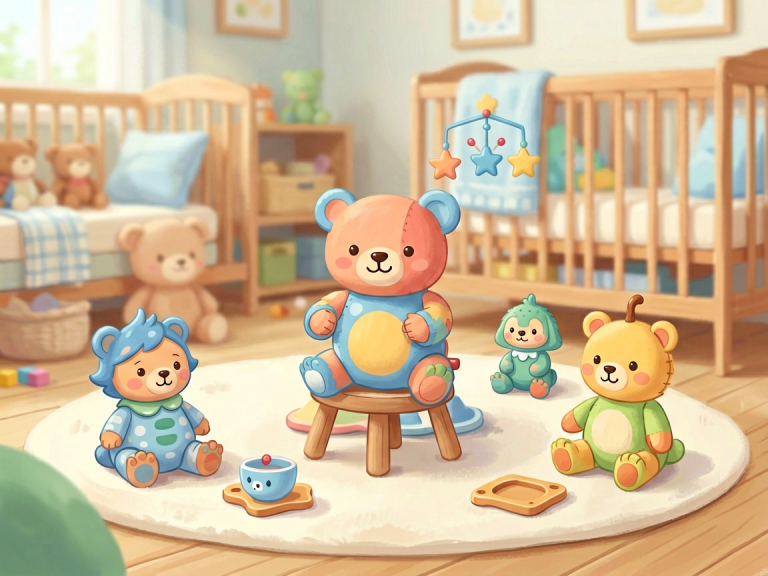
At its core, a quiet toy is any plaything that produces little to no sound during typical use. This includes wooden blocks, fabric dolls, felt play sets, puzzles, art supplies, magnetic tiles, and many Montessori-inspired materials. Unlike electronic toys that sing, flash, and talk, quiet toys rely on the child’s own imagination and physical manipulation for engagement. They are often made from natural materials such as wood, cotton, wool, or paper, and their simplicity allows children to direct the play experience rather than passively responding to programmed stimuli. Quiet toys also encompass sensory items like weighted blankets, calm-down jars, and textured balls that provide soothing input without auditory output. The key characteristic is that the primary source of “noise” is the child’s own voice, movements, or the soft rustle of fabric—never a pre-recorded song or a jarring electronic sound effect.
—
Why Choose Quiet Toys? The Benefits Beyond Silence
Choosing quiet toys is about more than preserving household peace—it’s a deliberate parenting and educational strategy with profound developmental advantages.
Promotes Deep Focus and Concentration
When a toy does not shout for attention, a child must actively choose to engage with it. This choice-based interaction cultivates sustained attention spans. Research in child development shows that open-ended, quiet play activities like building with blocks or completing a puzzle strengthen a child’s ability to concentrate without external distractions. In an age of constant notifications, this skill is more critical than ever.
Supports Emotional Regulation
Quiet toys are often used in calming corners or sensory breaks. The gentle repetition of stacking, sorting, or threading can lower heart rate and reduce anxiety. Unlike high-stimulation toys that can overexcite a child, quiet play allows the nervous system to settle. For children with autism, ADHD, or sensory processing disorders, these toys provide essential grounding.
Encourages Creativity and Problem-Solving
Without a built-in script or a pre-programmed story, quiet toys demand that children invent their own narratives. A set of wooden animals can become a jungle, a farm, or a fantasy kingdom. This open-ended play strengthens cognitive flexibility, divergent thinking, and language skills. Studies have shown that children who engage in more independent, non-electronic play develop stronger executive function abilities.
Reduces Auditory Overload
For parents, constant noise from toys can be a significant source of stress. A household filled with beeping, singing, and banging can overwhelm both adults and children. Selecting quiet toys creates a more serene environment, making family time more pleasant and allowing children to hear their own thoughts—and each other’s opinions—more clearly.
Fosters Independence
Many quiet toys are self-correcting (like puzzles) or require no external instruction. A child can explore them alone, building confidence and self-reliance. This independence is a cornerstone of Montessori and Reggio Emilia educational philosophies, which emphasize child-led learning through carefully chosen materials.
—
Key Factors to Consider When Buying Quiet Toys
Not all quiet toys are created equal. To make a wise purchase, evaluate toys based on the following criteria.
Age Appropriateness
A quiet toy that is too advanced will frustrate a child; one that is too simple will bore them. Check age recommendations on packaging, but also consider your child’s individual development. For infants, focus on soft, graspable toys with different textures. Toddlers thrive on simple puzzles, nesting cups, and shape sorters. Preschoolers enjoy more complex building sets, lacing beads, and pretend-play figurines. Older children can handle intricate wooden construction kits, advanced puzzles, and board games that emphasize strategy over speed.
Material and Safety
Quiet toys are often made from wood, fabric, or silicone. Ensure that any wood is smooth, splinter-free, and coated with non-toxic, water-based finishes. Avoid cheap paints that may contain lead or phthalates. Fabric toys should be washable and free from small buttons or loose parts that could become choking hazards. For children under three, avoid anything with a diameter smaller than 1.5 inches. Always look for certifications like ASTM (American Society for Testing and Materials) or CE (Conformité Européenne) safety marks.
Educational Value
Look for toys that teach specific skills: fine motor control, hand-eye coordination, spatial reasoning, pattern recognition, or early math and language concepts. For example, a set of wooden pattern blocks teaches geometry and symmetry, while a felt storyboard encourages narrative building. Avoid toys that claim to teach everything but offer only shallow engagement.
Open-Endedness vs. Single-Use
The best quiet toys can be used in multiple ways. A set of plain wooden blocks can become a tower, a road, a stable, or a spaceship. By contrast, a plastic toy that only makes one noise or has one function will lose its appeal quickly. Prioritize toys that adapt to a child’s changing interests.
Durability and Longevity
Quiet toys, especially wooden ones, can last for years if well-constructed. Inspect joints, hinges, and paint adhesion. Heirloom-quality toys may cost more upfront but save money in the long run because they can be passed down to siblings or sold as used.
Sensory Considerations
For children with sensory sensitivities, pay attention to texture, weight, and temperature. Some children prefer smooth, cool surfaces; others like fuzzy or bumpy textures. Weighted toys (like small beanbags or weighted stuffed animals) provide proprioceptive input that can be calming. Avoid toys that have an overwhelming scent (e.g., strong plastic smell or heavy fragrance).
—
Types of Quiet Toys: A Detailed Breakdown
1. Building and Construction Toys
Wooden blocks (unit blocks, rainbow blocks, magnetic tiles) are the classic quiet toy. They encourage STEM thinking (balance, gravity, geometry) and collaborative play. Magnetic wooden tiles, such as those from brands like Magna-Tiles (though they are plastic, they are quiet) or Tegu (wooden magnetic blocks), offer a modern twist. For older children, consider marble runs made from soft foam or wood that minimize noise.
2. Puzzles and Brain Teasers
From simple knob puzzles for toddlers to 500-piece jigsaw puzzles for school-aged kids, puzzles are excellent quiet-play staples. They develop patience, spatial awareness, and memory. Consider wooden jigsaw puzzles that fit snugly, or logic puzzles like Sudoku, tangrams, and Rubik’s cubes for older children.
3. Art and Craft Supplies
Drawing, painting, and sculpting are inherently quiet activities. Stock up on high-quality crayons, watercolor sets, modeling clay, knitting kits, or loom bands. The key is to choose non-messy options where possible—such as mess-free water coloring books or play dough that does not stain. For quiet travel, consider AquaDoodle mats or reusable sticker books.
4. Sensory and Calming Toys
These include fidget toys (silent spinners, stress balls), calm-down bottles (filled with glitter and water), weighted lap pads, and textured sensory stones. They are especially helpful for children who need proprioceptive or vestibular input. Look for items that are silent in use—avoid anything that clicks or squeaks.
5. Pretend Play Sets
Quiet pretend play often involves soft fabric dolls, felt food, wooden kitchen accessories, or dollhouses made of wood or fabric. These encourage social stories and language development without electronic sound effects. Magnetic dress-up dolls, felt board sets, and wooden train tracks are also excellent.
6. Books and Storytelling Aids
Books are the ultimate quiet toys. Interactive board books with flaps, textures, or mirrors engage babies and toddlers. For older children, consider audio books (with headphones) or story cubes that prompt oral storytelling without requiring electronic screens.
7. Music Toys (Yes, Some Are Quiet!)
While many musical instruments are loud, there are quiet alternatives. Small finger cymbals, wooden egg shakers (very soft), lap harps, and silent practice keyboards (with headphone jacks) allow musical exploration without noise complaints. For toddlers, simple wooden drums with soft mallets can be used gently.
—
Age-Specific Recommendations
Ages 0–12 Months
- Soft fabric blocks with crinkle paper (quiet crinkle sound only)
- Plush rattles that are gentle (e.g., fabric-covered bell inside)
- Wooden teething rings or silicone chew toys
- High-contrast black-and-white cloth books
- Wrist or ankle bands with small, quiet bells (not jingle bells)
Ages 1–3 Years
- Large wooden shape sorters
- Nesting cups or stacking rings
- Simple wooden pull toys (should roll silently)
- Felt busy books with zippers, snaps, and buttons
- Chunky wooden puzzles with pegs
Ages 3–5 Years
- Wooden train sets and tracks
- Magnetic wooden dress-up dolls
- Lacing beads and threading boards
- Simple board games like “First Orchard” (with no electronic parts)
- Play silks, scarves, and fabric for imaginative play
Ages 5–8 Years
- More complex wooden building sets (ikea-style blocks, Kapla planks)
- Geo boards with rubber bands
- 50–100 piece jigsaw puzzles
- Craft kits (sewing, knitting, origami)
- Simple marble run tracks (foam or wooden)
Ages 8+
- Advanced logic puzzles (metal brain teasers, Rubik’s Cube)
- Wooden engineering kits (gears, pulleys)
- Silent fidget toys (spinner rings, kneaded erasers)
- Board games that rely on strategy, not beeps (e.g., chess, checkers, Mancala)
- DIY slime or clay kits (choose low-odor, non-toxic brands)
—
Where to Buy Quiet Toys
- Specialty Online Retailers: Websites like Fat Brain Toys, Melissa & Doug (authentic products), Hape Toys, and Grimm’s offer curated quiet toys.
- Montessori Stores: Visit shop.montessori.org or local Montessori supply stores for high-quality, wooden, minimalist toys.
- Etsy: Independent artisans create unique, handmade quiet toys—felt food, wooden animals, custom busy boards.
- Farmers Markets and Craft Fairs: Local wooden toy makers often sell at markets, allowing you to inspect quality firsthand.
- Thrift Stores and Secondhand Markets: Quiet toys made of wood and fabric hold up well; buying preloved is eco-friendly and budget-friendly.
Avoid mass-market plastic toy aisles at big-box stores, as many items there are loud, battery-operated, and low-quality. However, some mainstream brands like PlanToys and EverEarth produce excellent wooden quiet toys and can be found online.
—
Conclusion
Quiet toys are more than a fad—they represent a thoughtful return to simplicity in childhood. By choosing toys that emphasize calm, creativity, and concentration, you equip your child with the tools to engage deeply with the world rather than passively consume entertainment. The quiet toys buying guide above provides a framework for evaluating options based on age, material, educational value, and sensory needs. Remember that the best quiet toy is one that sparks your child’s unique curiosity and allows them to play at their own pace—without a single beep, buzz, or battery required. In a noisy world, give your child the gift of silence, and watch how loudly their imagination speaks.