The Great Outdoors: A Guide to Choosing the Perfect Outdoor Toys for 4-Year-Olds
Introduction
At the age of four, children stand at a remarkable developmental crossroads. They have outgrown the simple sensory exploration of toddlerhood but have not yet entered the structured world of formal schooling. This is the golden age of imagination, physical coordination, and social discovery. The outdoor toys we choose for four-year-olds are not mere distractions; they are tools that shape their bodies, minds, and hearts. In an era when screens dominate childhood, the importance of outdoor play cannot be overstated. This article explores the world of outdoor toys for four-year-olds, offering a comprehensive guide for parents, educators, and caregivers who wish to nurture healthy, happy, and curious children through meaningful outdoor experiences.
Why Outdoor Play Matters for 4-Year-Olds
Before diving into specific toys, it is essential to understand why outdoor play is particularly vital at this age. Four-year-olds are in the midst of rapid gross motor development. They are learning to run with more control, jump with both feet, climb confidently, and balance on one foot for a few seconds. The outdoors provides the space and freedom to practice these skills without the constraints of indoor furniture or fragile objects.
Socially, four-year-olds are beginning to engage in cooperative play. They move from parallel play (playing alongside but not with others) to interactive play that involves sharing, taking turns, and negotiating roles. Outdoor toys that encourage group activities—such as a large sandbox or a simple ball game—become social laboratories where children learn empathy, patience, and conflict resolution.
Cognitively, the open-ended nature of outdoor play stimulates creativity. A wooden plank can become a bridge for toy cars, a boat on an imaginary ocean, or a balance beam for a circus performer. This symbolic thinking is the foundation of later academic skills like reading comprehension and mathematical reasoning. Moreover, exposure to natural elements—sunlight, fresh air, grass, mud—boosts immune systems and regulates sleep cycles. In short, outdoor toys are investments in a child’s holistic well-being.
Key Considerations When Choosing Outdoor Toys for 4-Year-Olds
Selecting the right outdoor toys requires balancing developmental appropriateness, safety, durability, and engagement. Here are the critical factors to keep in mind.
Age-Appropriate Design and Complexity
Toys for four-year-olds should challenge but not frustrate. A toy that is too simple will be abandoned quickly; one that is too complex may lead to tears or disinterest. Look for toys that offer multiple ways to play. For example, a simple tricycle can evolve from a vehicle for basic pedaling to a prop for pretend play (“I’m delivering pizzas!”). Avoid toys with tiny parts that pose choking hazards, as four-year-olds still explore with their mouths occasionally.
Safety First: Materials and Construction
Outdoor toys endure rain, sun, and rough handling. Choose toys made from non-toxic, weather-resistant materials. Wood should be smooth, splinter-free, and treated with child-safe sealants. Plastic should be BPA-free and UV-stabilized to prevent fading and cracking. Metal parts should be rustproof and free of sharp edges. Always check for stability: a playhouse must not tip over, and a climbing structure should have a wide base.
Encouraging Active vs. Quiet Play
Four-year-olds have short attention spans but high energy. The best outdoor toy collections include both active toys (for burning off energy) and quieter toys (for focused exploration). A balance bike and a set of gardening tools can coexist beautifully. Active toys help develop cardiovascular fitness and coordination; quiet toys foster observation and fine motor skills. Neither should dominate.
Storage and Portability
Outdoor toys often need to be stored when not in use, especially in climates with harsh weather. Consider the size of your yard or balcony. Inflatable pools and large playsets require significant space. Smaller items like buckets, shovels, and balls can be kept in a waterproof bin. If you live in an apartment with a small balcony, prioritize collapsible or stackable toys.
Gender-Neutral Options
At age four, children are exploring gender identities but are still open to all kinds of play. Avoid rigidly gendered toy categories. A toy kitchen set for outdoor mud play is just as suitable for boys as for girls. A digger and dump truck set appeals to anyone who loves moving dirt. Choose toys based on interests and skills, not stereotypes.
Top Categories of Outdoor Toys for 4-Year-Olds
Now, let us explore specific types of outdoor toys that are excellent choices for four-year-olds, organized by the developmental benefits they offer.
Riding and Balancing Toys: Building Gross Motor Skills
Riding toys are classics for a reason. At age four, many children are ready to graduate from push-along toys to those that require pedaling or balancing. Balance bikes—bicycles without pedals—are exceptional for teaching equilibrium. Children propel themselves with their feet, gradually learning to glide and steer. This sets the stage for a seamless transition to a pedal bike around ages five or six. Other options include tricycles (with or without push handles for parents), scooters with three wheels for stability, and roller skates designed for beginners (with adjustable straps and large, soft wheels). For safety, always require a properly fitted helmet and knee/elbow pads.
Active Play Structures: Climbing, Sliding, and Swinging
A small playset with a slide, a toddler-friendly climbing wall, and a swing is a classic investment that can provide years of fun. However, space and budget constraints may lead to simpler alternatives. A standalone swing (tire swing or bucket swing) can be hung from a sturdy tree branch or a metal frame. A collapsible play tunnel invites crawling and hiding. A small wooden climbing dome (often called a “monkey bar” structure) allows children to climb without heights being intimidating. Always anchor playsets securely and place them on soft surfaces like rubber mulch or sand.
Sand and Water Play: Sensory Exploration and Creativity
Sandboxes and water tables are arguably the most versatile outdoor toys for four-year-olds. They encourage tactile exploration, fine motor skills (scooping, pouring, sifting), and imaginative play. A sandbox should have a cover to keep out animals and debris. Add accessories like buckets, shovels, molds, and toy trucks. For water play, a sturdy water table with two compartments allows for separate wet and dry activities. Add floating toys, cups, and a small watering can. Remember that water play requires constant adult supervision, even in shallow containers.
Sports and Ball Games: Cooperative Play and Coordination
Simple sports equipment introduces four-year-olds to the basics of teamwork and hand-eye coordination. A soft soccer ball (size 3) is light enough to kick without causing injury. A foam tennis racket and a large, bouncy ball can be used for gentle hitting. A pop-up play tent for bean bag toss or a small basketball hoop with an adjustable height are also excellent. The key is to focus on fun, not competition. Games like “roll the ball back and forth” or “kick the ball to the goal (mommy)” teach turn-taking and following simple rules.
Creative and Imaginative Play: Outdoor Dramatic Play
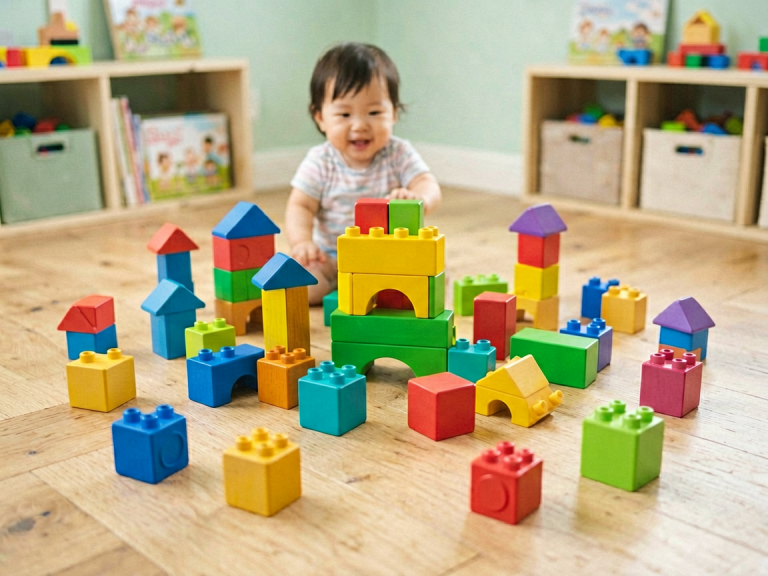
Four-year-olds love pretending, and the outdoors can become a stage. A kid-sized picnic table or a small playhouse becomes a home for doll families. A toy gardening set with child-safe tools (plastic trowels, watering cans, gloves) allows children to dig, plant seeds, and water flowers. A set of large building blocks (like LEGO Duplo or foam blocks) can be used to create castles or forts on the lawn. For warmer days, a small inflatable pool (unfilled) can become a “lake” for toy boats. The beauty of these toys is that they encourage open-ended storytelling.
Nature Exploration Kits: Connecting with the Environment
At four, children are natural scientists. A child-sized magnifying glass, a bug catcher (with a magnifying lid), a pair of binoculars, and a nature notebook can cultivate a lifelong love of exploration. Kits that include a butterfly net, a compass, and a simple field guide to local birds or insects turn a walk in the yard into an expedition. Even a simple digging tool can reveal earthworms and roots. These toys teach patience, observation, and respect for living things.
Safety Tips for Outdoor Play with 4-Year-Olds
No guide to outdoor toys is complete without addressing safety. Here are essential precautions.
Supervision and Age-Appropriate Boundaries
Always supervise four-year-olds during outdoor play, especially near water, traffic, or climbing structures. Set clear boundaries: “You can climb to the second bar, but not to the top.” Explain why in simple terms. Teach children to say “I need help” or “I’m scared” instead of panicking.
Sun Protection and Hydration
Outdoor play exposes children to UV rays. Apply broad-spectrum sunscreen (SPF 30+) 15 minutes before play, and reapply every two hours. Provide a wide-brimmed hat and UV-protective sunglasses. Encourage hydration breaks. Avoid peak sun hours (10 a.m. to 4 p.m.) if possible.
Equipment Maintenance
Regularly inspect toys for wear and tear. Check swings for rusted chains, slides for splinters, and plastic toys for cracks. Remove broken toys immediately. Ensure that all fasteners are tight and that movable parts move smoothly.
Traffic and Driveway Safety
If your home has a driveway or is near a street, teach your child never to run after a ball or toy that rolls into the street. Create a physical barrier (e.g., a low fence) if possible. Use sidewalk chalk to mark “play zones.”
Conclusion
Choosing outdoor toys for a four-year-old is an act of love and intention. It is about creating a childhood rich in movement, imagination, and connection to the natural world. From balance bikes that teach coordination to sandboxes that spark creativity, each toy contributes to the complex tapestry of development. As you shop, remember that the best toy is not the most expensive or the one with the most features—it is the one that invites your child to run, laugh, explore, and grow. So put down the tablet, open the back door, and let the adventure begin. The great outdoors is waiting, and with the right toys, your four-year-old will be ready to discover it all.