How to Choose Age-Appropriate Toys: A Comprehensive Guide for Parents and Caregivers
Introduction
Selecting the perfect toy for a child can feel like navigating a labyrinth of colors, sounds, and marketing claims. Walk into any toy store, and you are immediately bombarded with shelves upon shelves of options, each promising to be the next must-have item. Yet, beneath the glittering packaging and celebrity endorsements lies a critical question: Is this toy truly right for my child? The answer depends not only on the child’s age but also on their developmental stage, interests, and safety needs. Choosing age-appropriate toys is not merely about preventing choking hazards or avoiding frustration; it is about fostering cognitive growth, motor skills, social-emotional development, and a lifelong love of learning. In this article, we will explore the principles behind selecting toys that match a child’s developmental milestones, break down recommendations for each age group, and provide practical tips to help you make informed decisions.
Understanding Child Development Stages
Before diving into specific toy categories, it is essential to understand that children grow and change at remarkably different rates. While age is a useful benchmark, it is not a strict rule. A three-year-old may have the language skills of a four-year-old but the fine motor control of a younger child. Therefore, age-appropriate toy selection should be guided by observing the child’s individual abilities and interests rather than relying solely on the label. Developmental milestones are typically grouped into domains: physical (gross and fine motor), cognitive (thinking, problem-solving), language, and social-emotional. A good toy will challenge the child just enough to promote growth without causing undue frustration or boredom. For example, a puzzle with large knobs is perfect for a toddler learning to grasp, while a 50-piece jigsaw would overwhelm them. Understanding where your child falls on this spectrum is the first step.
Safety First: The Non-Negotiable Rule
No discussion of age-appropriate toys can begin without emphasizing safety. All toys should be free of sharp edges, toxic materials, and small parts that can be swallowed or inhaled. The American Academy of Pediatrics and the Consumer Product Safety Commission provide clear guidelines. For children under three, any toy that fits inside a toilet paper roll (approximately 1.25 inches in diameter) is considered a choking hazard. Additionally, avoid toys with long strings or cords that could pose strangulation risks, batteries that are easily accessible, and magnets that can be ingested. Always check for safety certifications such as ASTM (American Society for Testing and Materials) or CE marking. Remember, a toy that is perfectly safe for a seven-year-old may be lethal for a one-year-old. When in doubt, err on the side of caution and choose larger, simpler items.
Infants (0–12 Months): Sensory and Motor Development
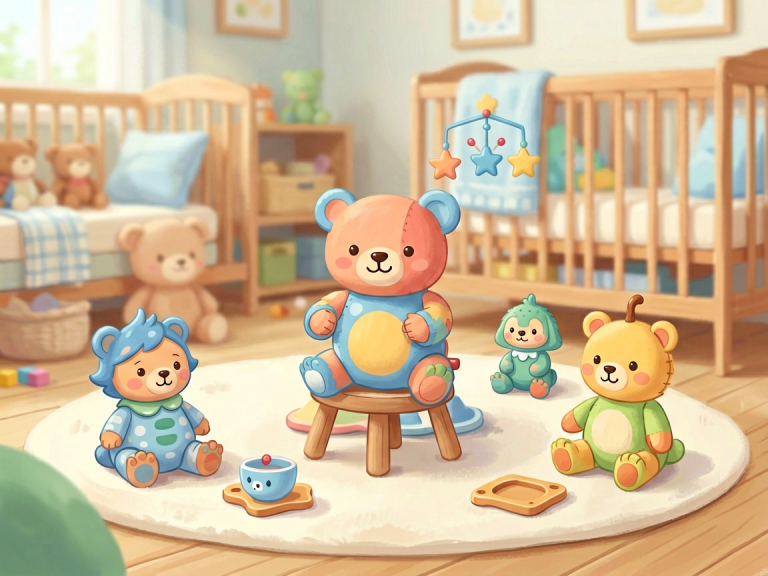
For the youngest children, the world is a symphony of new sensations. Babies learn through their senses—touching, tasting, seeing, hearing, and even smelling. Age-appropriate toys for infants should stimulate these senses while supporting emerging motor skills. From birth to about three months, high-contrast black-and-white patterns, soft rattles, and unbreakable mirrors capture attention. As babies begin to reach and grasp (around four to six months), toys like fabric blocks, teething rings, and activity gyms with dangling objects encourage hand-eye coordination. Between six and twelve months, babies start sitting up, crawling, and eventually pulling to stand. This is the perfect time for stacking cups, push-and-pull toys (without long cords), and simple cause-and-effect toys like a busy box with buttons and levers. Soft books with crinkly pages or different textures also foster early literacy. Avoid electronic toys that light up and play loud music continuously—they can overstimulate and interfere with natural learning. Instead, opt for toys that respond to the baby’s actions, such as a ball that makes a gentle sound when rolled.
Toddlers (1–3 Years): Exploration and Independence
The toddler years are characterized by an explosion of mobility and independence. Children in this age group are walking, climbing, and beginning to speak in short phrases. They are also developing a sense of autonomy and love to imitate adult activities. Toys for toddlers should encourage exploration, problem-solving, and imaginative play, all while being durable enough to withstand enthusiastic handling. Building blocks (large, lightweight ones) are a classic choice—they teach spatial awareness, balance, and creativity. Simple wooden train sets, shape sorters, and nesting toys promote fine motor skills and logical thinking. Toddlers also enjoy role-playing toys like play kitchens, tool benches, or dollhouses. These foster social and language development as they mimic everyday routines. Art supplies such as washable crayons, finger paints, and play dough are excellent for sensory exploration and self-expression. However, be mindful of non-toxic labels and supervise closely to avoid ingestion. Ride-on toys without pedals (like balance bikes) help develop gross motor skills and coordination. Avoid toys with small parts that can break off, and always check for loose components. Electronic toys with touchscreens are best avoided at this age because research shows that passive screen time does not promote the same developmental benefits as hands-on play.
Preschoolers (3–5 Years): Imagination and Social Skills
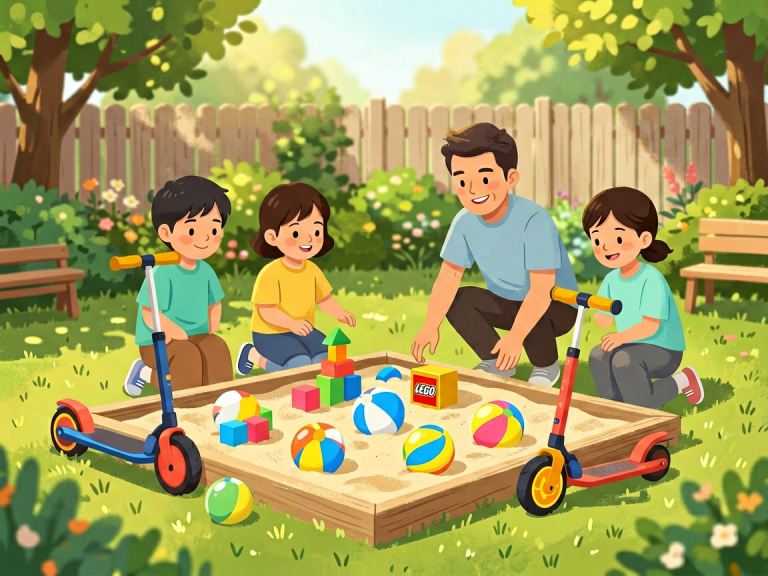
Preschoolers are masters of make-believe. Their cognitive abilities have expanded significantly, allowing them to engage in complex pretend play, follow simple rules, and understand cause and effect. This is the golden age for toys that encourage storytelling, social interaction, and early academic skills. Construction sets like LEGO Duplo or magnetic tiles help with creativity and problem-solving. Puzzles with 12 to 24 pieces improve concentration and visual discrimination. Board games designed for young children, such as Candy Land or simple memory games, teach turn-taking, patience, and basic counting. Art projects become more sophisticated—child-safe scissors, glue sticks, and markers allow for cutting, pasting, and drawing. Dramatic play costumes (firefighter hats, chef aprons, doctor kits) fuel imagination and empathy. Science kits aimed at preschoolers, like making slime or growing crystals, introduce early STEM concepts in a playful way. At this stage, children also enjoy musical instruments (xylophones, drums, maracas) that allow them to explore rhythm and sound. One important consideration: avoid toys that promote gender stereotypes or violence. Instead, offer a diverse range of options that appeal to all interests. Also, be careful with toys that require batteries or have small components, as preschoolers still occasionally put objects in their mouths.
School-Age Children (6–12 Years): Complexity and Challenge
Entering school marks a major cognitive leap. Children in this age group develop logical thinking, reading skills, and the ability to follow multi-step instructions. They also start forming friendships and engage in cooperative play. Toys should now offer more complexity, challenge, and opportunities for mastery. Board games like Monopoly, chess, or Settlers of Catan (simplified versions) teach strategy, math, and social skills. Building sets become more intricate—LEGO Technic, K’Nex, or model kits require patience and fine motor dexterity. Science and robotics kits, such as Snap Circuits or programmable robots, introduce engineering and coding concepts. Art and craft kits—friendship bracelet makers, pottery wheels, or sewing machines—allow for creative expression. Sports equipment (basketballs, skateboards, bicycles) encourages physical activity and teamwork. Collectible card games (like Pokémon) and trading cards can also be beneficial if balanced with other activities, as they involve reading, arithmetic, and social negotiation. At this age, children often develop specific hobbies, whether it’s collecting rocks, building forts, or playing a musical instrument. Pay attention to their passions and support them with appropriate tools and materials. However, be wary of overly commercialized toys that emphasize brand loyalty over creativity. Also, consider digital toys: age-appropriate video games and coding apps can be educational if used in moderation, but they should not replace physical play. Remember that school-age children still benefit from open-ended toys like art supplies, books, and outdoor play equipment.
Teens (13+): Hobbies and Interests
Adolescence brings a new set of challenges and opportunities. Teenagers are developing their identities, critical thinking, and advanced skills. While they may seem less interested in traditional toys, they still engage in play through hobbies, technology, and social activities. Age-appropriate “toys” for teens include sophisticated hobby kits (electronics, woodworking, astronomy telescopes), musical instruments, sports gear, and creative tools like digital drawing tablets or cameras. Board games for older players (Catan, Ticket to Ride, strategy games) provide family bonding and mental stimulation. Puzzles with 500–1000 pieces offer a relaxing challenge. Many teens also enjoy building models (cars, airplanes, ships) or engaging in crafting like knitting, origami, or jewelry making. Gift-giving for this age is best done by listening to their specific interests rather than assuming what is popular. Avoid gifting anything that feels babyish; instead, opt for items that respect their maturity while still allowing for creativity and stress relief.
Toy Quality and Longevity
Regardless of age, quality matters. Well-made toys from reputable manufacturers last longer, are safer, and often provide more educational value than cheap, flimsy alternatives. Look for toys made from sustainable materials like wood, organic cotton, or recycled plastic. Consider toys that grow with the child—for example, adjustable art easels, modular building sets, or books that can be read at different comprehension levels. Also, think about the toy’s “open-endedness”: a simple set of cardboard boxes can be a castle, a spaceship, or a puppet theater, while a single-purpose electronic toy may be discarded after a week. Encourage children to care for their toys, and rotate toys periodically to maintain interest.
Conclusion
Choosing age-appropriate toys is a thoughtful process that balances safety, developmental needs, and the child’s unique personality. By understanding the stages of growth—from the sensory world of infants to the complex hobbies of teens—you can select toys that not only entertain but also educate and inspire. Remember that the best toy is often one that invites interaction, sparks curiosity, and fosters connection between the child and the people around them. So, the next time you stand in front of a bustling toy aisle, take a deep breath, look beyond the flashy packaging, and ask yourself: Will this toy help my child grow, learn, and laugh? If the answer is yes, you have found the perfect gift.