The Enduring Value of Safe Toys: Building a Foundation for Play, Growth, and Peace of Mind
Introduction: Why Safety and Longevity Matter in Childhood Play
In a world saturated with fast‑fashion trends and disposable consumer goods, the toys we give our children often reflect a troubling paradox: they are designed to be cheap, flashy, and quickly discarded. Yet parents, educators, and child development experts increasingly recognize that the most meaningful toys are not the ones that shout the loudest or arrive in the most extravagant packaging. Instead, they are the ones that respect a child’s safety, endure the wear and tear of daily play, and grow with the child over time. The concept of “safe toys that last for kids” is more than a marketing tagline—it is a philosophy that prioritizes health, environmental responsibility, and the quality of childhood experiences. This article explores the essential principles behind safe, durable toys, examines the materials and design choices that contribute to both safety and longevity, and offers practical guidance for parents and caregivers who wish to invest wisely in their children’s play.
1. Defining Safety in the Context of Childhood Play
Safety is the non‑negotiable foundation of any toy intended for children. However, the term “safe” encompasses far more than the absence of sharp edges or small parts that pose choking hazards. A truly safe toy must be free from toxic chemicals, adhere to rigorous international safety standards, and be designed with the child’s developmental stage in mind.
1.1 Chemical Safety: What Goes Into the Toy Matters
One of the most insidious threats to children’s health comes from hidden chemicals. Many inexpensive plastic toys contain phthalates, bisphenol A (BPA), lead, cadmium, and other heavy metals that can leach out when chewed or handled. Exposure to these substances has been linked to hormonal disruption, developmental delays, and long‑term health issues. Safe toys are made from materials that have been tested and certified free of such toxins. For example, high‑quality wooden toys are often finished with water‑based, non‑toxic paints or natural oils. Silicone toys, when made from food‑grade silicone, are inert and do not release harmful compounds. Even textiles—such as organic cotton or wool—should be tested for flame retardants and pesticides. Parents should look for labels like EN71 (European standard), ASTM F963 (American standard), or the CE mark, which indicate that the toy has undergone rigorous chemical and physical testing.
1.2 Physical Safety: Design That Protects While It Engages
Beyond chemistry, physical design determines whether a toy can be used safely over time. This includes the absence of splinters, pinch points, or loose parts that could break off and become a hazard. Durable toys are often constructed with rounded corners, reinforced seams, and secure fastenings. For infants and toddlers, choking hazard regulations dictate that parts must be larger than a certain diameter; reputable manufacturers adhere to these guidelines scrupulously. Moreover, a safe toy should be easy to clean—because children inevitably put toys in their mouths, and accumulated dirt and bacteria can pose health risks. Wooden toys that can be wiped down with mild soap and water, or silicone toys that are dishwasher‑safe, meet this criterion effectively.
2. The Virtues of Durability: Why Lasting Toys Are Better for Children
While safety is paramount, durability is equally critical. A toy that breaks after a few weeks not only frustrates a child but also introduces potential safety hazards from cracked plastic or splintered wood. Moreover, durable toys support a child’s developing sense of attachment and mastery. When a toy survives months of imaginative play, building, dropping, and even occasional tantrums, it becomes a trusted companion—a reference point for learning and emotional security.
2.1 Developmental Benefits of Long‑Lasting Toys
Children learn through repetition and exploration. A sturdy wooden train set, for instance, can be used by a toddler to practice stacking, by a preschooler to create elaborate track layouts, and by a school‑age child to act out stories with miniature figures. This multi‑stage use means the toy “grows” with the child, providing cognitive challenges that evolve over time. In contrast, a flimsy plastic train that derails easily or loses its wheels after a few uses teaches frustration rather than problem‑solving. Durable toys also encourage deeper engagement: a child who knows their toy won’t break is more likely to experiment, take risks in play, and develop creativity. This resilience in the toy itself mirrors the resilience we want to cultivate in children.
2.2 Economic and Environmental Sense
From a practical standpoint, investing in safe, lasting toys is economically wise. While a high‑quality wooden block set may cost more upfront than a bag of cheap plastic bricks, the wooden set can be passed down to younger siblings, donated, or even resold. The cheap plastic bricks, on the other hand, often end up in landfills within months. According to the Ellen MacArthur Foundation, the toy industry generates enormous waste—much of it non‑biodegradable plastic. Choosing toys made from sustainable materials like FSC‑certified wood, natural rubber, or recycled materials reduces a family’s environmental footprint. Moreover, the longer a toy lasts, the less frequently it needs to be replaced, saving money and reducing resource consumption.
3. Materials and Construction: The Anatomy of a Safe, Durable Toy
Understanding what makes a toy both safe and durable requires a closer look at materials and construction methods. Not all plastics are created equal, and not all wood is the same.
3.1 Wood: The Timeless Champion
Solid wood, particularly hardwoods like maple, beech, or birch, is one of the best choices for children’s toys. It is inherently strong, resistant to splintering when properly sanded, and can withstand years of use. Unlike softwoods (such as pine), which dent easily, hardwoods resist compression and impact. The finishing is crucial: non‑toxic, water‑based paints or natural waxes seal the wood without releasing harmful fumes. Additionally, wooden toys that are assembled with dovetail joints or sturdy screws (rather than cheap glue) will not come apart easily. Brands like Grimm’s, PlanToys, and Hape exemplify these standards, using sustainable forestry and rigorous safety testing.
3.2 Silicone and Natural Rubber: Flexibility Without Toxins
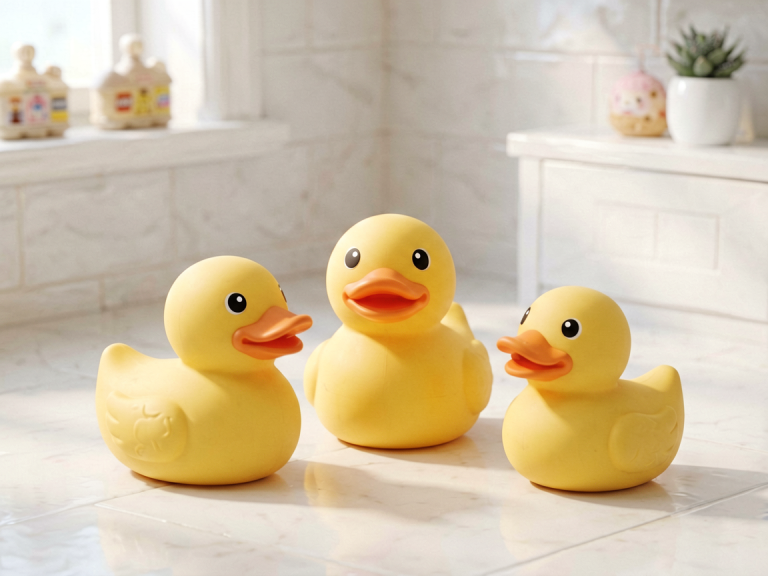
For teething toys, bath toys, and soft play items, food‑grade silicone and natural rubber offer an excellent combination of safety and durability. Unlike PVC or low‑grade plastics, these materials do not contain BPA, phthalates, or latex (in the case of silicone). They are flexible enough to withstand chewing but tough enough not to tear. High‑quality silicone toys are also extremely resistant to mold and bacteria when properly dried, and they can be sterilized by boiling—a major advantage for infant toys. Brands like Lovevery and Sophie the Giraffe (made from natural rubber) have built reputations on these material choices.
3.3 Metal, Fabric, and Innovative Sustainable Materials
Metal toys—such as high‑quality toy cars or construction sets made from stainless steel or aluminum—can be extremely durable if finished with non‑toxic, chip‑resistant paint. However, sharp edges and heavy weight limit their use to older children. Fabric toys, such as stuffed animals and dolls, should be made from organic cotton or wool with securely stitched seams and nontoxic stuffing (like polyester fiberfill that meets OEKO‑TEX standards). An emerging category is bioplastics derived from corn or sugarcane, which are biodegradable yet strong enough for toys—though parents should verify that these materials are free from chemical additives and meet safety standards.
4. Design Principles That Promote Longevity and Safety
A toy’s design—not just its material—determines how well it resists breakage and how safely it can be used. Simplicity often wins over complexity in the quest for durability.
4.1 Open‑Ended Play: Toys That Don’t Become Obsolete
Toys that dictate a single use or follow a fixed script (e.g., a battery‑operated robot that only repeats pre‑programmed phrases) tend to lose their appeal quickly and often break when the electronics fail. In contrast, open‑ended toys—such as building blocks, loose parts, art supplies, and simple dolls—allow children to create their own narratives. These toys are rarely “finished” and therefore remain engaging for years. Their mechanical simplicity (few moving parts, no electronics) also means fewer failure points. A well‑made set of plain wooden blocks can be used from infancy through elementary school, teaching physics, geometry, and creativity without ever needing a software update.
4.2 Modular and Repairable Design
Another key feature of lasting toys is modularity. If a toy can be disassembled and reassembled, broken parts can be replaced rather than discarding the whole item. Some high‑end construction sets (like certain magnetic tile systems) allow individual tiles to be swapped. Similarly, wooden train tracks often have standard connectors, so a broken piece can be substituted. Parents should check whether the manufacturer offers replacement parts or repairs—a sign that the company values longevity over planned obsolescence.
4.3 Age‑Appropriate Complexity Without Compromising Safety
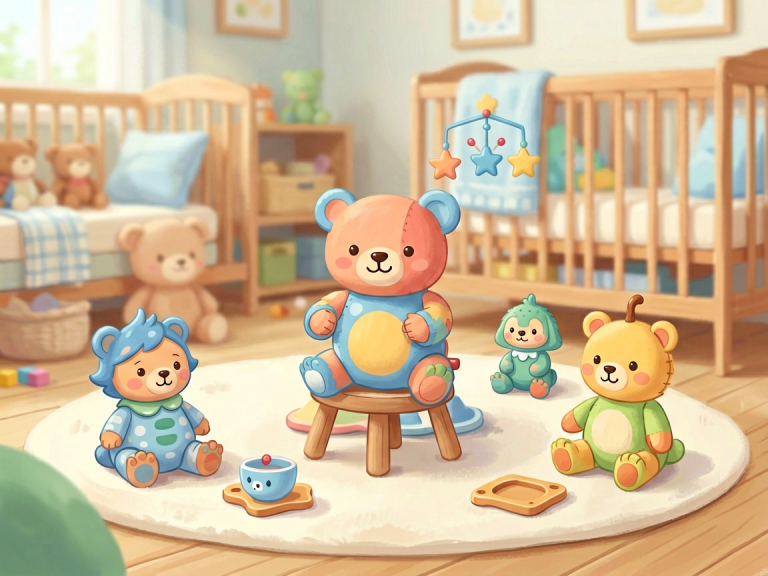
Design that matches a child’s developmental stage reduces the risk of frustration (leading to rough handling) and physical danger. For an infant, a toy should be large enough to prevent swallowing, soft enough to avoid injury, and easy to grasp. For a toddler, push‑and‑pull toys with stable bases prevent tipping. For preschoolers, construction toys should have pieces that snap together firmly but can be separated by small hands. By aligning the design with the child’s abilities, manufacturers reduce the likelihood of breakage from misuse and the temptation to force parts.
5. Practical Guidance for Choosing Safe, Lasting Toys
With so many options in the market, how can parents and caregivers make informed decisions? A systematic approach helps.
5.1 Research Brands and Certifications
Before purchasing, look up the brand’s safety record and read reviews that mention longevity. Seek certifications from recognized bodies: the Forest Stewardship Council (FSC) for wood, the Global Organic Textile Standard (GOTS) for fabrics, and toy‑specific safety marks mentioned earlier. Avoid toys with vague claims like “eco‑friendly” without third‑party verification. Websites such as Good Guide or the Toy Safety Network provide independent assessments.
5.2 Examine the Toy in Person
When possible, inspect the toy physically. Check for rough edges, loose components, strong chemical odors, and the overall weight and feel. A toy that feels flimsy in your hands will likely break quickly. Pull on seams, twist parts, and imagine how a child might use (or abuse) it. If you can easily see a weak point—such as a thin plastic hinge—it is a red flag.
5.3 Prioritize Timeless Over Trendy
Fad toys tied to movies or viral trends often have short shelf lives, both in terms of popularity and physical durability. The toy may be made cheaply to capitalize on a brief surge in demand. Instead, choose classic designs that have stood the test of time: simple dolls, wooden blocks, puzzles, art materials, and construction sets. These toys are less likely to go out of style and more likely to withstand the test of use.
5.4 Consider Second‑Hand and Hand‑Me‑Down Toys
One of the most sustainable—and often safest—choices is a well‑made used toy. Wooden blocks from thirty years ago, if still intact, are likely made from solid hardwood and non‑toxic paints that have already been proven safe. When buying second‑hand, however, ensure the toy meets current safety standards, especially for items that may contain lead paint (banned since the 1970s in many countries) or small parts that could have become loose. A quick online search for the brand and production era can provide guidance.
Conclusion: A Legacy of Play
Choosing safe toys that last for kids is not about chasing the latest innovation or the cheapest price tag. It is an investment in a child’s health, learning, and emotional development, as well as in the health of our planet. A toy that endures—free from toxins, sturdy enough for thousands of interactions, and open enough to spark endless creativity—becomes more than an object. It becomes a vessel for memories, a tool for growth, and a testament to the belief that childhood deserves both safety and longevity. In a disposable world, the toys that last are the true treasures—ones that can be handed down from sibling to sibling, from generation to generation, carrying not just play but a legacy of care. Every child deserves such toys, and every parent can learn to choose them with confidence.