Building the Future: How Science Kits and Building Toys Shape Young Minds
Introduction
In an age dominated by screens and passive consumption of digital content, a quiet revolution is taking place in playrooms and classrooms around the world. Science kits and building toys—from simple wooden blocks to sophisticated robotics sets—are reclaiming their place as essential tools for childhood development. These hands-on learning instruments are not merely sources of entertainment; they are powerful catalysts for cognitive growth, creativity, and problem-solving skills. As parents, educators, and policymakers grapple with how best to prepare children for an increasingly complex and technology-driven world, the humble science kit and building toy emerge as unsung heroes in the educational landscape.
The Historical Evolution of Building Toys
The concept of learning through construction is not new. Friedrich Froebel, the founder of kindergarten, introduced "gifts"—geometric building blocks—in the early 19th century to teach children about form, symmetry, and spatial relationships. Since then, building toys have evolved dramatically. The introduction of LEGO bricks in 1958 revolutionized the industry, offering interlocking plastic blocks that allowed for infinite creativity. Meanwhile, science kits trace their lineage to Victorian-era chemistry sets and electrical experiment kits, which promised to turn curious children into amateur scientists. Today's market offers everything from snap-together circuits to programmable robots, reflecting a century of innovation in educational toys.
The Cognitive Benefits of Hands-On Play
Developing Spatial Reasoning and Problem-Solving
Research in developmental psychology consistently demonstrates that building toys enhance spatial reasoning skills. When a child stacks blocks to create a tower or connects gears to make a mechanism work, they are engaging in three-dimensional thinking. This ability to visualize objects in space and understand how they relate to one another is a strong predictor of success in STEM fields—science, technology, engineering, and mathematics. Studies have shown that children who frequently play with construction toys perform better on tests of mental rotation and spatial visualization. These skills are not innate; they must be practiced, and building toys provide an ideal medium.
Encouraging Trial-and-Error Learning
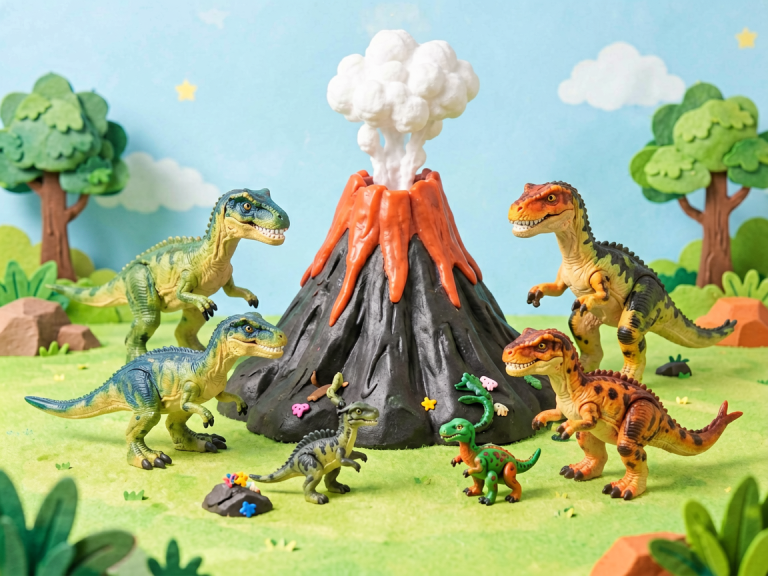
Science kits, in particular, foster a mindset of experimentation. When a young chemist mixes baking soda and vinegar to create a volcanic eruption, or when a budding engineer attempts to build a bridge that can support a heavy load, they learn that failure is not an endpoint but a stepping stone. Each unsuccessful attempt teaches a lesson: too much vinegar, not enough support at the base, or gears that are misaligned. This iterative process—hypothesize, test, observe, adjust—mirrors the scientific method itself. Children internalize the idea that mistakes are valuable data points, a lesson that serves them well in academic and professional settings.
Building Executive Function
Executive functions—working memory, cognitive flexibility, and inhibitory control—are the mental skills that help us plan, focus attention, and juggle multiple tasks. Building toys naturally exercise these abilities. Following instructions for a complex LEGO set requires sustained attention and the ability to hold multiple steps in working memory. Creating an original design demands cognitive flexibility—the ability to shift strategies when a structure collapses. Moreover, the satisfaction of completing a project reinforces self-regulation and delayed gratification. These are the same skills that predict academic success, career readiness, and even physical health.
The Role of Science Kits in STEM Education
Bridging Theory and Practice
Science kits transform abstract concepts into tangible experiences. A textbook explanation of photosynthesis may be quickly forgotten, but a kit that allows a child to grow plants under different light conditions creates a lasting memory. Similarly, a robotics kit that teaches basic programming concepts makes code visible and interactive; children can see their instructions come to life as a motor turns or a sensor activates. This alignment between theory and practice is crucial for deep learning. When children manipulate variables and observe outcomes firsthand, they build intuitive understanding that complements formal instruction.
Encouraging Curiosity and Lifelong Learning
Perhaps the most profound impact of science kits is their ability to ignite curiosity. A child who discovers the chemical reaction that makes a glow stick light up may become fascinated by chemistry. A young maker who builds a solar-powered car might develop an interest in renewable energy. Science kits often come with booklets or online resources that provide context—explaining the principles behind each experiment. This self-directed learning empowers children to explore topics beyond the classroom, fostering a habit of inquiry that lasts a lifetime.
Addressing the Gender Gap in STEM
For decades, science kits were marketed predominantly to boys, with packaging featuring rockets, robots, and "action" themes. However, recent efforts have broadened the appeal. Companies now offer kits focused on astronomy, ecology, and coding that feature diverse role models and inclusive imagery. Studies indicate that when girls are given access to building toys and science kits, their interest in STEM fields increases significantly. Early exposure is critical; by the time children reach middle school, gender stereotypes about science and engineering are often already firmly entrenched. Toys that challenge these stereotypes from the start can make a meaningful difference.
Building Toys and Creativity: Beyond Instructions
The Balance Between Guided and Free Play
One frequent criticism of modern building toys is that they are too prescriptive. Sets with detailed instructions for a single model—such as a Star Wars spaceship or a Harry Potter castle—can limit creative expression. However, research suggests that the most effective building toys offer a balance. Following instructions teaches patience, reading comprehension, and systematic thinking. But the true value emerges when children deviate from the blueprints, combining pieces in unexpected ways or inventing new structures altogether. Many high-quality science kits and building toys encourage open-ended exploration, providing components that can be rearranged and repurposed.
The Maker Movement and DIY Culture
The rise of the maker movement has reinvigorated interest in building and tinkering. Platforms like Arduino, Raspberry Pi, and LittleBits have made electronics accessible to children as young as eight. These kits are not just toys; they are entry points into the world of engineering and invention. Children can build a motion-sensing alarm, a weather station, or a musical instrument. The process of designing, prototyping, and debugging is deeply satisfying and mirrors professional engineering practices. Moreover, the communal aspect of maker fairs and online forums allows young builders to share their creations, receive feedback, and collaborate—skills that are increasingly valued in the modern workforce.
Social and Emotional Development Through Collaborative Play
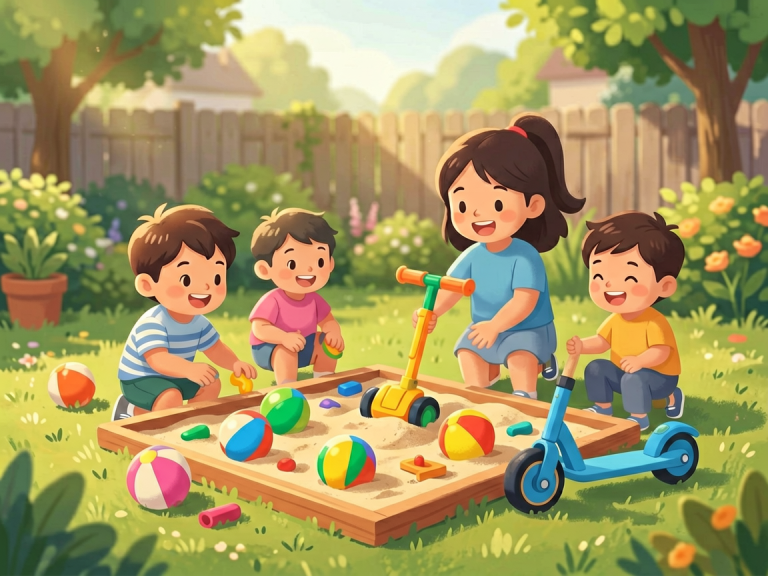
Building toys and science kits are rarely solitary pursuits. Siblings, friends, and parents often gather around a construction project, negotiating roles, sharing ideas, and celebrating successes. This collaborative play teaches essential social skills: communication, compromise, and teamwork. When a group of children works together to build a marble run or to program a robot to navigate a maze, they learn to articulate their thoughts, listen to others, and resolve conflicts constructively. These experiences build empathy and resilience—qualities that are just as important as academic knowledge.
Furthermore, completing a challenging project provides a powerful boost to self-esteem. A child who spends hours carefully assembling a complex model experiences a sense of accomplishment that transcends mere play. This feeling of mastery—of having brought something into existence through effort and skill—is deeply motivating. It encourages children to take on new challenges and to persist through difficulties, a mindset that psychologists call a "growth orientation."
The Role of Technology in Modern Science Kits
The digital revolution has not bypassed the world of hands-on play. Many contemporary science kits integrate smartphone apps, augmented reality, or programmable components. For example, a kit that lets children build a model of the solar system can overlay planetary orbits on a tablet screen, creating a mixed-reality experience. Coding robots like Sphero or LEGO Mindstorms combine physical construction with digital programming, teaching logic and sequencing in a tangible way. Critics worry that technology might overshadow the hands-on component, but when used thoughtfully, digital enhancements can deepen learning rather than distract from it.
However, a balance must be struck. The most effective science kits use technology as a tool, not a crutch. A child who simply watches a robot move on a screen learns less than one who physically connects wires and sensors. The tactile, kinesthetic aspects of building cannot be replaced by digital simulations. Therefore, the best kits are those that seamlessly blend the physical and digital, using each medium for what it does best.
Practical Considerations for Parents and Educators
Selecting the right science kit or building toy depends on the child's age, interests, and developmental stage. For toddlers, large, safe blocks and simple stacking toys develop fine motor skills and spatial awareness. For elementary-aged children, kits that introduce basic principles of physics—such as pulleys, levers, and gears—are excellent. Kits that allow for multiple levels of complexity and can be used over several years offer the best value. It is also important to choose kits that encourage open-ended play rather than rigid adherence to instructions.
Educators are increasingly incorporating these toys into formal curricula. Schools have established "makerspaces" where students can tinker and build across subjects. A history lesson may involve constructing a model of a medieval castle; a biology unit may use a kit to simulate DNA replication. The hands-on approach engages diverse learners, particularly those who struggle with traditional lecture-based instruction. Moreover, it aligns with the principles of project-based learning, which research shows improves retention and motivation.
Conclusion: Investing in the Builders of Tomorrow
Science kits and building toys are far more than diversions for rainy afternoons. They are the tools through which children learn to think critically, solve problems creatively, and collaborate effectively. In a world where the pace of change is accelerating, these skills are not optional—they are essential. By investing in high-quality, open-ended building toys and science kits, we give children the opportunity to become active creators rather than passive consumers. We nurture the engineers, scientists, inventors, and artists who will shape our future. And we remind ourselves that the most powerful learning often happens not in a classroom, but in the joyful, messy, and endlessly rewarding process of building something with one's own hands.