Beyond the Plastic Promise: A Comprehensive Guide to Choosing Toys That Last
Introduction: The Case for Enduring Playthings
In an era of fast consumption and ever-shrinking attention spans, the average toy is discarded within six months—either broken, forgotten, or rendered obsolete by the next trend. Parents, grandparents, and educators alike are increasingly frustrated by the mountains of cheap plastic that clutter living rooms, only to end up in landfills. Yet the desire for toys that truly “last” is not merely about durability; it is about sustainability, developmental value, and emotional resonance. A toy that lasts is one that survives years of energetic play, adapts to a growing child’s imagination, and sparks joy for more than a single season. This guide will walk you through the essential criteria for selecting toys that stand the test of time—physically, cognitively, and emotionally.
1. Material Matters: The Foundation of Physical Longevity
The first and most obvious factor in toy longevity is the material from which it is made. Not all plastics are created equal, and the cheapest options often contain brittle polymers that crack under pressure or leach harmful chemicals when chewed. When assessing a toy’s potential lifespan, prioritize materials known for resilience and safety.
Wood: The Timeless Classic
Solid wood toys—particularly those made from beech, maple, or birch—can last for generations. Unlike plywood or particleboard, which can splinter or delaminate, high-quality hardwood withstands drops, gnawing, and even outdoor exposure if properly sealed. Look for toys with smooth, rounded edges and non-toxic, water-based finishes. A well-made wooden block set, for example, can serve a toddler’s stacking phase, a preschooler’s construction projects, and a school-age child’s architectural experiments.
Metal: Strength with a Twist
Metal toys, such as miniature cars, construction vehicles, or classic mechanical banks, often outlive their plastic counterparts by decades. Die-cast zinc alloy or stainless steel parts resist bending and rusting when cared for. However, be cautious of sharp edges or small detachable parts that may pose choking hazards. Metal toys also tend to be heavier, which can be an advantage for stability but a disadvantage for very young children.
High-Quality Plastics and Silicones
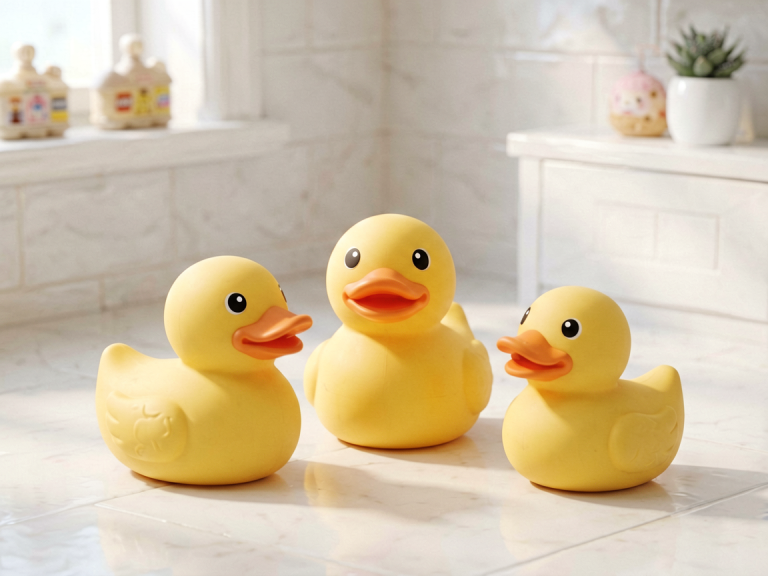
Not all plastic is bad. ABS (acrylonitrile butadiene styrene) plastic is tough, impact-resistant, and widely used in LEGO bricks and many durable action figures. Silicone, often used in teething toys and kitchen play sets, is soft, non-toxic, and nearly indestructible under normal use. Avoid toys made from thin, recycled plastics that feel flimsy or have a strong chemical odor—those are signs of short-lived materials.
Fabric and Textiles
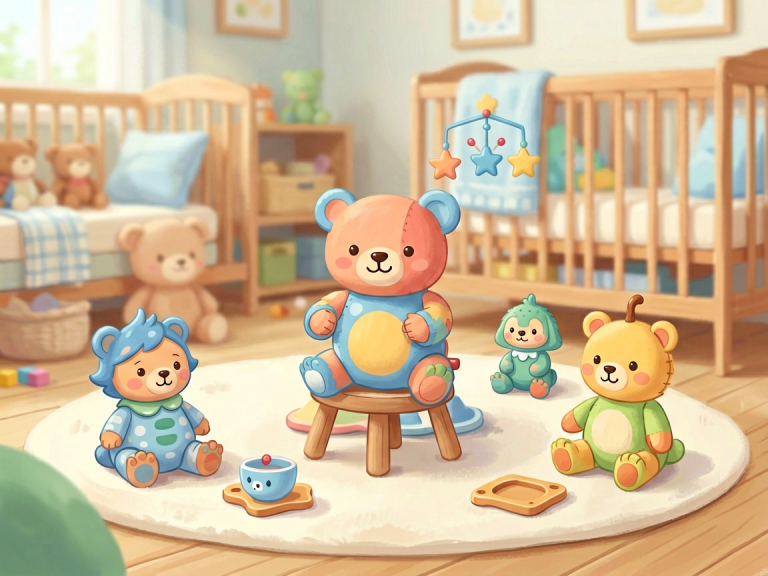
Plush toys can last if they are well-stitched and made from high-density polyester or organic cotton. Look for double-stitched seams, reinforced stress points (like limbs or tails), and machine-washable construction. A poorly made stuffed animal will lose its stuffing within weeks; a quality one can become a lifelong companion.
2. Construction and Craftsmanship: The Devil in the Details
Even the best materials will fail if the toy is poorly assembled. When evaluating a potential purchase, examine the construction with a critical eye.
Joint and Fastener Integrity
Toys with moving parts—hinges, wheels, or articulated limbs—are prone to failure if the joints are weak. For wooden toys, check that pegs are glued and doweled, not merely pressed in. For plastic toys, look for screws or sturdy snap-fit connections rather than glue that can dry and crack. Metal axles on toy cars should be firmly anchored, not allowed to slide sideways.
Paint and Finish
Peeling paint is one of the most common complaints among parents of toddlers. High-end toys use baked-on enamel or non-toxic, scratch-resistant lacquer. Avoid toys with painted-on details that can chip off with minimal abrasion. Instead, favor toys with molded-in colors or those finished with a clear, durable sealant.
Weight and Balance
A toy that feels solid in the hand often indicates better internal structure. Lightweight toys may be cheap to ship, but they are also more likely to tip over, break when dropped, or feel unsatisfying to manipulate. For example, a sturdy wooden tricycle will have a low center of gravity and thick metal hardware; a flimsy plastic one will wobble and crack.
3. Open-Ended Play: The Key to Cognitive Longevity
A toy’s physical durability means little if a child outgrows it in six months. The most lasting toys are those that evolve with the child—offering multiple ways to play, new challenges, and creative freedom.
Building and Construction Sets
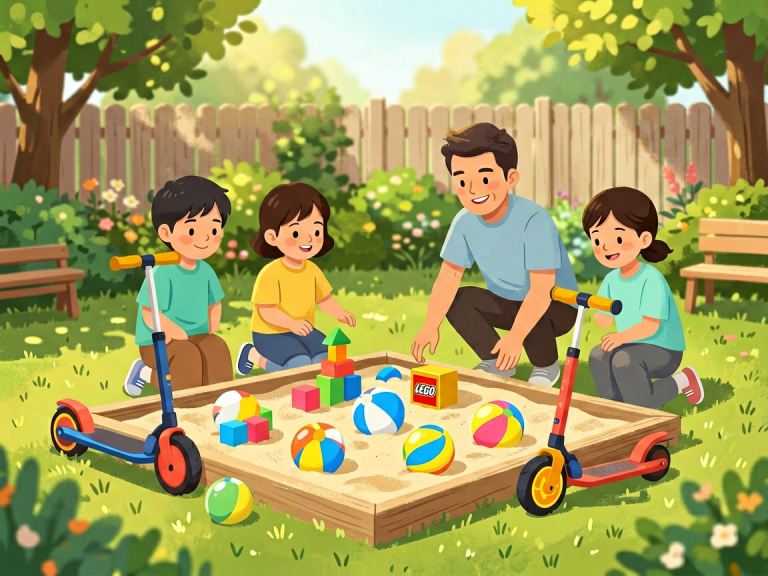
LEGO, magnetic tiles (like Magna-Tiles), and wooden unit blocks are the gold standard for open-ended play. A set of 100 blocks can be a castle, a spaceship, a bridge, or a counting tool. The same pieces used by a three-year-old for stacking can later be used by a ten-year-old for complex structural engineering. The key is that the toy does not dictate a single story or outcome.
Dolls and Action Figures with Minimal Accessories
Highly detailed dolls with fixed costumes and specific storylines (e.g., a princess with a single dress) limit creative play. Instead, choose simple dolls—like a classic rag doll or a plain wooden peg doll—that children can dress, name, and assign roles. Similarly, action figures with interchangeable parts or neutral expressions allow for a wider range of narratives.
Art and Craft Supplies
While not a “toy” in the traditional sense, high-quality art materials—such as washable markers, clay, crayons, and paper—offer endless possibilities. Look for non-toxic, refillable, and durable tools. A set of good watercolor paints in a metal tin will last years, whereas a cheap plastic set will dry out or crack quickly.
4. Age Appropriateness and Safety: Avoiding Premature Obsolescence
Many toys fail because they are either too simple (boring after a few minutes) or too complex (frustrating and abandoned). Choosing the right age range is critical for long-term engagement.
Infants and Toddlers (0–3 Years)
At this stage, toys should be sensory, safe, and robust. Look for large, graspable objects without small parts. Wooden rattles, stacking rings, and push-pull toys are classic choices. Avoid anything with electronic sounds that may malfunction or become irritating. A simple wooden push cart can serve a one-year-old for balancing and a three-year-old for hauling treasures.
Preschoolers (3–5 Years)
This is the age of imaginative play and early problem-solving. Toys that encourage role play (like a wooden kitchen or tool bench) and early construction (magnetic tiles, large Duplo blocks) thrive. Avoid overly complex assembly toys that require adult help—children will lose interest if they cannot succeed independently.
School-Age Children (6+ Years)
Older children benefit from toys that challenge their skills and allow for mastery. Board games, advanced building sets (LEGO Technic, K’NEX), strategy games, and science kits can provide years of engagement. Look for games with variable rules or expansion packs that refresh the experience. A chess set, for instance, lasts a lifetime.
Safety Certification
Always check for safety certifications like ASTM (American Society for Testing and Materials) or CE (Conformité Européenne). These ensure the toy has been tested for lead paint, sharp edges, and choking hazards. A safe toy is more likely to be played with—and therefore lasted longer.
5. Repairability and Aftermarket Support: The Hidden Factor
A toy that cannot be fixed is destined for the landfill. When choosing a toy, consider whether it can be repaired, upgraded, or replaced.
Modular and Compatible Systems
Brands like LEGO, Mega Bloks, and Brio train tracks offer compatibility across decades. A single missing piece can be ordered online or found second-hand. In contrast, a toy with proprietary, non-replaceable batteries or unrepairable electronics is essentially disposable.
Availability of Spare Parts
Some companies, like those producing high-end wooden puzzles or dollhouses, sell individual replacement parts. Others, like certain European toy makers, offer lifetime guarantees. Before buying, check the manufacturer’s website for a “spare parts” page.
Easy Cleaning and Maintenance
Toys that can be wiped down, machine-washed, or sanitized without damage last longer hygienically. Avoid toys with fabric that cannot be removed or electronics that cannot be sealed against dirt. A stuffed animal that is machine-washable will stay fresh for years; one that is not will become dusty and neglected.
6. Brand Reputation and Ethical Manufacturing
While not a guarantee, established toy brands with a history of quality—such as Hape, Melissa & Doug, LEGO, Playmobil, and Brio—invest in research, durable materials, and safety testing. Smaller artisan brands often produce heirloom-quality toys but may be harder to source. Read reviews from other parents, especially those who have owned the same toy for multiple years. Look for praises like “still looks new after four kids” or “passed down from older sibling.”
Additionally, consider the environmental impact. Toys made from sustainably harvested wood, recycled plastics, or biodegradable materials are not only more durable but also align with a long-term mindset. A toy that can be composted or fully recycled at the end of its life is part of a circular economy, not a linear waste stream.
Conclusion: Investing in Play, Not Plastic
Choosing a toy that lasts is an act of love—for the child, for the planet, and for the value of meaningful play. It requires patience to research materials, examine construction, and think about how a toy will fit into a child’s developmental trajectory. But the reward is profound: a toy that becomes a treasured artifact, a tool for learning, and a source of memories that span years. Next time you are tempted by a brightly colored, bargain-priced plastic gadget, pause. Ask yourself: Will this still be played with next season? Can it be mended? Does it invite imagination? If the answer is no, walk away. The best toys are not the ones that make the loudest noise or the biggest mess—they are the ones that quietly grow alongside the child, sturdy enough to last a lifetime.