The Ultimate Guide to the Best Quiet Toys for Kids: Fostering Creativity, Focus, and Calm
In a world that often celebrates noise—blaring screens, electronic chatter, and constant auditory stimulation—there is a quiet revolution happening in children’s playrooms. More and more parents, educators, and child development experts are turning to quiet toys as a way to nurture deep concentration, sensory integration, and imaginative freedom. Quiet toys are not merely “less noisy” alternatives; they are intentional tools that allow children to explore, create, and learn at their own pace, without the distraction of batteries, lights, or sound effects. This comprehensive guide will walk you through everything you need to know about choosing the best quiet toys for your child, from the developmental benefits to specific recommendations across age groups and interests.
Why Quiet Toys Matter: The Science of Stillness and Play
Before diving into specific products, it is essential to understand the profound impact that quiet, open-ended play has on a child’s developing brain. Research in early childhood development consistently shows that unstructured, low-stimulation play fosters executive function skills such as self-regulation, problem-solving, and sustained attention. When a child is not bombarded by external noises or flashing lights, the mind is free to wander, hypothesize, and practice internal dialogue. Quiet toys invite children to be the active creators of their play narrative, rather than passive recipients of programmed entertainment.
Furthermore, quiet play is a powerful antidote to the overstimulation that pervades modern childhood. Many children today experience sensory overload from school, extracurricular activities, and digital devices. Quiet toys provide a “reset button,” offering a safe space for sensory regulation. They can be particularly beneficial for children with sensory processing differences, anxiety, or attention challenges, but they are equally valuable for every child who needs a moment of peace. In fact, pediatric occupational therapists often recommend quiet, tactile toys as part of a “sensory diet” that helps children calm their nervous systems and improve focus.
Characteristics of the Best Quiet Toys
Not all quiet toys are created equal. The best ones share several key characteristics that make them effective for both play and development. First and foremost, they are open-ended—meaning they can be used in multiple ways without a single “right” outcome. A set of wooden blocks, for example, can become a castle, a spaceship, or a simple sculpture, depending on the child’s imagination. Second, they engage multiple senses in a gentle manner: touch, sight, and sometimes even smell (as with natural wood or beeswax), but without overwhelming auditory or visual stimuli. Third, they are durable and sustainable. The best quiet toys are often made from natural materials like wood, cotton, wool, or silicone, which feel pleasant to hold and last for years. Finally, they encourage independent play. While some quiet toys can be used collaboratively, a hallmark of a great quiet toy is that it allows a child to become deeply absorbed for long stretches without needing adult direction.
Top Categories of Quiet Toys for Different Ages
1. Sensory and Tactile Toys for Babies and Toddlers (0–3 Years)
For the youngest children, quiet toys should focus on safe exploration of textures, shapes, and cause-and-effect relationships. Soft fabric books with crinkle pages and teething corners offer gentle sensory input without electronic noises. Wooden rattles with a soft, natural rattle sound (as opposed to loud plastic rattles) are excellent for auditory development without being jarring. Another fantastic option is a silicone stacking toy—these are soft, chewable, and stackable, making them perfect for teething babies while also teaching size relationships. For toddlers, felt quiet books with interactive pages (buttoning, zipping, lacing) are a classic choice. They are completely silent, portable, and excellent for fine motor skill development. The key here is choosing toys that are large enough to avoid choking hazards and made from non-toxic materials.
2. Building and Construction Toys for Preschoolers (3–5 Years)
Preschoolers crave the ability to build and deconstruct, and quiet construction toys are an ideal outlet. Wooden unit blocks are the gold standard. Unlike plastic building bricks that often click loudly, wooden blocks produce a soft, satisfying thud. They allow children to explore balance, geometry, and gravity without the distraction of interlocking mechanisms. A particularly excellent variant is rainbow blocks made from natural wood painted with non-toxic, water-based dyes. These blocks are often semicircular or arch-shaped, inspiring hours of creative construction. Another quiet building option is magnetic tiles—while some sets include sound effects, many brands offer silent magnetic tiles that simply click together softly. The transparent, colorful shapes catch light beautifully and are perfect for collaborative play. For a truly silent building experience, felt or fabric blocks are also available; they are lightweight and soft, making them ideal for quieter spaces like bedrooms or waiting rooms.
3. Art and Creativity Toys for School-Age Children (6–8 Years)
Older children need outlets for self-expression that do not involve screens or noise. High-quality art supplies can be quiet toys in their own right. Watercolor paint sets, for example, require concentration and patience, and the act of mixing colors is inherently calming. Coloring books with intricate patterns (like mandalas or nature scenes) are another classic quiet activity that promotes mindfulness. But consider stepping beyond standard crayons: wooden beads and string for making jewelry, loom bands (without the plastic looms that make noise—hand-knotting can be done silently), and modeling clay or beeswax are all tactile, quiet, and satisfying. A particularly thoughtful quiet toy for this age group is a small knitting loom or finger knitting kit. The repetitive motion of looping yarn is known to be meditative, and children can create scarves or blankets while sitting quietly. Another wonderful choice is a sun-print paper set; children place objects on light-sensitive paper and leave it in the sun to develop—no noise, just wonder.
4. Logic and Puzzle Toys for Tweens (9–12 Years)
As children grow, their need for challenges that engage the mind without auditory distractions increases. Wooden brain teasers and mechanical puzzles (like the classic 15-puzzle, tangrams, or wooden labyrinth mazes) are excellent quiet toys. They demand focus, patience, and spatial reasoning, and the only sounds are the gentle clicks of wood on wood. Magnetic puzzle boxes that require sliding pieces to open a secret compartment are also incredibly engaging. For children who enjoy words, bananagrams or Scrabble can be played quietly if you set a rule about no loud celebrations—but a more solitary option is a crossword puzzle book or word search designed for kids. Another fantastic quiet toy is a high-quality marble run made from wood. While marbles can make noise, choosing a wooden marble run with felt-lined tracks dampens the sound significantly, and the visual tracking of marbles through the course is mesmerizing. For the tween who loves science, crystal-growing kits or rock tumbling kits are quiet, slow-paced projects that yield beautiful results over days or weeks.
5. Calming and Mindfulness Toys for All Ages
Some quiet toys are specifically designed to promote relaxation and emotional regulation. Weighted stuffed animals or lap pads filled with beads or sand provide gentle proprioceptive input that can soothe an anxious child. They are silent and comforting, perfect for bedtime or quiet time. Glitter jars (homemade or store-bought) are another classic—children shake the jar and watch the glitter settle slowly, a practice that naturally slows breathing and focuses attention. Stress balls made from soft silicone or filled with flour can be squeezed silently. Wooden rainmakers that produce a soft, falling-rice sound are also lovely, though they do make a subtle noise—many find this sound more peaceful than distracting. A final category worth mentioning is books. While not a “toy” in the traditional sense, a well-chosen, beautifully illustrated book is perhaps the quietest and most enriching plaything of all. Pop-up books, search-and-find books, and tactile touch-and-feel books all offer silent engagement.
How to Choose the Right Quiet Toy for Your Child
Selecting the perfect quiet toy depends on several factors: your child’s age, temperament, interests, and the specific context in which the toy will be used. First, consider your child’s sensory preferences. Some children love the feel of smooth wood; others prefer soft fabric or cool silicone. Observe what materials your child gravitates toward during everyday play. Second, think about the purpose of the quiet toy. Is it for car rides? For bedtime winding down? For a classroom quiet corner? For keeping them occupied during a sibling’s sports practice? Different contexts call for different sizes and portability. For example, a magnetic drawing board is excellent for car trips because it contains no loose pieces. A silky scarf and a small wooden doll might be better for a calm corner at home.
Third, evaluate the longevity of the toy. Open-ended toys like blocks, puzzles, and art supplies grow with the child, while single-use items (like a specific puzzle with only one solution) may lose their appeal quickly. Investing in a few high-quality quiet toys is far better than amassing a collection of cheap, noisy, or short-lived options. Finally, involve your child in the selection process when possible. Allow them to hold and explore a few options before purchasing. The best quiet toy is one that captures your child’s unique imagination and invites them into a state of flow—a deep, joyful focus where time seems to disappear.
Creating a Quiet Play Environment
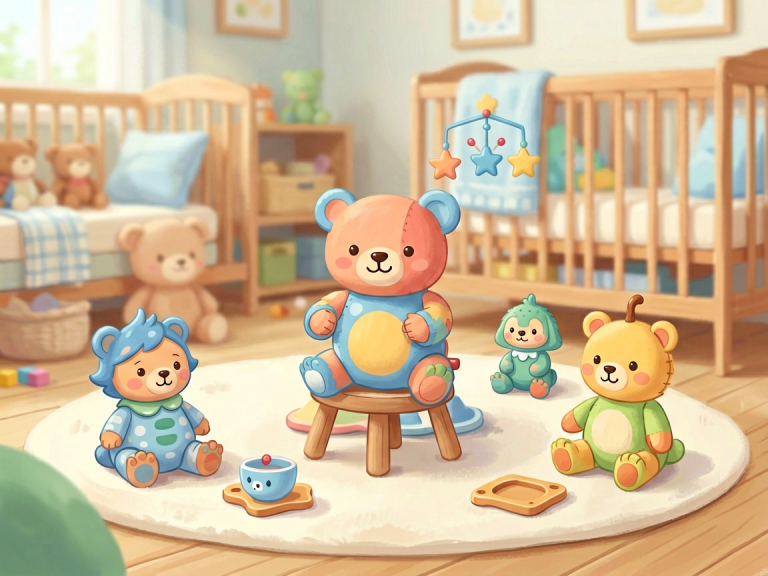
Even the best quiet toys can be undermined by a chaotic environment. To truly harness the benefits of quiet play, consider setting up a dedicated “calm corner” or “quiet play area” in your home. This space should be free of screens, loud sounds, and bright, flickering lights. Soft, neutral colors on the walls, a comfortable rug or beanbag, and easy-access shelving for quiet toys all contribute to a sense of peace. Natural lighting is ideal, but if you need artificial light, choose warm-toned bulbs rather than harsh cool white ones. You might also include a small plant or a calming scent, such as lavender (if safe for your child’s age). The goal is to create a sanctuary where quiet toys are treasured and where your child can retreat when they need a break from the world.
Final Thoughts: The Gift of Silence in a Noisy World
Quiet toys are not a trend—they are a timeless response to a fundamental human need for stillness and deep engagement. In an era when children’s attention is constantly pulled in a thousand directions, offering them the gift of a simple, beautiful, quiet toy can be transformative. It says, “You can slow down. You can create. You can think.” Whether it is a set of smooth wooden blocks, a soft felt book, or a mesmerizing marble run, the right quiet toy can become a child’s companion for hours of imaginative, peaceful play—a small but powerful antidote to the noise of everyday life.
As you explore the wide world of quiet toys, remember that the best choice is the one that resonates with your child’s unique spirit. Trust your instincts, observe their play, and do not be afraid to invest in quality. The memories of those quiet moments—a child’s fingers tracing the grain of a wooden puzzle, the soft laughter as a marble rolls down a ramp, the deep breath before a paintbrush touches paper—are treasures that will echo far louder than any electronic toy ever could.