Art Toys vs. Craft Kits: A Comparative Exploration of Creative Play
Introduction
In recent years, the world of creative hobbies has expanded far beyond traditional painting or sculpting. Two categories that have gained remarkable popularity among children, teenagers, and even adults are *art toys* and *craft kits*. Though both promise an outlet for imagination and hands‑on engagement, they serve fundamentally different purposes and appeal to distinct creative impulses. Art toys are often pre‑designed figures or objects that invite personalization, while craft kits provide structured materials and instructions for constructing a specific project. Understanding the differences—and surprising overlaps—between art toys and craft kits can help consumers, educators, and parents make informed choices about which type of creative activity best suits their needs. This article compares these two categories across several dimensions: creative freedom, target audience, skill development, and market trends.
—
1. Defining Art Toys and Craft Kits
What Are Art Toys?
Art toys, sometimes called designer toys or vinyl figures, are three‑dimensional objects—often made of plastic, resin, or soft vinyl—that serve as a canvas for artistic expression. They typically come in a blank or partially colored form, and the “play” involves painting, drawing, or accessorizing them. Famous examples include the “Bearbrick” figures, Mighty Jaxx collectibles, or custom Dunny series produced by Kidrobot. Art toys blur the line between a collectible and an art supply: the core object is already sculpted, but the final aesthetic is entirely up to the artist. This genre has grown into a global subculture, with conventions and online communities dedicated to customizing and trading these figures.
What Are Craft Kits?
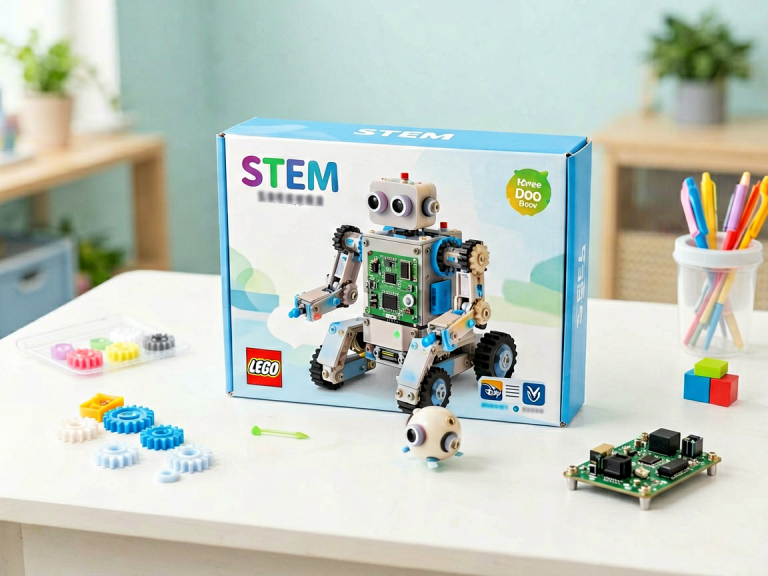
Craft kits are packaged sets that include all necessary materials and step‑by‑step instructions for completing a specific project. Common examples include diamond painting kits, embroidery sets, model‑building kits (like those from Lego or wooden 3D puzzles), or resin jewelry‑making kits. The emphasis is on process and completion: the user follows a guide to assemble or decorate the item, achieving a predictable, often satisfying result. Unlike art toys, craft kits rarely encourage open‑ended modification; the pleasure comes from correctly executing the instructions and seeing a finished product that matches the picture on the box.
—
2. Creative Freedom and Constraints
Art Toys: Boundless Possibilities Within a Form
The primary appeal of art toys lies in their open‑ended nature. While the physical shape is fixed—a blank bear, a robot, a whimsical monster—the user can decide every aspect of its appearance: color schemes, patterns, textures, and even added elements like clay accessories. This format offers a balance between structure and freedom. The pre‑existing figure eliminates the need to sculpt from scratch, lowering the barrier to entry for those who are intimidated by a completely blank slate. Yet within that defined contour, the possibilities are limitless. An artist might use acrylic paint, markers, spray paint, or even collage materials. The result is an original piece that reflects the creator’s unique vision.
Craft Kits: Guided and Predictable Outcomes
Craft kits, by contrast, trade open‑endedness for clarity. They are ideal for individuals who want a clear goal and a sense of accomplishment without the anxiety of deciding what to create. The instructions specify which color goes where, how to attach pieces, and what the final product should look like. This constraint can be deeply satisfying: completing a diamond‑painting tiger or a miniature wooden house provides a tangible, often beautiful result with minimal guesswork. However, this structure also limits creative exploration. If the kit asks for red thread in a specific area, using blue instead might disrupt the design. The “right” way is predetermined, which can feel restrictive to those craving artistic freedom.
—
3. Target Audience and Skill Levels
Who Enjoys Art Toys?
Art toys attract a broad range of ages—from young teenagers to professional illustrators. Because no prior artistic skill is required to begin (you can simply paint a figure one solid color), they are accessible to beginners. Yet they also offer depth for experienced artists who want to experiment with advanced techniques like airbrushing, weathering, or sculpting custom parts. Collectors often pursue art toys for their aesthetic value and the thrill of personalization. Communities on Instagram and YouTube showcase “customs,” inspiring others. The learning curve is self‑directed: you progress at your own pace, learning from mistakes and triumphs.
Who Prefers Craft Kits?
Craft kits are especially popular among younger children, anxious beginners, and adults seeking mindfulness. For children, following instructions builds fine motor skills, patience, and sequential thinking. For adults, craft kits provide a low‑pressure way to relax—mindless repetition (like placing diamond drills or stitching cross‑stitch) can be meditative. Kits also appeal to people who fear “messing up” a blank canvas; the predetermined outcome ensures success as long as steps are followed. However, advanced crafters might find them repetitive. Some kit manufacturers now offer “level‑up” versions with complexity ratings, but the core premise remains guided creation.
—
4. Educational and Developmental Benefits
Art Toys: Fostering Artistic Identity
From an educational standpoint, art toys encourage divergent thinking—the ability to generate multiple solutions to an open‑ended problem. When a child decides to paint a robot as a rainbow‑colored astronaut or a monster with polka‑dots, they are practicing decision‑making, color theory, and personal expression. There is no single “correct” answer, which builds confidence in one’s own creative judgment. Art toys also teach planning: the user must think about primer, base layers, and sealing. The final product is a unique artifact that tells a story, reinforcing a sense of ownership and pride.
Craft Kits: Building Procedural Skills
Craft kits excel at teaching procedural thinking. Completing a diamond painting requires following a chart, matching symbols to colors, and applying dots precisely. This strengthens hand‑eye coordination, focus, and the ability to break a large task into small steps. For children, craft kits can enhance academic skills like reading instructions and counting patterns. The satisfaction of a finished project boosts self‑esteem, especially for those who struggle with free‑form creativity. However, the risk is that over‑reliance on kits might discourage independent problem‑solving: the user learns to follow rather than to invent.
—
5. Market Trends and Consumer Preferences
The Boom of Art Toys
The art toy market has exploded in the last decade, driven by collaborations between street artists, toy manufacturers, and pop‑culture brands. Limited‑edition releases generate hype and resale value. Social media platforms like Instagram and TikTok showcase finished customs, creating a viral feedback loop. Brands increasingly release blind‑box figures (such as Pop Mart’s Molly series) that can be collected or customized. The market is shifting toward sustainability, with some companies offering recycled vinyl or refillable paint sets. Consumers who buy art toys often see themselves as artists, not just players.
The Steady Appeal of Craft Kits
Craft kits, while less hype‑driven, enjoy a more stable, broad market. They are sold in big‑box stores, online marketplaces, and specialty shops. The COVID‑19 pandemic accelerated interest in home‑based hobbies, with sales of puzzles, knitting kits, and paint‑by‑numbers soaring. Today, subscription boxes (like KiwiCo or Doodle Crate) deliver monthly craft kits to children, while adult markets focus on high‑end home decor kits (e.g., macramé or candle‑making). The key trend is personalization: many kits now offer multiple color options or interchangeable parts, borrowing a bit of the art‑toy ethos.
Where They Overlap
Increasingly, the lines blur. Some art toys now include “instructional” stickers or suggested color palettes, while craft kits offer “blank” versions of their projects for freestyle decorating. For instance, a ceramic mug painting kit might include both a stencil set and blank paint options, allowing users to choose between guided and free creation. This hybrid approach appeals to consumers who want the comfort of structure but also the thrill of freedom.
—
6. Conclusion
Art toys and craft kits are not rivals but complementary tools in the landscape of creative play. Art toys champion divergent thinking, giving artists a defined canvas to exercise limitless imagination. They are perfect for those who enjoy the journey of invention and take pride in owning a one‑of‑a‑kind object. Craft kits, on the other hand, champion convergent thinking, guiding users toward a satisfying, predictable result that rewards patience and attention to detail. They are ideal for relaxation, skill‑building, and conquering the blank‑page fear.
Choosing between them depends on the creator’s mood, goals, and skill level. A child might start with craft kits to build confidence, then graduate to art toys as they discover their own artistic voice. An adult might use a craft kit to unwind after work and an art toy on the weekend to explore wild creativity. Both forms validate the human need to make, to transform materials into something meaningful. In the end, whether you prefer the structured safety of a kit or the raw potential of a blank art toy, the most important thing is simply to create.
—
*(Word count: approximately 1,280 words)*