Toy Subscription Boxes vs. Single Toys: A Comprehensive Comparison for Modern Parents
—
Introduction
In the golden age of e-commerce and curated experiences, parents are faced with a bewildering array of choices when it comes to buying toys for their children. On one side of the aisle sit the classic single toys – the beloved doll, the iconic building block set, or the plastic dinosaur that sparks imaginative adventures. On the other, the relatively new phenomenon of toy subscription boxes has exploded in popularity, promising curated, age-appropriate items delivered to your door every month. Both options have passionate advocates and fierce critics. But which one truly serves a child’s development, a family’s budget, and the planet’s well-being? This article delves into a detailed, side-by-side comparison of toy subscription boxes and single toys, examining cost, convenience, developmental impact, environmental footprint, and the elusive factor of joy. By the end, you will have a clear framework to decide which approach aligns best with your parenting philosophy and your child’s unique needs.
Cost Analysis: Subscription vs. One-Time Purchase
At first glance, toy subscription boxes may seem expensive. Monthly fees typically range from $15 to $40, which over a year can total $180 to $480 or more. A single high-quality toy, such as a wooden train set or a Lego brick bundle, might cost a similar amount but last for years. However, the true financial picture is more nuanced. Subscription boxes often include multiple items – sometimes a main toy, a book, and a craft activity – which, if purchased individually, could cost significantly more. Moreover, single toys often accumulate in a household. A parent might impulsively buy a small plastic trinket for $5 several times a week, and those small purchases quickly add up to more than the cost of a subscription. On the other hand, a well-chosen single toy can be a long-term investment that withstands countless play sessions and even hand-me-downs. The key variable is consumption patterns. For families that tend to overbuy cheap toys, a subscription box may actually result in overall savings by eliminating impulse shopping. For minimalist families who prefer quality over quantity, one carefully selected single toy each month might be far more economical and less wasteful.
Convenience and Hassle Factor
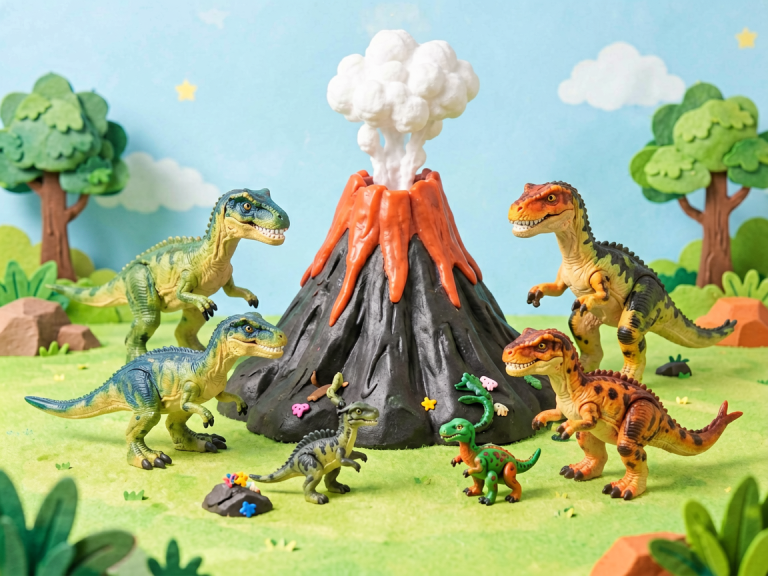
Modern parents are time-poor and decision-fatigued. A toy subscription box offers the ultimate convenience: a curated package arrives without any need to browse aisles, compare prices, or remember a child’s latest interest. The box is often designed to be an immediate, engaging experience. In contrast, buying a single toy requires research, travel (or online scrolling), and decision-making – not to mention wrapping or storing it until the right moment. However, convenience can sometimes come with a hidden cost: the loss of personalization. Subscription boxes are curated by algorithms and general age brackets, not by someone who knows that your child is terrified of puppets or obsessed with dinosaurs. A single toy allows you to cater precisely to your child’s current mania. Furthermore, subscription boxes can create a sense of obligation – you pay every month whether or not the toy is actually needed. For a household that already has a mountain of playthings, another box can feel like a burden rather than a blessing.
Impact on Child Development and Learning
Child development experts often emphasize the importance of open-ended play, where a single toy can be used in countless ways. A set of wooden blocks, for instance, can become a tower, a car, a castle, or a cake. Single toys of high quality tend to foster deeper engagement and longer attention spans. Subscription boxes, on the other hand, often focus on novelty and variety. While variety can stimulate curiosity and expose children to new skills – a science experiment one month, a puzzle the next – it can also encourage a “disposable” mindset where a toy is only interesting for a week before the next box arrives. Research suggests that children benefit most from a balance: a core set of open-ended staples (single toys) supplemented by periodic novel items. Subscription boxes can serve as that supplement, but they should not replace the foundational, reliable toys that build patience and creativity. Moreover, many subscription boxes boast educational themes, but the learning quality varies widely. A well-designed STEM box can teach real principles, while a cheap, flashy box might offer shallow entertainment.
Environmental and Sustainability Considerations
In an era of climate anxiety and plastic pollution, the environmental impact of toy consumption cannot be ignored. Single toys, especially those made from wood, metal, or high-quality plastic, can last for years and be passed down, reducing waste. However, the packaging of single toys – often a cardboard box, plastic ties, and bubble wrap – is not insignificant. Toy subscription boxes multiply the problem: every month, a new box arrives with its own packaging, inserts, and often multiple small plastic components wrapped individually. Many subscription services are aware of this criticism and have made commendable efforts to use recyclable materials and reduce waste. Yet the sheer volume of boxes shipped nationwide is staggering. Additionally, single toys that break are often thrown away, whereas subscription boxes sometimes include replacement parts – but those also come with packaging. A life-cycle analysis would likely favor single toys that are durable and repairable, but only if families actually keep them long-term. The best environmental choice may be a hybrid approach: invest in a few heirloom-quality single toys and use a subscription box only sparingly, or opt for services that offer a “toy library” model where items are returned and reused.
Variety and Novelty: The Surprise Element
One of the strongest selling points of toy subscription boxes is the thrill of anticipation and surprise. Children look forward to the monthly delivery, and the unboxing experience can be magical. This novelty can combat boredom and keep a child engaged with new ideas. However, there is a psychological trap known as the “hedonic treadmill”: the more often a child receives new toys, the less satisfying each new toy becomes. The dopamine hit of the unboxing may overshadow the actual play. Single toys, purchased less frequently, tend to retain a special aura. A child who saves up allowance for a specific Lego set or receives a carefully wrapped birthday gift will likely value it more deeply. The surprise element of a subscription box can be wonderful, but it may also teach children to equate happiness with constant consumption – a lesson that runs counter to mindfulness and gratitude.
Quality and Durability of Toys
Not all toys are created equal. Single toys purchased from reputable brands – Melissa & Doug, LEGO, PlanToys, Brio – are often built to withstand rough play and last for generations. Subscription boxes, especially the more affordable ones, sometimes include generic or lesser-known brands that prioritize cost over craftsmanship. Plastic parts may snap, paint may chip, and electronic components may fail. For families who value durability, a single high-quality toy is almost always a better investment. However, premium subscription boxes do exist (e.g., KiwiCo, Lovevery) that use rigorous materials and design testing. These boxes can rival or exceed the quality of many store-bought single toys, but they come at a higher price point. The key is to read reviews and understand what you are paying for. A subscription box’s value often lies in its curation and educational design rather than the raw durability of each component.
The Social and Emotional Aspects
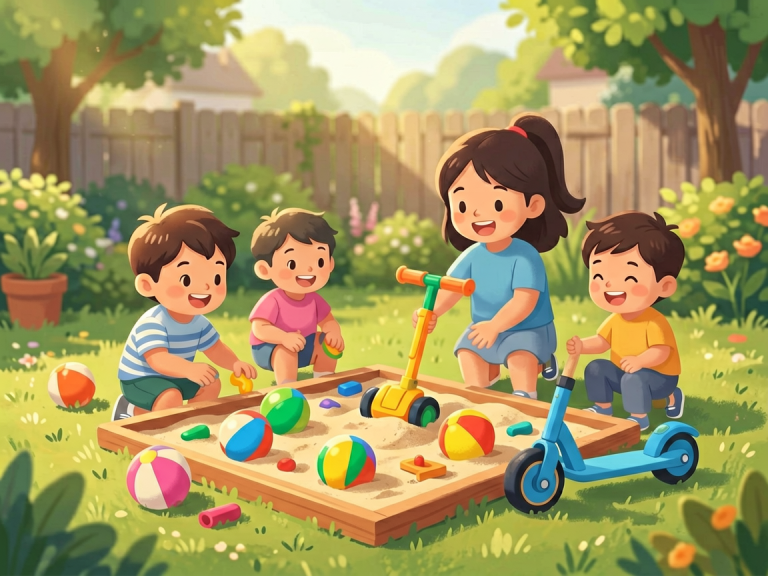
Toys are not just objects; they are tools for social interaction, emotional regulation, and family bonding. A single toy, like a board game or a dollhouse, can become a shared focal point for siblings and friends. Subscription boxes, with their rotating contents, may lack that consistent social anchor. On the other hand, the novelty of a subscription box can facilitate parent-child bonding through shared discovery. Opening the box together and exploring the new activity can be a special ritual. Additionally, subscription boxes often include instructions or guided play suggestions, which can help parents who are unsure how to engage with a new toy. Single toys, however, allow children to create their own narratives without adult interference. There is no right or wrong here – each family’s social dynamics will dictate which form of toy use feels more natural and beneficial.
Making the Right Choice for Your Family
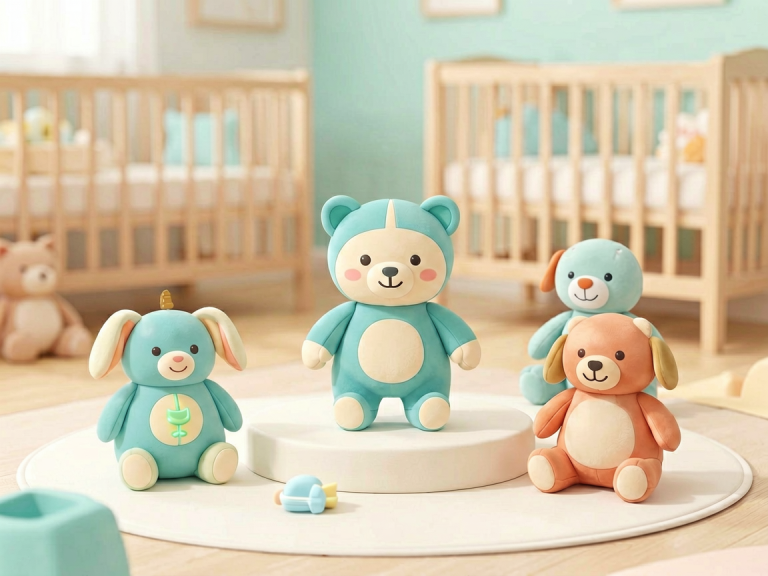
There is no universal answer to the subscription-versus-single-toys debate. The best choice depends on your child’s age, temperament, your budget, your home’s storage capacity, and your environmental priorities. For infants and toddlers, who rapidly outgrow developmental stages, a subscription box that delivers age-appropriate sensory toys for just a few months can be excellent value. For school-aged children with specific passions (space, dinosaurs, art), a few carefully chosen single toys that feed that interest may be far more enriching. Consider a trial period: try a one-month subscription or a three-month plan, and observe your child’s engagement. Are they still playing with last month’s toy when the new box arrives? If not, you may be feeding a cycle of disposability. If they are joyfully combining items from different boxes into imaginative play, then the subscription is working.
Conclusion
Both toy subscription boxes and single toys have their rightful place in the modern nursery. Subscription boxes excel at convenience, novelty, and introducing variety; single toys shine in durability, depth of play, and personalization. The most thoughtful approach is not to choose one over the other, but to understand the trade-offs and integrate both strategically. By being mindful of cost, environmental impact, and developmental needs, parents can curate a toy collection that truly supports their child’s growth – whether that collection arrives in one box every month or one special gift every season. Ultimately, the best toy is not the one that comes with the most hype or the cheapest price tag, but the one that inspires a child to laugh, learn, and imagine for hours on end.