The Ultimate Guide to the Best Toys for 2-Year-Olds: Fostering Growth, Curiosity, and Joy
Introduction
The second birthday is a magical milestone. A two-year-old is no longer a baby but not yet a preschooler. They are in the throes of the "terrific twos"—a period of explosive language development, burgeoning independence, and an insatiable desire to explore the world. Every day, their little hands are busier, their feet faster, and their imaginations wilder. Choosing the right toys at this age is not just about keeping them occupied; it is about nurturing their cognitive, physical, social, and emotional growth. The best toys for 2-year-olds are those that strike a perfect balance between safety, educational value, and pure, unadulterated fun. They should invite open-ended play, encourage problem-solving, and withstand the enthusiastic (and often rough) treatment of a toddler. This guide will walk you through the categories of toys that truly make a difference, each chosen to support a specific area of development. Whether you are a parent, grandparent, or gift-giver, these recommendations will help you select playthings that a two-year-old will love and benefit from.
Why the Right Toys Matter for a Two-Year-Old
At age two, a child’s brain is developing at an astonishing rate. Neural connections are being forged through every sensory experience and physical movement. Toys are not mere distractions; they are tools for learning. The best toys for 2-year-olds actively engage multiple senses—sight, sound, touch, and even smell. They encourage a toddler to practice new skills like stacking, sorting, and balancing. Furthermore, they provide a safe outlet for emotional expression. When a child throws a soft ball or knocks down a block tower, they are learning about cause and effect, spatial relationships, and even how to manage frustration. Toys also serve as social bridges. A simple toy telephone or a set of play food can prompt shared play with a parent or another child, fostering turn-taking and language exchange. In short, the right toy can be a catalyst for holistic development, making playtime both productive and delightful.
Toys That Promote Gross Motor Skills: Building Strength and Coordination
Gross motor skills involve the large muscles of the body—arms, legs, and torso. At two years old, children are mastering walking, running, climbing, and jumping. Toys that challenge these muscles are essential for physical confidence and health.
- Ride-on Toys and Balance Bikes: A sturdy, foot-powered ride-on toy (without pedals) is one of the best investments for a two-year-old. Balance bikes, for instance, teach the fundamental skill of balancing while allowing the child to propel themselves with their feet. They are safer than tricycles at this age because the child can always put their feet down. Look for models with a low step-through frame and adjustable seat height. These toys strengthen leg muscles and improve spatial awareness.
- Push and Pull Toys: Classic wooden pull toys (like a duck on wheels) or push carts are excellent for toddlers who are still refining their walking gait. They provide a sense of companionship and encourage the child to move forward while coordinating their steps. Some push carts even double as storage bins for other toys, adding an element of organization.
- Climbing Structures and Soft Foam Blocks: Indoor climbing sets with gentle slopes, small slides, and soft landing pads allow toddlers to practice climbing and descending. Foam blocks that can be stacked into steps or bridges provide endless configurations. Climbing builds upper body strength, core stability, and risk assessment skills. Always ensure the climbing structure is low to the ground and has rounded edges.
- Large Balls and Play Tunnels: A soft, lightweight ball (about 10–12 inches in diameter) is perfect for rolling, tossing, and chasing. Balls encourage running, bending, and hand-eye coordination. Pop-up play tunnels are another fantastic option—crawling through a tunnel strengthens every muscle group and ignites a child’s sense of adventure.
Toys That Develop Fine Motor Skills: The Art of the Small Hand
Fine motor skills involve the small muscles in the hands and fingers, crucial for tasks like writing, buttoning, and using utensils. Two-year-olds are ready for more precise movements.
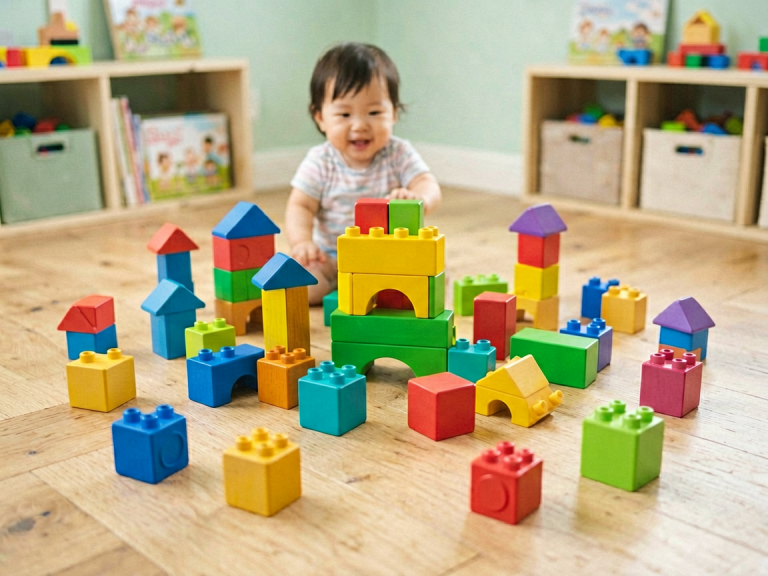
- Stacking and Nesting Toys: Wooden or plastic stacking rings, nesting cups, and graduated blocks are timeless for a reason. They teach size discrimination, hand-eye coordination, and the concept of order. The action of placing a ring onto a peg requires careful alignment and controlled release. Look for sets with different textures or colors to add sensory input.
- Shape Sorters and Puzzle Boards: A simple shape sorter with three or four basic shapes (circle, square, triangle) is perfect. The child must rotate the shape to fit the hole, which exercises problem-solving and wrist rotation. Wooden peg puzzles with large knobs are even better—they help strengthen the pincer grasp (thumb and forefinger) that is essential for future writing.
- Lacing and Beading Toys: Large wooden beads (at least 1 inch in diameter) with a stiff, blunt-tipped lace allow a toddler to practice threading. This activity demands intense concentration and bilateral coordination (using both hands together). For beginners, start with lacing cards with pre-drilled holes.
- Play Dough and Squeeze Toys: Unscented, non-toxic play dough is a sensory powerhouse. Rolling, squishing, and cutting the dough strengthens hand muscles. Add simple tools like a plastic rolling pin or cookie cutters to extend the play. Squeeze toys (like soft foam balls or stress balls) offer a way to release energy and strengthen grip.
Cognitive and Sensory Toys: Sparking Curiosity and Learning
Cognitive development at age two involves memory, attention, cause and effect, and early mathematical concepts. Sensory toys engage the five senses and help children make sense of their environment.
- Simple Puzzles and Matching Games: A two-piece puzzle that pairs an animal with its baby, or a color-matching game, encourages logical thinking. At this age, avoid puzzles with more than 4–6 pieces. Chunky wooden puzzles where each piece stands upright are easier for little fingers to manipulate.
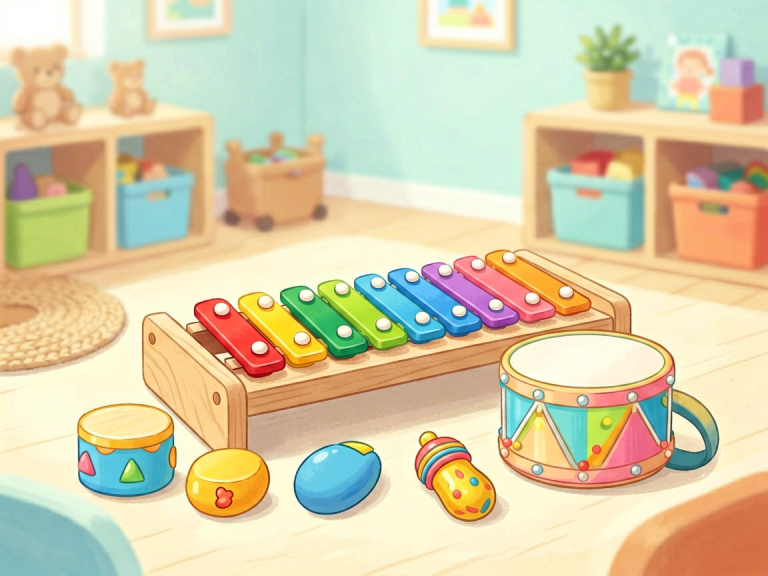
- Cause-and-Effect Toys: Pop-up toys, jack-in-the-boxes, and levers that make a sound when pressed teach the relationship between action and reaction. Musical instruments like a xylophone or a drumset also fall into this category—hitting a drum produces a sound, which children find endlessly fascinating.
- Sensory Bins and Sand/Water Tables: Fill a shallow plastic bin with rice, dry beans, or sand, and add scoops, cups, and small toys. Sensory bins offer rich tactile exploration and can occupy a toddler for thirty minutes. A water table with cups and floating toys is perfect for warm weather, promoting scooping, pouring, and scientific experimentation.
- Shape-Sorting and Color Recognition Toys: Toys that require sorting objects by shape, color, or size build foundational math skills. For instance, a set of colored bears with a sorting tray allows children to group them by color. As they progress, you can ask, “Which bear is red?” to reinforce language.
Language and Imaginative Play Toys: Building Stories and Vocabulary
Two-year-olds are language sponges. They absorb new words daily and love mimicking the world around them. Imaginative play—also called pretend play—blossoms at this age.
- Simple Dolls and Stuffed Animals: A soft-bodied doll or a plush animal with simple features (eyes, nose, mouth) encourages nurturing behavior. The child may feed, bathe, or put the doll to sleep. This kind of role-play develops empathy and language as the child talks to the toy.
- Toy Telephones and Role-Play Sets: A classic toy telephone (with buttons that make sounds) invites a child to imitate calling Grandma or the doctor. Kitchen sets, tool benches, and doctor kits are hugely popular. A child can pretend to cook a meal, fix a broken chair, or check a doll’s temperature. These toys provide endless scripts for conversation.
- Puppets and Play Figures: Hand puppets are excellent for one-on-one interaction. An adult can use a puppet to ask the child questions, sing songs, or tell a simple story. Animal figures (e.g., farm animals, dinosaurs) allow a child to create little worlds and practice animal sounds and names.
- Board Books and Musical Storybooks: While not a toy in the traditional sense, interactive board books with flaps, textures, or sound buttons are vital. Books like *Dear Zoo* or *Brown Bear, Brown Bear* promote vocabulary, prediction, and the love of reading. Musical storybooks that play a tune when a button is pressed combine auditory learning with narrative.
Music and Sound Toys: The Rhythm of Development
Music stimulates brain development, improves memory, and supports auditory discrimination. Two-year-olds respond enthusiastically to rhythm and melody.
- Simple Percussion Instruments: A wooden egg shaker, a small tambourine, a pair of maracas, or a drum are excellent. They are easy to grasp and produce immediate sound. Encouraging a child to keep a beat helps with body awareness and motor planning.
- Keyboards and Toy Pianos: A toy piano with large, colorful keys (not too many) allows a child to experiment with pitch. Some models have lights that flash with each note, adding a visual element.
- Sing-Along Microphones and Karaoke Players: While a microphone is not necessary, a sturdy, battery-operated toy that plays songs and has a microphone can be a hit. The child can sing along or simply babble into it, building confidence in vocal expression.
Safety Considerations When Choosing Toys for a 2-Year-Old
Safety cannot be overemphasized. The best toys for 2-year-olds are rigorously safe. Always check for small parts that could be a choking hazard—any piece that fits inside a toilet paper roll is too small. Look for the ASTM (American Society for Testing and Materials) or CE (European Conformity) label. Avoid toys with long strings or cords that could pose a strangulation risk. Battery compartments should be secured with screws. All materials should be non-toxic, BPA-free, and free of lead paint. Wooden toys should be sanded smooth with no splinters. Regularly inspect toys for wear and tear—broken edges, loose buttons, or peeling paint mean it is time to retire the toy. Finally, supervise play, especially with new toys, to ensure the child uses them as intended.
Conclusion: The Gift of Play
The best toys for 2-year-olds are not necessarily the most expensive or the ones with the most flashing lights. They are the toys that invite interaction, spark curiosity, and grow with the child. A simple set of building blocks can teach physics, geometry, and patience. A ride-on toy can build confidence and physical strength. A puppet can become a best friend and a language teacher. By choosing toys that align with a toddler’s developmental stage and interests, you give them the greatest gift of all: the joy of learning through play. As you shop, remember that a two-year-old’s attention span is short; rotating toys every few weeks keeps the play fresh and exciting. And do not underestimate the power of ordinary household items—like cardboard boxes, plastic containers, or scarves—which can be the most imaginative toys of all. Ultimately, the best companion to any toy is a loving adult who sits on the floor, plays, and marvels at the world through a two-year-old’s eyes. Happy playing!