The Power of Play: Choosing the Best Learning Toys for 2-Year-Olds
At the tender age of two, a child is no longer a passive infant but an active explorer, a budding conversationalist, and a determined problem-solver. This stage, often described as the "terrible twos," is more accurately a period of incredible cognitive, physical, and emotional transformation. The right learning toys for 2-year-olds can channel this boundless energy into meaningful development. However, not all toys labeled "educational" live up to their promise. In a market flooded with flashing lights and plastic noise-makers, what truly constitutes a valuable learning toy for a toddler? This article delves into the developmental needs of two-year-olds and provides a comprehensive guide to selecting toys that foster growth, independence, and joy.
Understanding the Developmental Landscape of a Two-Year-Old
Before choosing toys, it is essential to understand what a two-year-old is capable of and what they are striving to achieve. Developmentally, this age is marked by rapid progress across several domains.
Cognitive Leaps
A two-year-old’s brain is forming connections at an astonishing rate. They are beginning to understand cause and effect, engage in simple pretend play, and recognize patterns. Their attention span is still short—typically between four to six minutes per activity—but they can follow simple two-step instructions. Problem-solving skills emerge as they figure out how to fit shapes into a sorter or how to stack blocks without toppling them. Toys that challenge their working memory and spatial reasoning are particularly beneficial at this stage.
Language Explosion
Between 24 and 36 months, vocabulary expands from about 50 words to several hundred. Two-year-olds start combining two or three words into short phrases ("more milk," "doggie go"). They enjoy naming objects, imitating sounds, and listening to simple stories. Toys that encourage verbal interaction—such as picture books, puppets, and simple puzzles with labels—support this language explosion.
Gross and Fine Motor Mastery
Physically, a two-year-old is mastering walking, running, climbing, and even jumping off low steps. Their fine motor skills are also advancing: they can turn pages one at a time, scribble with crayons, and manipulate large buttons or knobs. Toys that promote hand-eye coordination and dexterity, such as stacking rings, pegboards, and chunky puzzles, are ideal.
Social-Emotional Growth
Emotionally, two-year-olds are learning to manage frustration, express preferences, and engage in parallel play (playing alongside, not yet with, other children). They mimic adult behaviors and enjoy role-playing. Toys that allow for imitation—like play kitchens, tool sets, and dolls—help them process the world around them and develop empathy.
Key Categories of Learning Toys for Two-Year-Olds
Given these developmental milestones, the most effective learning toys are those that engage multiple senses, offer open-ended possibilities, and adapt to a child’s growing abilities. Below are the primary categories, each with specific examples and explanations of their educational value.
Sensory and Fine Motor Toys
Sensory play is foundational for brain development. Toys that stimulate touch, sight, sound, and even smell help two-year-olds make sense of their environment.
- Shape Sorters and Peg Puzzles: These classics challenge a child to match shapes and colors while exercising fine motor control. The act of grasping a wooden shape, rotating it, and pushing it into the correct slot builds problem-solving skills and hand strength. Look for puzzles with large knobs or thick pieces that are easy for small hands to manipulate. As an added benefit, naming the shapes and colors reinforces vocabulary.
- Sensory Bins and Play Dough: A bin filled with rice, beans, or sand (supervised) allows a toddler to scoop, pour, and sift—activities that teach volume, gravity, and cause and effect. Play dough strengthens finger muscles and encourages creativity. Simple tools like plastic knives, rolling pins, and cookie cutters extend the play and introduce pretend scenarios.
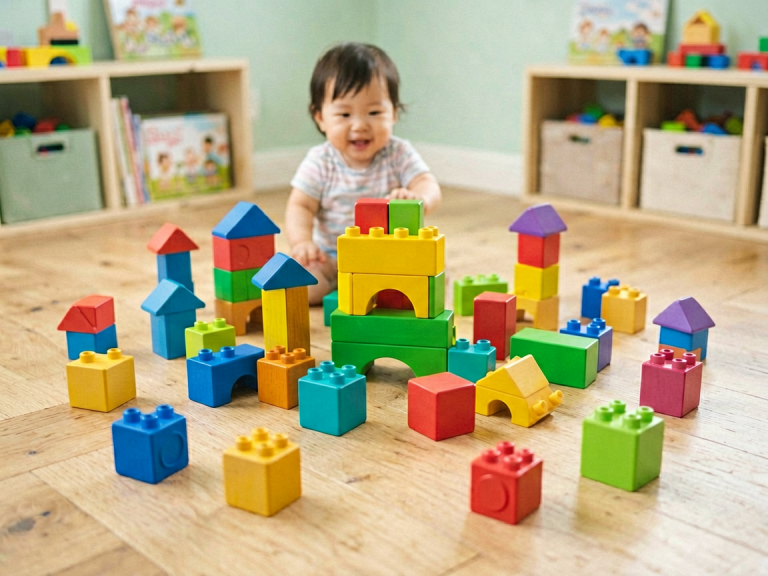
- Stacking and Nesting Toys: Whether it’s classic wooden rings on a pole or brightly colored nesting cups, these toys teach size relationships (big, medium, small), spatial awareness, and hand-eye coordination. The act of stacking requires concentration and patience, and the satisfying "plop" of a cup fitting inside another provides immediate feedback.
Language-Building Toys
Since vocabulary acquisition is a hallmark of this age, toys that encourage talking, listening, and comprehension are invaluable.
- Board Books with Engaging Features: Sturdy, interactive books with flaps, textures, or sound buttons capture a toddler’s attention. Repetitive text and simple illustrations help children predict what comes next, building pre-reading skills. Books about everyday routines (bath time, bedtime) are especially relatable and can ease transitions.
- Picture Cards and Matching Games: Simple matching games with two identical cards (or pictures) help develop memory and categorization skills. Start with just three or four pairs. As the child’s confidence grows, you can add more. While playing, narrate the objects: "You found the apple! The apple is red." This merges game play with language exposure.
- Puppets and Finger Animals: A soft hand puppet can “talk” to the child, ask questions, and tell stories. This encourages dialogue, even if the child only responds with single words. Puppets also help children express emotions—the puppet can say, "I am sad," and the child might relate their own feelings.
Imaginative and Pretend Play Toys
Pretend play becomes more sophisticated around age two. Children imitate what they see adults doing, which helps them understand social roles and rules.
- Play Kitchens and Tool Sets: A child-size kitchen with pots, pans, play food, and utensils lets a toddler cook, serve, and clean. This role-playing builds vocabulary (stir, chop, hot, cold), sequencing (first put the food in the pot, then stir), and social skills (offering a pretend snack). Similarly, a toy tool bench with plastic hammer, screwdriver, and wrench encourages problem-solving as the child figures out which tool fits where.
- Dolls and Stuffed Animals: Caring for a doll—feeding it, putting it to bed, giving it a bath—teaches empathy and nurtures communication. A two-year-old may talk to the doll, repeating phrases they hear from parents, which reinforces language patterns. Look for dolls with simple clothing (Velcro fasteners are easier than buttons) to also practice fine motor skills.
- Animal Figures and Vehicles: A set of farm animals, dinosaurs, or cars allows a child to create their own worlds. Driving a truck and making "vroom" sounds supports phonological awareness. Grouping animals by type or color introduces early classification skills.
Gross Motor Toys
Physical activity is crucial for both health and cognitive development. Toys that encourage movement also strengthen muscles, coordination, and balance.
- Push and Pull Toys: A wooden cart that a toddler can fill with blocks or a pull-along animal on wheels helps with walking stability and spatial navigation. As the child walks, they learn about direction and speed. Some push toys double as walkers for those still unsteady on their feet.
- Ride-On Toys (No Pedals): Small, foot-powered ride-on toys that a child propels by walking or scooting build leg strength and coordination. They also give a sense of independence. Ensure the toy is stable and has a low center of gravity to prevent tipping.
- Climbing Structures (Indoor/Outdoor): A small plastic slide, a soft foam climbing set, or a toddler-sized indoor jungle gym allows safe climbing, sliding, and crawling. These activities develop proprioception (awareness of body position) and confidence. Always supervise closely.
How to Choose Safe and Effective Learning Toys
Beyond educational value, safety is paramount for two-year-olds, who still explore with their mouths and have limited awareness of dangers. Here are critical criteria to consider when selecting learning toys for 2-year-olds.
Material and Construction
- Non-Toxic Materials: Look for toys made from solid wood (smooth, splinter-free), BPA-free plastics, and water-based paints. Avoid toys with lead or phthalates. If a toy smells strongly of chemicals, reject it.
- No Small Parts: The classic choke hazard test: any toy part that fits inside a standard toilet paper tube (about 1.25 inches in diameter) is too small for a two-year-old. Buttons, beads, and removable eyes on stuffed animals should be securely sewn.
- Durability: Two-year-olds are not gentle. Toys should withstand dropping, throwing, and rough handling. Check for sharp edges, loose screws, or parts that could break off.
Age Appropriateness
- Clear Age Labels: Most reputable manufacturers label toys with age recommendations. For 2-year-olds, look for "24 months+" or "Age 2+." However, use your judgment: some 18-month-olds are ready for certain 2+ toys, and some 2-year-olds still need simpler items.
- Challenge Level: The best learning toys are those that are *just slightly* beyond the child’s current ability—what developmental psychologist Lev Vygotsky called the “zone of proximal development.” If a toy is too easy, the child loses interest; if too hard, they become frustrated. Observe your child: do they need help with the puzzle or can they complete it easily?
Open-Ended vs. Single-Use
- Open-Ended Toys: These can be used in many ways. Blocks can be towers, houses, or roads. Play dough can be a snake, a ball, or a pancake. Open-ended toys foster creativity and adaptability, and they grow with the child.
- Single-Use Toys: Some electronic toys, for example, have only one function (press a button and hear a song). While these can be engaging briefly, they often limit imagination. Prioritize toys that allow the child to be the active player, not just a passive responder.
Removing Hidden Hazards
- Battery Compartments: If a toy uses batteries, the compartment should be secured with a screw (not a simple tab) to prevent the child from accessing and swallowing them.
- Cords and Strings: Long cords can be a strangulation hazard. Avoid toys with pull strings longer than 12 inches, and always remove any packaging ribbons before giving the toy.
- Magnetic Pieces: While high-quality magnetic toys (like some block sets) are safe, loose or small magnets that can be swallowed are extremely dangerous. Ensure magnets are embedded securely and cannot be pried out.
Practical Tips for Parents and Caregivers
Choosing the right toys is only half the equation. How you introduce and engage with the toys makes a significant difference in their learning potential.
Rotate Toys to Sustain Interest
A two-year-old’s attention span is short, and too many toys can be overwhelming. Instead of leaving everything out, rotate a small selection (e.g., 6–8 items) every week or two. This keeps the toys "new" and re-engages the child’s curiosity. Store the rest out of sight.
Play Along, But Let Them Lead
While it’s tempting to “teach” your child how to use a toy, the most profound learning comes from independent exploration. Sit nearby, observe, and occasionally model a new use (“I’m going to put the blue block on top”), but resist the urge to correct. If the child wants to stack blocks sideways instead of vertically, that’s fine—they are learning balance and gravity in their own way.
Use Language During Play
As your child plays, narrate their actions: “You are putting the cow in the barn. The cow says ‘moo.’” Ask open-ended questions: “Where should the horse go next?” This not only builds vocabulary but also demonstrates that play is a shared, communicative experience. Avoid drilling with flashcards; instead, weave learning naturally into play.
Don’t Forget Simple Items
Sometimes the best “learning toys” are not toys at all. A cardboard box becomes a cave, a car, or a hat. A ladle and a plastic bowl offer hours of scooping practice. Spoons, measuring cups, and empty containers from the kitchen (washed thoroughly) are excellent for sensory and motor play. Remember that expensive, branded toys are not inherently more educational than everyday objects—supervision is the key.
Conclusion
The world of learning toys for 2-year-olds is vast and sometimes overwhelming, but it can be navigated with a clear understanding of development. The best toys are those that respect the child’s innate drive to explore, communicate, and create. They are safe, open-ended, and matched to the child’s current abilities. More than any specific product, the presence of a caring adult who plays, talks, and listens transforms any toy into a powerful learning tool. So step back, let your two-year-old lead the way, and watch them learn through the purest form of education: joyful, hands-on play.