The Great Debate: Sensory Toys vs. Fidget Toys – Which Truly Delivers?
Introduction
In recent years, the popularity of small, tactile objects designed to occupy the hands and calm the mind has exploded. From classrooms to corporate offices, from therapy clinics to living rooms, these implements have become ubiquitous. Yet a quiet but persistent debate lingers among parents, educators, therapists, and users themselves: which is better, sensory toys or fidget toys? While the terms are often used interchangeably, they represent distinct categories with different purposes, mechanisms, and outcomes. Sensory toys are primarily designed to provide specific sensory input—tactile, visual, auditory, or proprioceptive—to help regulate the nervous system. Fidget toys, on the other hand, are typically smaller, simpler devices meant to channel restless energy and improve focus through repetitive motion. To declare one universally "better" would be to ignore the nuanced needs of diverse individuals. This article will dissect the characteristics, benefits, and limitations of each, examine the contexts in which they excel, and ultimately argue that the "better" choice depends entirely on the user's goals, sensory profile, and environment.
Understanding Sensory Toys: Tools for Regulation
What Defines a Sensory Toy?
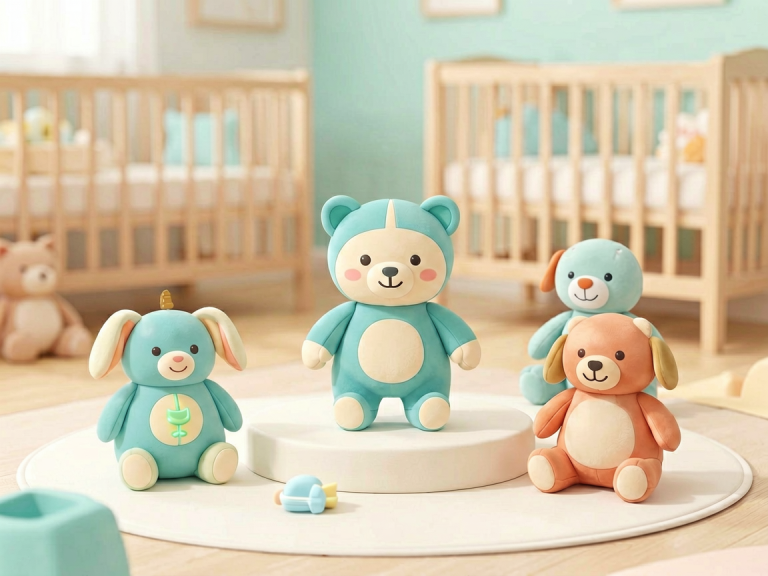
Sensory toys encompass a wide range of objects engineered to stimulate or soothe one or more of the senses. They are frequently used in occupational therapy, especially for individuals with autism spectrum disorder (ASD), attention deficit hyperactivity disorder (ADHD), sensory processing disorder (SPD), or anxiety. Examples include weighted blankets, textured balls, chewelry (chewable jewelry), vibrating pillows, putty with various consistencies, light-up wands, and sound machines. Unlike fidget toys, which often prioritize portability and discreetness, sensory toys may be larger, more complex, or require a dedicated space.
The Science Behind Sensory Stimulation
The therapeutic value of sensory toys lies in their ability to modulate the autonomic nervous system. For someone experiencing sensory overload—a common challenge for autistic individuals—a weighted blanket can provide deep pressure stimulation, activating the parasympathetic nervous system and promoting calm. Conversely, someone who is under-aroused may benefit from a vibrating toy or a brightly colored, spinning object that increases alertness. Sensory toys are not one-size-fits-all; they are selected based on an individual's sensory diet, a term used by occupational therapists to describe the specific input a person needs to function optimally. This personalization is a key strength. A child who craves oral stimulation may find comfort in a silicone chew necklace, while an adult with tactile defensiveness might prefer a smooth, cool stone.
Evidence and Efficacy
Research supports the use of sensory toys in clinical settings. A 2019 study in the *American Journal of Occupational Therapy* found that weighted vests improved attention and decreased stereotypic behaviors in children with autism. Similarly, tactile stimulation through textured materials has been shown to reduce cortisol levels in stressed individuals. However, critics note that the effectiveness of sensory toys depends heavily on correct matching. An inappropriate toy—for example, a high-stimulation squishy toy for someone already overstimulated—can exacerbate distress. This underscores the need for professional guidance, which is a barrier for many families.
Understanding Fidget Toys: Tools for Focus
The Rise of the Fidget Spinner
Fidget toys gained mainstream prominence around 2017 with the fidget spinner craze, but they have existed in various forms for decades—stress balls, worry stones, click pens, and even simple rubber bands. Their defining feature is repetitive, low-effort manipulation that occupies the hands without demanding conscious attention. The theory is that by engaging the motor cortex, fidget toys free up cognitive resources for higher-order tasks, such as listening to a lecture or completing homework. This concept is known as "fidget to focus."
Who Benefits Most?
Fidget toys are particularly popular among individuals with ADHD. The hyperactive component of ADHD often manifests as a need for constant movement. Suppressing this movement requires mental energy, leading to fatigue and reduced concentration. A fidget toy provides an acceptable outlet for this restlessness, allowing the brain to allocate more resources to the primary task. A 2021 study published in *Applied Cognitive Psychology* demonstrated that students with ADHD who used a discreet fidget toy during a listening comprehension task scored significantly higher than those who did not. However, the same study found that neurotypical students sometimes showed decreased performance when using a fidget toy, likely because the toy itself became a distraction.
Limitations and Criticisms
Fidget toys are not without controversy. In classrooms, they can create noise (think clickable cubes) or visual distractions, leading teachers to ban them. Moreover, their effect is highly individual: what works for one person may be a nuisance to another. The simplicity of many fidget toys can also be a double-edged sword—they lack the depth of sensory input that some individuals need for true regulation. A spinning ring might temporarily occupy the fingers, but it cannot provide the calming deep pressure that a weighted lap pad can.
Comparing Effectiveness: Context Is Everything
Therapeutic vs. Behavioral Goals
The primary distinction between sensory toys and fidget toys lies in their intended outcome. Sensory toys aim to *regulate* the nervous system—to bring an individual from a state of over- or under-arousal to a calm, alert state. Fidget toys aim to *channel* excess energy or improve focus during a specific task. For a child having a meltdown due to sensory overload, a fidget spinner will likely do nothing; a weighted blanket or a quiet, squishy object might help. Conversely, for an adult with ADHD trying to sit through a two-hour meeting, a small, silent fidget ring is more practical than a large textured mat.
Age and Developmental Considerations
Young children, especially those under five, often benefit more from sensory toys because their nervous systems are still developing and they have less ability to self-regulate. A toddler who chews on everything might need a chewable sensory necklace, not a fidget cube. Older children and adults, however, may prefer the discretion of fidget toys. In professional settings, a spinning pen or a magnetic fidget toy can be used without drawing attention, whereas a sensory brush or a vibrating cushion is harder to conceal.
Environmental Constraints
The environment heavily influences the choice. In a quiet library, a fidget toy that clicks or rattles is inappropriate, but a smooth worry stone is fine. In a loud, chaotic classroom, a sensory toy that provides auditory stimulation could add to the noise problem. Similarly, in a therapy session, a trained professional may use a large sensory toy like a swing or a trampoline, which has no analog in the fidget category. The portability and low cost of fidget toys make them more accessible for everyday use, while sensory toys often require a larger investment and more space.
Hybrid Solutions: The Best of Both Worlds?
The Rise of Multi-Purpose Tools
Recognizing the limitations of strictly categorized toys, manufacturers have begun designing products that bridge the gap. For example, a weighted lap pad with removable, textured pockets can serve as both a deep pressure sensory tool and a fidget-friendly surface. Some fidget cubes now incorporate multiple textures and a smooth, silent mechanism, making them useful for both focus and calming. These hybrid tools acknowledge that the line between sensory and fidget is blurred. A person might use a squishy ball to both regulate anxiety (sensory) and stay focused during a phone call (fidget).
Personalized Selection Over Generalization
The most effective approach is not to ask which category is better, but rather to evaluate the individual's unique needs. Occupational therapists often conduct sensory profiles to determine whether a person is a "sensory seeker" (needs more input) or a "sensory avoider" (needs less). A seeker might thrive with a vibrating sensory toy, while an avoider might prefer a simple, untextured fidget tool. Similarly, the context of use matters: during exam preparation, a silent fidget ring may be ideal; during a panic attack, a sensory breathing tube (a tube that provides resistance when exhaled) could be more effective.
Conclusion: No Universal Winner
To declare sensory toys or fidget toys universally "better" is to oversimplify a complex human experience. Both categories have strong evidence supporting their use in specific circumstances. Sensory toys excel at nervous system regulation, making them indispensable in therapeutic settings and for individuals with profound sensory processing differences. Fidget toys shine in promoting focus and managing restlessness during seated tasks, especially for those with ADHD. The real answer lies in understanding that these tools are not competing alternatives but complementary resources. A well-stocked toolkit should include both, selected with intentionality. Parents, educators, and users must resist the temptation to chase trends and instead invest in understanding what their own bodies, or the bodies of those they care for, truly need. In the end, the best toy is the one that works—whether it is a simple spinner or a sophisticated sensory board. The debate should not be about which is better, but about how we can better match tools to individuals, fostering calm, focus, and well-being in a world that rarely offers either.