More Than Just a Price Tag: The Real Value of Cheap vs. Expensive Toys for Kids
Introduction
Walk into any toy store, and you are immediately confronted with a dizzying spectrum of choices. On one shelf, a brightly colored plastic playset costs the equivalent of a cup of coffee; on another, an elegantly designed wooden train set commands a price that could feed a family for a week. This stark divide between cheap toys and expensive toys has long puzzled parents, educators, and even child psychologists. While the price tag is an immediate and obvious differentiator, the deeper question is far more nuanced: Which type of toy truly benefits a child’s development? Do expensive toys justify their cost in terms of educational value, durability, and joy? Or do cheap toys, with their abundance and immediate gratification, hold a hidden advantage? This article explores the multifaceted comparison between cheap and expensive toys, examining their impact on creativity, safety, environmental footprint, and the emotional well-being of children.
The Allure of Cheap Toys: Accessibility and Variety
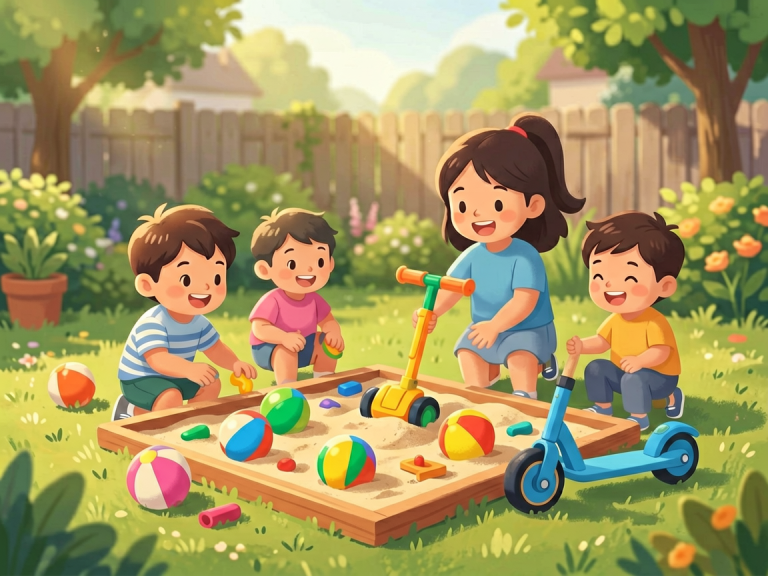
Cheap toys, often mass-produced from low-cost materials like thin plastic, enjoy an undeniable appeal: they are accessible. For families with limited budgets, these toys allow children to have a diverse collection without financial strain. A basket of small plastic animals, a pack of bouncy balls, or a set of action figures from a discount store can provide hours of immediate fun. The variety itself can be stimulating. A child who owns ten different cheap toys might engage in more role-playing scenarios than a child with only one expensive item, simply because there are more props to work with.
Moreover, cheap toys often come with a lower emotional cost when they break. A toddler who accidentally steps on a cheap toy car and crushes it is unlikely to cause a household crisis. This freedom from anxiety about loss or damage can actually encourage more vigorous, exploratory play. Children learn through trial and error, and inexpensive toys can be used in ways that are messy, experimental, or even destructive without guilt. For example, cheap modelling clay or budget-friendly art supplies allow kids to create and discard freely, fostering a mindset of process over product.
However, the low price often comes with compromises. Cheap toys tend to have a shorter lifespan. The cheap plastic may crack, the paint may chip, and the batteries may die quickly. More critically, the materials used in cheap toys sometimes contain harmful chemicals, such as phthalates or lead, raising serious safety concerns. A $1 toy that breaks into sharp fragments can pose a choking hazard, whereas a higher-quality toy is typically tested more rigorously. Therefore, while cheap toys offer quantity, they may sacrifice quality and safety.
The Promise of Expensive Toys: Quality and Developmental Support
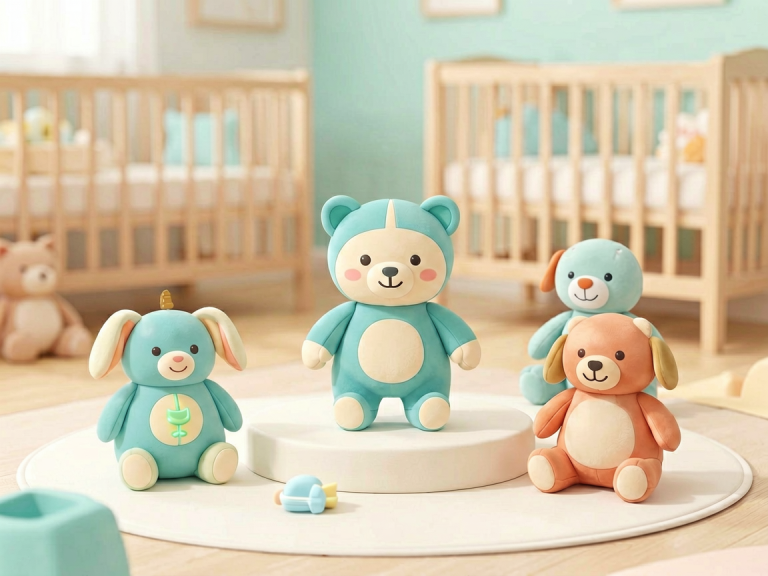
On the other side of the spectrum, expensive toys are often marketed as investments in a child’s future. Brands like Montessori, Lego, or Melissa & Doug emphasize durability, educational design, and timeless appeal. A well-crafted wooden puzzle, for instance, can survive years of use and even be passed down to younger siblings. The tactile experience of smooth wood versus rough plastic can enhance sensory development. Expensive toys frequently incorporate open-ended play principles: a set of magnetic building tiles, for example, can be used to construct anything from a castle to a spaceship, stimulating spatial reasoning, problem-solving, and creativity.
Many expensive toys are designed with specific developmental milestones in mind. A high-quality set of stacking blocks might have graduated sizes that teach mathematical concepts; a musical instrument toy might use real tones rather than distorted electronic sounds. These toys often come with detailed instructions, online resources, or even companion apps that guide parents in extending the learning experience. The attention to detail—smooth edges, non-toxic paints, robust mechanisms—also means that parents can feel more confident about safety.
Yet, the assumption that expensive automatically equals better is flawed. A $100 toy that sits untouched after the first week is a poor investment, no matter how well-made it is. Children are naturally drawn to novelty, and an expensive toy that does not capture their imagination can quickly become a dust collector. Moreover, the rigidity of some expensive toys—those that are too structured or that require following a specific set of steps—can actually stifle creativity. If a toy’s main selling point is that it teaches a specific skill, it may not allow for the messy, open-ended exploration that children thrive on.
The Hidden Costs: Durability, Safety, and Environmental Impact
When comparing cheap and expensive toys, it is essential to consider their full lifecycle costs. A cheap toy that breaks after a month must be replaced, leading to more plastic waste and more money spent over time. In contrast, a high-quality toy that lasts for years may actually be more economical in the long run. However, this logic applies only if the child actually plays with that expensive toy consistently.
Safety is another critical factor. In many countries, cheap toys from unregulated manufacturers may contain hazardous levels of heavy metals, sharp edges, or small parts that detach easily. Expensive toys, particularly those from reputable brands, generally adhere to stricter safety standards. Yet, not all expensive toys are automatically safe; even high-end products have been recalled for defects. Parents must be vigilant regardless of price.
Environmental impact is increasingly important. Cheap toys are often made from virgin plastics that are not recyclable, and their short lifespan contributes to the global plastic crisis. Expensive toys made from sustainable materials like wood, organic cotton, or recycled plastics can be a greener choice, especially if they are designed to be long-lasting. However, the manufacturing and shipping of a heavy wooden toy also have a carbon footprint. The most eco-friendly toy might actually be a second-hand one, regardless of its original price.
The Role of Imagination: How Toys Shape Creativity
Perhaps the most profound difference between cheap and expensive toys lies not in the materials but in the degree to which they engage a child’s imagination. Renowned child development experts, from Jean Piaget to Lev Vygotsky, have emphasized that the best toys are those that allow for symbolic play and open-ended use. A cardboard box, which costs nothing, can become a spaceship, a castle, or a time machine. A simple set of Lego bricks (which, depending on the set, can be cheap or expensive) offers similar open-ended potential.
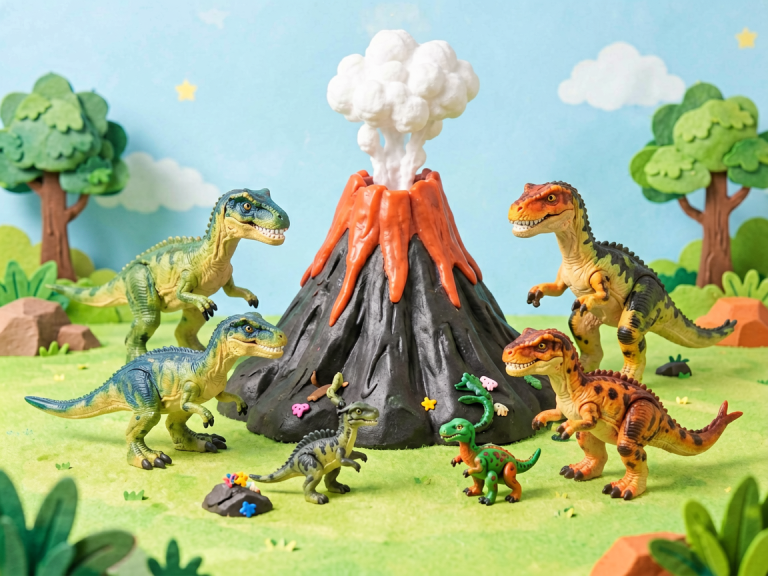
Ironically, many expensive toys are overly prescriptive. A remote-controlled car that does one thing—drive forward and backward—offers limited imaginative play compared to a cheap pull-string car that a child can use in a self-created narrative. The same is true for high-tech toys: a tablet loaded with educational apps might teach letters, but it can also reduce face-to-face interaction and limit physical play. Cheap toys, precisely because they are often less sophisticated, force children to fill in the gaps with their own ideas. A cheap plastic dinosaur can be a pet, a monster, or a hero in a child’s story; an animatronic dinosaur that roars and moves on its own may actually dampen that creativity because the child’s role becomes passive.
Parental Perspectives: Guilt, Status, and Budget
Parents’ choices between cheap and expensive toys are rarely based on theoretical development alone. Emotions play a huge role. Many parents feel guilt if they cannot afford the toys their children see in advertisements or at friends’ houses. This guilt can lead to impulse purchases of expensive toys, even when the family budget is strained. Conversely, some parents take pride in buying high-quality educational toys, viewing them as a form of cultural capital that gives their child a competitive edge.
There is also a social dimension. In certain circles, having expensive toys can be a status symbol. A child who brings a brand-name dollhouse to a playdate may be viewed as privileged, while a child with a generic version may feel left out. This social pressure can be toxic, teaching children to value possessions over experiences. On the other hand, cheap toys can help families avoid the trap of consumerism, shifting the focus from what a toy costs to how it is used. Indeed, many of the most beloved childhood toys are simple and inexpensive: a jump rope, a set of wooden blocks, or even a collection of sticks found in the backyard.
Finding a Balance: What Really Matters for Kids
After examining both sides, it becomes clear that neither cheap nor expensive toys are inherently superior. The key is intentionality. A thoughtful parent can curate a mix: a few high-quality, durable items that support motor skills and cognitive development, supplemented by a variety of inexpensive items that encourage imaginative play, social interaction, and experimentation. The most important qualities of a toy are not its price but its safety, its ability to engage a child’s interest over time, and its capacity to stimulate creativity rather than simply entertain.
Parents should also consider alternative sources. Hand-me-down toys, garage sale finds, and library toy rentals can provide high-quality experiences at low cost. Ultimately, a toy is a tool, not an idol. A child’s development is shaped far more by the quality of interaction with caregivers and peers than by the contents of a toy box. The best “toy” in many households is still a parent’s willingness to sit on the floor and play pretend, or a cardboard box transformed into a fort. In that light, the cheap vs. expensive debate becomes less about money and more about mindfulness.
Conclusion
The great divide between cheap and expensive toys is a reflection of our broader consumer culture, but it need not dictate how children play. Cheap toys offer accessibility, variety, and freedom from fear of breakage, while expensive toys can provide durability, safety, and thoughtful design. The real winner in this comparison is the child who is given the time, space, and encouragement to play—whether with a ninety-cent yo-yo or a ninety-dollar train set. As long as a toy sparks joy, fosters interaction, and respects safety, its price tag is secondary. After all, the most expensive toy in the world is worthless if it sits unused in a closet, while a humble stick becomes a wizard’s wand for a child whose imagination knows no bounds.