The Artful Play: How Art Toys and Craft Kits Are Redefining Creativity
Introduction
In an age dominated by digital screens and virtual experiences, a quiet revolution is unfolding on shelves, desks, and studio tables around the world. Art toys and craft kits—once dismissed as childish pastimes or niche collector’s items—have blossomed into a vibrant, multifaceted phenomenon that bridges the gap between fine art, play, and personal expression. From the highly sought-after designer vinyl figures that command thousands of dollars at auction, to the humble DIY embroidery kit that offers a meditative escape from daily stress, these objects are reshaping how we think about creativity, ownership, and the very definition of art. This article explores the cultural, educational, and economic dimensions of art toys and craft kits, revealing why they have captured the hearts of both casual hobbyists and serious connoisseurs.
The Rise of Art Toys: From Underground to Mainstream
Art toys, often referred to as designer toys or urban vinyl toys, trace their origins to the late 1990s and early 2000s in Hong Kong and Japan. Pioneers like Michael Lau and Takashi Murakami began producing limited-edition vinyl figures that were neither traditional toys nor conventional sculptures. They were something new: accessible yet collectible, playful yet conceptually rich. These early figures were heavily influenced by graffiti culture, street art, and manga, and they quickly developed a cult following among artists, designers, and collectors who sought an alternative to the slick, mass-produced action figures sold in big-box stores.
Today, the art toy market has exploded into a global industry. Brands such as Kidrobot, Medicom Toy, and KAWS have become household names, while independent artists release small-batch resin casts through social media platforms and dedicated online marketplaces. What makes art toys so compelling is their ability to serve as a canvas for artistic vision. A blank vinyl figure can be transformed by a painter, sculptor, or digital artist into a unique statement piece, blurring the line between a product and an original artwork. Many contemporary artists—like Yoshitomo Nara, Javier Calleja, and Daniel Arsham—now create art toys as an integral part of their practice, using them to reach audiences who might never set foot in a gallery.
The appeal is not merely aesthetic. Collecting art toys has become a form of cultural participation. Each drop—whether it is a new colorway of a popular character or a collaboration with a famous artist—creates a frenzy of anticipation. Buyers camp out online or queue at pop-up shops, driven by the thrill of securing something scarce. This behavior mirrors the dynamics of the contemporary art market but is more democratic in its entry point. A $100 figure can be the start of a collection that someday appreciates in value, but more importantly, it is an object that brings joy, provokes conversation, and connects its owner to a global community of like-minded enthusiasts.
Craft Kits: A Return to Hands-On Creation
While art toys celebrate the finished object, craft kits celebrate the process. In recent years, there has been a remarkable revival of interest in hands-on activities like embroidery, knitting, candle-making, pottery, and even soap casting. This resurgence is partly a reaction against the impersonality of digital life. When we spend hours scrolling through curated feeds of others’ achievements, the act of making something with our own hands can feel grounding, tangible, and deeply satisfying.
Modern craft kits are far removed from the clunky, low-quality sets of previous decades. Today, they are designed with both aesthetics and pedagogy in mind. A typical kit includes high-quality materials, clear instructions, and often access to online video tutorials. For example, a watercolor painting kit might contain professional-grade pigments, a selection of brushes, and a step-by-step guide to painting a landscape, along with a link to a live-streamed class. A beginner’s embroidery kit might come with a pre-printed fabric pattern, a hoop, needles, and a rainbow of colored threads, all packaged in an eco-friendly box that feels like a gift to oneself.
The craft kit industry is booming thanks to a convergence of trends. The pandemic accelerated interest in home-based hobbies, as locked-down individuals sought productive ways to fill their time. Meanwhile, the rise of platforms like Etsy, YouTube, and Instagram has created a vast marketplace for independent creators to sell their own kits. Small businesses—often run by single artisans—can now reach customers worldwide, offering niche products that cater to specific tastes: macrame wall hangings, polymer clay earrings, pressed-flower art, or natural-dye experiments.
The psychological benefits of engaging with craft kits are well documented. Researchers have shown that repetitive, focused manual activities—such as knitting or cross-stitching—can lower cortisol levels, reduce anxiety, and induce a state of flow similar to meditation. Moreover, completing a kit provides a sense of accomplishment that is often missing in our fast-paced, goal-oriented lives. You don’t have to be a master artisan to enjoy the process; the kit scaffolds your learning, allowing you to succeed even with zero prior experience. This accessibility is key to the craft kit’s enduring appeal: it democratizes creativity and invites everyone to participate, regardless of skill level.
The Educational and Therapeutic Value
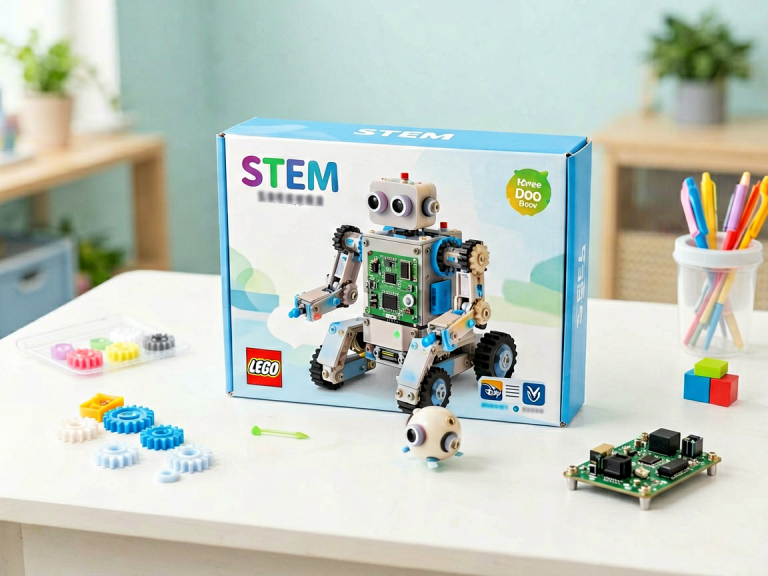
Beyond mere hobbyism, both art toys and craft kits have found serious applications in education and therapy. In classrooms, teachers use art toys to discuss concepts of design, mass production, and the economics of the art world. A lesson built around a limited-edition figurine can spark conversations about branding, intellectual property, and cultural appropriation. Meanwhile, craft kits are increasingly used in STEM and STEAM education. A robot-building kit that requires soldering and coding teaches engineering principles; a chemistry set for making bath bombs introduces basic chemical reactions; a sewing kit develops fine motor skills and spatial reasoning. The hands-on nature of these activities helps students grasp abstract concepts through concrete experience, making learning more memorable and engaging.
In therapeutic settings, craft kits serve as a tool for self-expression and emotional regulation. Occupational therapists often use simple craft projects to help patients recover hand-eye coordination or fine motor skills after injury. Art therapists use the process of coloring, sculpting, or assembling to facilitate communication with clients who have difficulty verbalizing their feelings. The rise of adult coloring books—a specialized form of craft kit—was fueled in part by their proven ability to reduce stress and promote mindfulness. Similarly, building a model kit or assembling a puzzle can provide a temporary escape from rumination, offering a structured, calming activity that restores mental balance.
Collecting as a Subculture
Collecting art toys is not merely an investment strategy; it is a cultural identity. Enthusiasts organize online forums, attend conventions like DesignerCon or Toy Art Gallery shows, and trade tips on storage, authentication, and future releases. The community is often tight-knit, with members sharing photos of their collections, organizing group buys to reduce shipping costs, and supporting emerging artists by crowdfunding new projects. For many, the hunt for a rare piece is as thrilling as the ownership itself. Limited-edition runs—sometimes as few as 10 to 50 pieces—create a scarcity that fuels secondary markets where prices can skyrocket. A KAWS “Companion” figure originally sold for $200 might now change hands for several thousand dollars, making it a legitimate alternative asset class.
However, the collecting world is not without controversy. Scalpers—individuals who buy large quantities of new releases solely to resell at inflated prices—are a persistent frustration. Critics also argue that the high prices and exclusivity of some art toys contradict the democratic, playful spirit that gave birth to the movement. Yet, these debates are part of what makes the field dynamic. They force artists and companies to rethink their distribution strategies, leading to innovations like blind boxes, lottery systems, and timed releases that aim to level the playing field.
The Intersection of Art and Commerce
Perhaps the most fascinating aspect of art toys and craft kits is how they challenge traditional boundaries between art and commerce. In a contemporary art world that often feels inaccessible—with white-walled galleries, intimidating price tags, and arcane critical discourse—art toys offer a direct, joyful connection. They are simultaneously mass-produced and unique, commercial and artistic, functional and useless. This paradox is precisely what makes them so powerful. They invite us to reconsider what art can be: not just a painting on a wall or a sculpture on a pedestal, but a vinyl figurine on a bookshelf, a hand-painted mug on a desk, a woven wall hanging that took three evenings to complete.
Craft kits, in turn, challenge the notion that art is something done only by professionals. They empower ordinary people to engage in creative acts, to make mistakes, to learn, and to produce something that is authentically their own. In a world where we consume so much and create so little, craft kits are a gentle rebellion. They remind us that the value of art lies not only in the final product but also in the time, attention, and love invested along the way.
Conclusion
Art toys and craft kits are more than just products; they are cultural phenomena that speak to deep human needs—for connection, for mastery, for play, and for beauty. Whether you are a seasoned collector of limited-edition vinyl figures or someone who enjoys spending a quiet evening with a crochet hook, these objects offer a pathway into a richer, more engaged relationship with creativity. They remind us that art is not an exclusive domain reserved for the talented few, but a universal language that anyone can learn to speak. As we navigate an increasingly digital and often alienating world, the humble art toy and the simple craft kit stand as beacons of tangible, tactile joy. They invite us to pick up a brush, a needle, or a spray can—and to make something extraordinary out of the ordinary.