Art Toys vs Craft Kits: Two Paths to Creativity, One Question of Freedom
—
Introduction: The Creative Dilemma
In an age where creativity is celebrated as a vital skill for both children and adults, the market for creative products has exploded. Two categories often dominate the shelves of toy stores, online marketplaces, and educational catalogs: art toys and craft kits. At first glance, they might seem interchangeable—both promise hours of artistic engagement, both are sold as tools for self-expression. Yet a closer examination reveals fundamental differences in philosophy, process, and outcome. Art toys invite open-ended exploration, while craft kits guide users through predetermined steps. This article delves into the nuanced distinctions between art toys and craft kits, exploring their respective impacts on creativity, learning, and personal fulfillment. By understanding these differences, parents, educators, and enthusiasts can make more informed choices—and perhaps rediscover what it truly means to create.
—
Defining Art Toys and Craft Kits
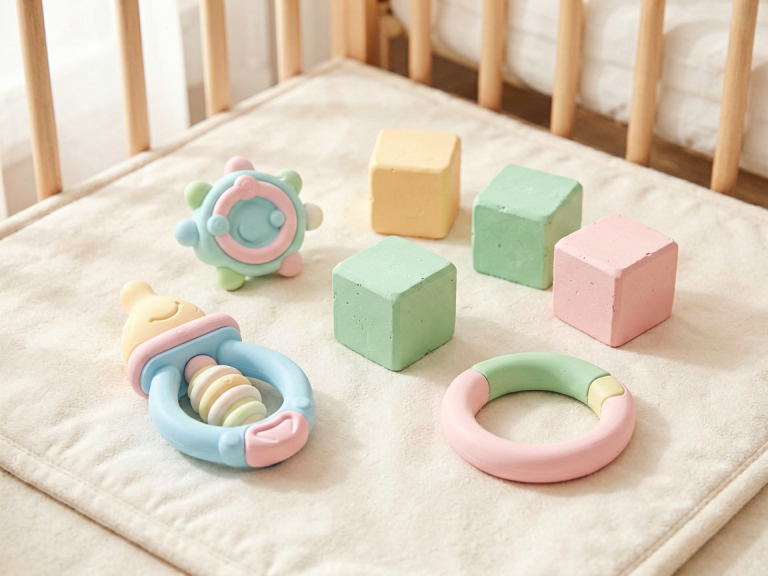
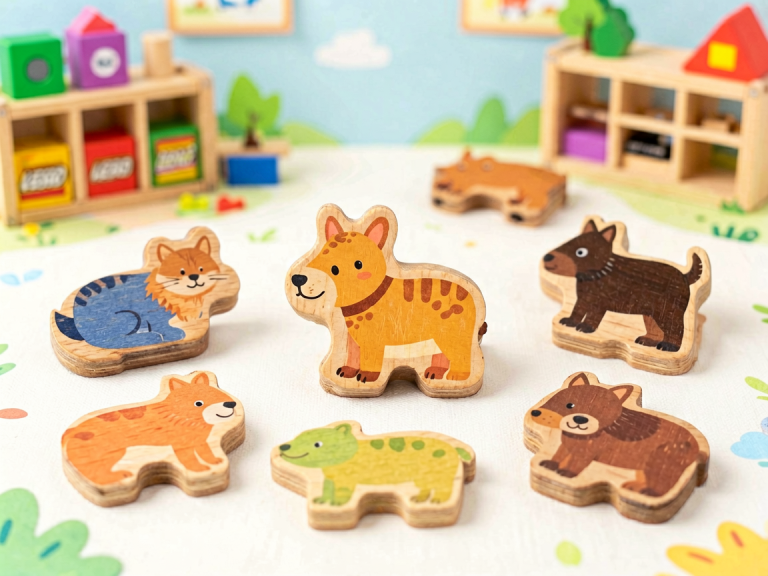
Art toys are creative objects designed for free-form manipulation. Think of modeling clay, building blocks, magnetic tiles, paint sets with no instructions, or blank canvas boards. Their defining characteristic is unstructured potential: the user decides what to make, how to make it, and when to stop. An art toy does not come with a picture of a finished product; instead, it offers raw materials and tools, trusting the user’s imagination to steer the journey.
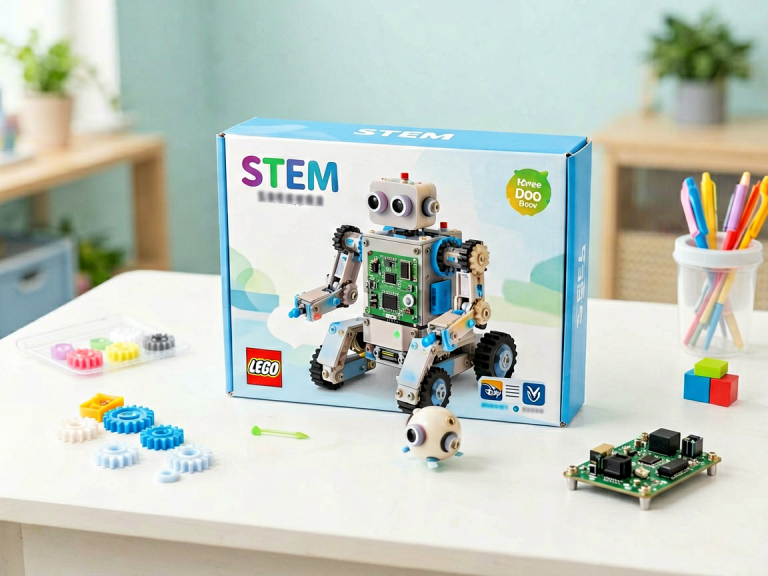
Craft kits, on the other hand, are packaged projects with specific goals. They include all necessary materials and step-by-step instructions to produce a predetermined result. Examples include a bead bracelet kit, a paint-by-number set, a wooden birdhouse assembly kit, or a cross-stitch pattern. The satisfaction of a craft kit comes from following directions accurately and achieving a product that closely matches the picture on the box.
At their core, art toys emphasize process, while craft kits emphasize product. This distinction is not merely academic; it shapes how users experience creativity, frustration, and joy.
—
The Creative Process: Open-Ended Exploration vs. Guided Execution
One of the most profound differences lies in the creative process itself. With art toys, there is no right or wrong. A child given a set of watercolor paints and a blank sheet of paper can mix colors arbitrarily, paint outside the lines, or even crumple the paper and turn it into a sculpture. The act of creation is fluid and responsive to the moment. Mistakes become happy accidents, and the absence of a model means the user must generate ideas internally, exercising divergent thinking.
Craft kits, conversely, provide a clear roadmap. The user follows numbered steps, matches colors to pre-assigned spaces, and assembles components in a fixed order. The cognitive demand is more about convergent thinking: attention to detail, sequencing, and pattern recognition. While this can be deeply satisfying—especially for individuals who prefer structure or feel anxious with open-ended tasks—it limits the scope for original expression. The final product is already imagined; the creator’s role is to replicate it faithfully.
Research in developmental psychology suggests that open-ended play fosters executive function skills such as planning, flexibility, and self-regulation. A study published in *Frontiers in Psychology* (2019) found that children who engaged in unstructured construction play showed greater creativity and problem-solving abilities compared to those who followed instruction-based activities. However, craft kits also have their merits: they can build confidence in novices who feel intimidated by a blank slate, and they teach practical skills like following instructions and fine motor control.
The key is not to declare one superior, but to recognize that they serve different cognitive and emotional needs.
—
Target Audiences and Uses: Who Benefits from What?
Art toys are particularly powerful for very young children (ages 2–6) because they align with the exploratory nature of early childhood. A toddler with a lump of dough will poke, squeeze, and roll it without any agenda—a pure sensory-motor experience that lays the foundation for later symbolic thinking. As children grow older, art toys continue to support imagination: a set of LEGO bricks without a specific theme can become a spaceship, a castle, or a dinosaur, depending on the child’s current obsession.
Craft kits often appeal to school-aged children and adults who seek a relaxing, low-anxiety creative outlet. The assembly-line nature of a kit can be meditative. For example, adult coloring books and diamond painting kits have surged in popularity precisely because they offer a structured, repetitive activity that reduces stress without demanding artistic skill. Craft kits also excel in social settings: a group of friends building the same miniature house or knitting the same scarf can compare results and share techniques, creating a sense of community.
In educational settings, the two approaches serve different curricular goals. Art toys support STEAM (Science, Technology, Engineering, Art, Math) education by encouraging experimentation and iteration. A child who builds a bridge with magnetic tiles and watches it collapse learns about structural integrity through trial and error. Craft kits, on the other hand, are excellent for teaching procedural learning and attention to detail, which are valuable in fields like programming or laboratory work.
—
Educational and Therapeutic Benefits: Beyond the Surface
Both art toys and craft kits have documented therapeutic benefits, but their mechanisms differ. Art therapy often uses open-ended materials (clay, paint, collage) to allow clients to express unconscious feelings. The lack of prescribed outcome creates a safe space for emotional exploration. For instance, a person experiencing grief might sculpt a form that represents loss—something no craft kit could facilitate.
Craft kits are increasingly used in occupational therapy to improve fine motor skills, hand-eye coordination, and executive function in individuals with developmental delays or brain injuries. The clear steps provide a sense of accomplishment and predictability, which can be calming for people with anxiety or autism spectrum disorders. However, the same predictability can become a limitation: if a user becomes overly reliant on kits, they may struggle to initiate their own creative projects.
From an educational standpoint, the debate echoes long-standing discussions about convergent vs. divergent thinking. Sir Ken Robinson, the late education advocate, famously argued that schools often kill creativity by rewarding standardized answers. Craft kits, in some ways, reinforce that paradigm by valuing accuracy over originality. Yet modern pedagogy also recognizes that some students thrive with structure as a scaffold before moving to open-ended work. The ideal curriculum blends both: first, a craft kit teaches a technique (e.g., how to weave a potholder); then, an art toy invites the student to weave an original design.
—
The Cultural and Commercial Landscape
The market for creativity products is booming. According to a 2023 report by Grand View Research, the global arts and crafts market was valued at over $50 billion, with craft kits representing a significant share. Art toys, while less precisely measured, have gained traction through brands like Magna-Tiles, Play-Doh, and LEGO’s “Classic” line, which explicitly offers open-ended building sets alongside themed kits. The rise of subscription boxes (KiwiCo, Little Passports) further blurs the line, but many of these boxes lean toward craft kits because they guarantee a finished product and a sense of value.
Interestingly, the COVID-19 pandemic accelerated demand for both. Parents working from home sought ways to occupy children, and adults turned to crafting as a coping mechanism. Social media platforms like Pinterest and TikTok amplified the appeal of finished craft projects—showing off a completed diamond painting “like and follow” culture. Art toys, however, rarely produce Instagram-worthy results because each creation is unique and often ephemeral. A Play-Doh blob melted overnight; a magnetic tile castle knocked down. This ephemerality can be a drawback for those seeking tangible keepsakes but a benefit for those valuing process over product.
Commercial strategies often exploit the tension. A craft kit may market itself as “creative” because it involves hands-on activity, while an art toy may be perceived as “messy” or “directionless.” Parents, influenced by the desire for visible progress, frequently choose kits. Yet educators and child development experts consistently advocate for more unstructured play. The challenge is to balance consumer expectations with developmental needs.
—
Conclusion: Which One Should You Choose?
The question “art toys vs craft kits” is ultimately not a competition but a call for intentionality. Both have a place in a well-rounded creative life. Art toys nourish the soul’s capacity for wonder, spontaneity, and original thinking. They teach resilience because a failed experiment is not a failure—it’s data. Craft kits, on the other hand, offer the satisfaction of mastery, the comfort of a clear path, and the joy of sharing a replicable outcome.
For parents, the best strategy is to provide both, but with awareness. Surround young children with art toys as a primary diet, and introduce craft kits as occasional treats or skill-building exercises. For adults, consider your emotional state: when you feel overwhelmed, a craft kit might ground you; when you feel stuck, an art toy might unlock a new perspective. Ultimately, creativity is not about the product on the shelf but the journey within. Whether you choose a lump of clay or a paint-by-number, the most important thing is to keep creating—and to honor the unique way your mind shapes the world.
—
*Word count: approximately 1,200 words.*