Safe Play, Happy Kids: A Comprehensive Guide to Age-Appropriate Toy Safety for 3-Year-Olds
The age of three is a magical milestone in a child’s development. Toddlers become more independent, curious, and physically active. They run, jump, climb, and engage in imaginative play. Their fine motor skills improve, allowing them to manipulate small objects, stack blocks, and turn pages. However, with this newfound autonomy comes a heightened risk of injury from toys that are not designed with their specific developmental stage in mind. Ensuring age-appropriate toy safety for 3-year-olds is not just about preventing choking hazards; it encompasses a broad spectrum of considerations including material toxicity, structural integrity, and cognitive appropriateness. This article provides a detailed, research-based guide to help parents, caregivers, and educators select and maintain safe toys for children in this critical age group. By understanding the unique needs and vulnerabilities of a 3-year-old, we can create a play environment that fosters joy, learning, and above all, safety.
Understanding the Developmental Needs of a 3-Year-Old
To choose safe and appropriate toys, one must first appreciate what a 3-year-old is capable of—and what they are not yet ready for. At this age, children are developing rapidly in several domains:
- Gross Motor Skills: They can walk backward, run with better coordination, pedal a tricycle, and throw a ball overhand. Toys that encourage movement, such as ride-on vehicles, push-and-pull toys, and toddler-sized balls, are excellent choices. However, any toy that involves wheels, pedals, or moving parts must be stable and low to the ground to prevent falls.
- Fine Motor Skills: Three-year-olds can build towers of 6–8 blocks, use crayons with a tripod grip, and manipulate large buttons and zippers. Toys with small parts (like beads or tiny pegs) present a choking hazard if they are smaller than 1.75 inches in diameter or can fit through a standard toilet paper roll. Therefore, while puzzles with large knobs and chunky pieces are ideal, sets with detachable small components should be avoided unless closely supervised.
- Cognitive Development: Imaginative play blossoms: children engage in make-believe, imitate adult activities, and begin to understand simple rules. Kitchen sets, toy telephones, dress-up costumes, and simple board games (with few rules) support cognitive growth. But any toy that requires complex assembly, has sharp edges, or includes electronic components that can be pried open by curious fingers poses risks.
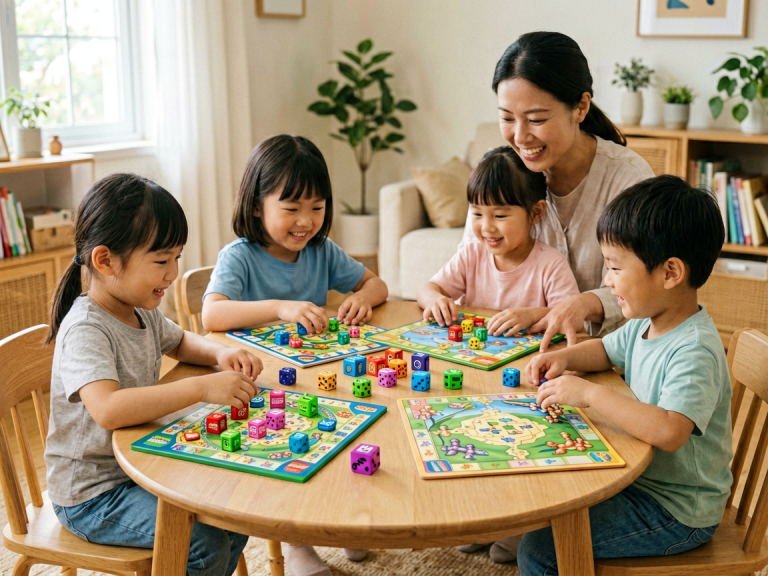
- Social and Emotional Development: Parallel play transitions to interactive play. Children learn to take turns and negotiate. Toys that encourage cooperation, such as sand and water tables or large building blocks, are beneficial. However, toys that shoot projectiles (even soft darts) or have loud, startling noises can overstimulate or frighten a 3-year-old, leading to accidental misuse.
Safety guidelines from organizations such as the American Academy of Pediatrics (AAP) and the U.S. Consumer Product Safety Commission (CPSC) emphasize that “age-appropriate” does not automatically mean “safe.” A toy labeled for ages 3+ passes certain federal standards for small parts, but it may still contain hazardous materials or design flaws. Parents must look beyond the label.
Common Toy Hazards for Toddlers
Even a well-intentioned toy can become dangerous if it fails to meet safety criteria. The most common hazards for 3-year-olds include:
- Choking and Aspiration Hazards: The greatest threat remains small parts. Kids at this age still explore the world through their mouths, especially when tired or distracted. Toys that break into small pieces, marbles, coins, and game pieces smaller than a standard 35mm film canister (about 1.25 inches in diameter) are strictly forbidden. Also beware of button batteries—common in singing toys and remote controls—which can cause severe internal burns if swallowed.
- Strangulation Risks: Cords, strings, and ribbons longer than 12 inches on toys (such as pull-along animals or hoodie drawstrings) can accidentally wrap around a child’s neck. In 2022, the CPSC reported dozens of incidents involving cords on toys for young children. Always trim or remove long strings from hats, bags, and play items.
- Sharp Edges and Protrusions: Broken plastic, metal edges on toy cars, or rough wooden surfaces can cause cuts and scrapes. Inspect all toys for splinters, burrs, or jagged seams. Battery compartments should be secured with screws that require a tool to open, preventing access to batteries and small springs.
- Pinch Points and Moving Parts: Hinges on toy chests, folding dollhouses, or scissor-like mechanisms can trap tiny fingers. Look for toys with smooth hinges and no gaps less than 5 mm or greater than 12 mm when open—these are common pinch zones.
- Toxic Materials and Phthalates: Young children often put toys in their mouths, so lead in paint, phthalates in soft plastics, and BPA in coatings are serious concerns. In the United States, toys must meet the Consumer Product Safety Improvement Act (CPSIA) limits for lead and phthalates. Always choose toys made from non-toxic, food-grade materials when possible. Avoid painted wooden toys from unverified sources, as some cheap imports may contain lead.
- Noise-Induced Hearing Damage: Many electronic toys produce sounds at levels above 85 decibels. A 3-year-old’s ears are still developing, and prolonged exposure to loud toys can lead to hearing loss. Test a toy before buying; if it seems too loud to you, it is too loud for a child.
Key Safety Standards and Certifications to Look For
Navigating the toy aisle can be overwhelming, but several trusted labels can guide your decision:
- ASTM F963: This is the standard consumer safety specification for toy safety in the United States. Toys that comply with ASTM F963 have been tested for mechanical, physical, and flammability hazards. Look for the mark on the packaging.
- CPSC and CPSIA: The CPSC enforces mandatory safety requirements. The CPSIA (Consumer Product Safety Improvement Act) mandates third-party testing for toys intended for children under 12. Products meeting these regulations will often state “CPSC Compliant” or “CPSIA Tested.”
- CE Marking: In the European Union, the CE mark indicates conformity with health, safety, and environmental protection standards. However, this is a self-certified mark, so some additional scrutiny is wise when buying from non-EU sources.
- Greenguard Gold or OEKO-TEX: For toys that involve textiles (e.g., stuffed animals or play mats), these certifications ensure low chemical emissions and absence of harmful substances. Ideal for teething or mouthing items.
- ASTM F963 and Small Parts Cylinder: A simple at-home test: if a toy or its removable part fits entirely inside a standard toilet paper tube (which is about 1.75 inches in diameter), it is a choking hazard for children under 3. Even toys labeled “3+” may contain small pieces that could be dislodged by a determined toddler.
Choosing the Right Types of Toys: A Category-by-Category Guide
Not all toys are created equal, even when they meet safety standards. Here are specific recommendations for common play categories:
Construction and Building Toys
Opt for large, interlocking blocks (e.g., Duplo-style) with edges that are rounded and easy to grasp. Avoid magnetic building sets with tiny magnets (which, if swallowed, can attract each other through intestinal walls and cause perforation). Wooden blocks should be sanded smooth and finished with non-toxic paint or wax.
Art Supplies
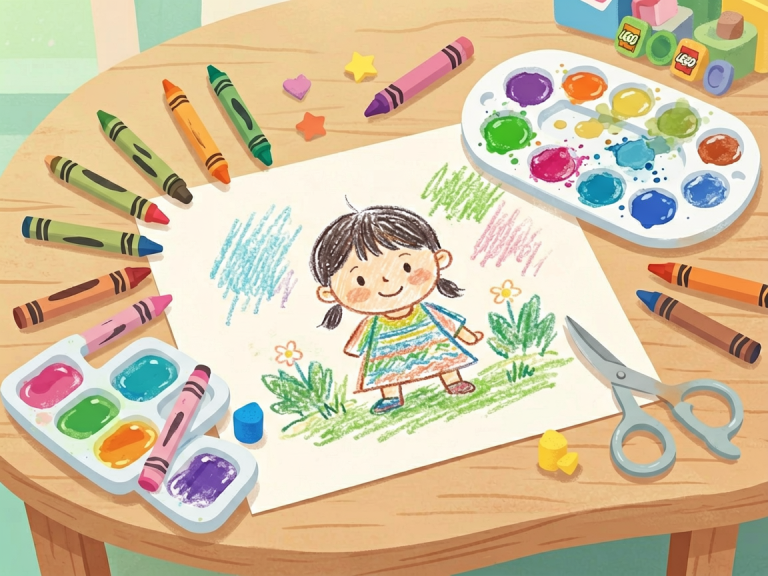
Crayons, washable markers, and finger paints should be labeled “non-toxic” (ASTM D4236 compliant). Avoid colored pencils that have removable eraser caps. Scissors should be blunt-tipped, and glue should be water-based and non-toxic. Supervise the use of any small items like pom-poms or googly eyes, as they often come loose.
Pretend Play and Dress-Up
Costumes should have short or detachable capes, no drawstrings, and fire-resistant labels (especially important for synthetic fabrics). Toy kitchen sets should not include plastic food pieces that are small enough to choke on. Avoid play tools that have sharp edges or realistic-looking blades.
Ride-On Toys and Tricycles
Choose models with a wide wheelbase to prevent tipping. The seat should be low (no more than 10 inches off the ground) for stable pushing and coasting. Always provide a properly fitted helmet even for riding toys that are propelled by feet. Check for exposed pinch points near the wheels.
Outdoor and Water Toys
Look for inflatable pools that are no deeper than 12 inches, and never leave a child unattended near water. Sand toys should have sturdy, rounded edges. Avoid any toys that are made from brittle plastic that can crack into sharp shards.
Electronic and Battery-Operated Toys
Battery compartments must be secured with screws. Check that the volume can be adjusted or muted. Remove any loose wires or cord tangles. Always use only the recommended type of batteries; rechargeable batteries may have different voltages and overheat.
Inspection and Maintenance Tips for Ongoing Safety
Safety does not end at the store checkout. Regular inspection is vital because toys can wear out, break, or become contaminated over time.
- Weekly Check-Ups: Examine toys for cracks, splinters, frayed edges, or loose parts. If a toy is broken, repair it immediately or discard it. Do not glue broken pieces back together if they could be chewed off again.
- Cleanliness: 3-year-olds drool, eat while playing, and put toys in their mouths. Wash plush toys (check labels) in hot water weekly. Wipe plastic toys with a mixture of warm water and mild soap or a diluted bleach spray (1 tablespoon bleach per quart of water) and rinse thoroughly. Avoid harsh chemical cleaners that leave residue.
- Storage: Teach toddlers to put toys away in open bins or low shelves. Avoid using toy chests with heavy lids that can slam shut on fingers or trap a child inside. If you have a chest, remove the lid or install a safety hinge that stays open.
- Rotate Toys: To maintain interest and reduce clutter, rotate toys every few weeks. This also allows you to inspect the entire set of toys and retire those that are no longer safe due to wear.
The Role of Parental Supervision
No matter how carefully a toy is selected, no toy can replace the watchful eye of an adult. The CPSC notes that most toy-related injuries in children aged 3–4 occur during unsupervised play. Active supervision means being close enough to intervene before a child puts a marble in his mouth, climbs dangerously on a toy, or tries to dismantle an electronic device.
Supervision also means setting clear rules: no running with toys that have sharp corners, no throwing hard objects, and no playing in areas where cords or small parts could be accessed (e.g., near older siblings’ toys). A 3-year-old’s impulse control is limited; they may not remember that a toy gun should not be aimed at a face. It is up to the adult to model safe behavior and redirect when necessary.
Furthermore, be mindful of second-hand toys. Thrift stores and hand-me-downs are wonderful resources, but they may not meet current safety standards. Before giving a used toy to a 3-year-old, check: does it have any recall history? Are there faded warning labels? Is the paint chipping? When in doubt, leave it out.
Conclusion
Age-appropriate toy safety for 3-year-olds is a multidimensional responsibility that combines knowledge of child development, awareness of potential hazards, familiarity with safety certifications, and committed adult supervision. While no toy can guarantee zero risk, informed choices can dramatically reduce the likelihood of injury and create a stimulating, joyful play environment. The best toys for a three-year-old are those that match their physical abilities, encourage imaginative exploration, and are built to withstand the rigors of active play—while being rigorously tested for safety. By staying vigilant, regularly inspecting toys, and remaining engaged during playtime, caregivers can ensure that the only surprises the child encounters are happy ones. Remember: safety is not a one-time checklist, but an ongoing practice woven into the fabric of daily play.