Safe Toys for 10-Year-Olds: A Comprehensive Guide to Fun and Risk-Free Play
Introduction: The Unique Needs of a 10-Year-Old
At age ten, children stand at a fascinating crossroads between childhood and early adolescence. Their cognitive abilities have sharpened significantly—they can follow complex instructions, solve multi-step problems, and engage in strategic thinking. Physically, they are more coordinated and stronger than younger kids, yet they still lack the judgment and impulse control of teenagers. This developmental sweet spot makes choosing safe toys both exciting and challenging. Safety for a 10-year-old goes far beyond simply avoiding small parts that could cause choking. It encompasses chemical safety, electrical hazards, durability under rough play, and the subtle dangers of toys that might encourage risky behavior or inappropriate content. This article dives deep into what makes a toy truly safe for this age group, offering practical guidance for parents, educators, and gift-givers.
Why Safety Still Matters at Age Ten
Many adults mistakenly believe that once a child reaches double digits, toy safety becomes a non-issue. The reality is quite different. While the choking hazard from small parts diminishes (though not entirely—10-year-olds still occasionally mouth objects), new risks emerge. Battery-operated toys can overheat or leak corrosive chemicals. Construction sets with small magnets, if swallowed, can cause life-threatening internal injuries. Craft kits may contain toxic solvents or sharp blades. Outdoor play equipment, from skateboards to climbing ropes, can lead to serious falls if not properly designed. Furthermore, 10-year-olds are more likely to experiment—they might take a toy apart, combine components from different sets, or use a product in ways its designers never intended. A safe toy for this age must withstand creativity and curiosity without exposing the child to hidden dangers.
Key Safety Standards and Certifications to Look For
When evaluating any toy for a 10-year-old, the first step is checking for recognized safety certifications. In the United States, the ASTM F963 standard is the benchmark for toy safety, covering mechanical, physical, and flammability hazards. The CPSC (Consumer Product Safety Commission) enforces regulations on lead content, phthalates, and other toxic substances. For electronic toys, look for UL (Underwriters Laboratories) or FCC compliance to ensure electrical safety and electromagnetic radiation limits. In Europe, the CE mark and EN71 standards serve similar purposes. However, no certification is foolproof. Parents should also be wary of counterfeit products that bear fake logos. Reputable brands such as LEGO, Melissa & Doug, Ravensburger, and Fisher-Price routinely adhere to these standards, but even well-known companies can have recalls. Checking the CPSC recall database before purchasing a second-hand toy is a wise habit.
Category 1: STEM and Educational Kits – Promote Learning Without Risk
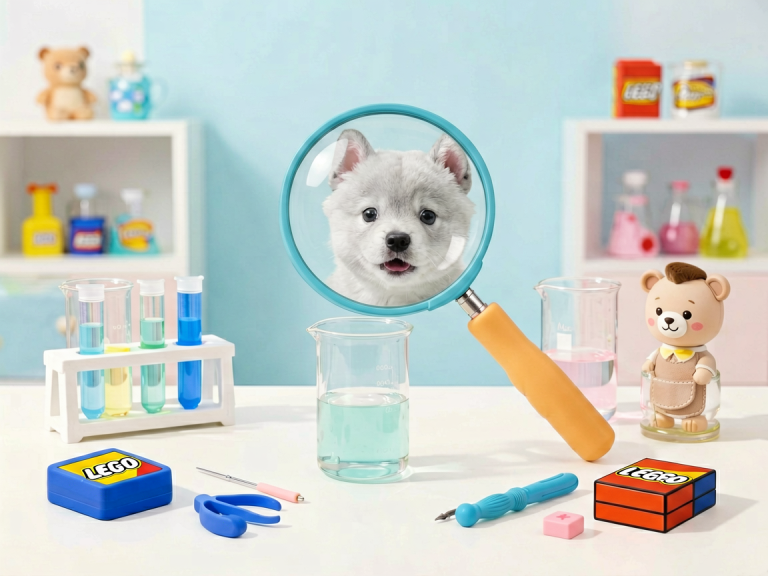
STEM kits are wildly popular among 10-year-olds, encouraging critical thinking and hands-on experimentation. However, they also pose unique safety challenges. A chemistry set with real chemicals, for instance, must include clear instructions and safety goggles. The best options for this age are those that use non-toxic, household-safe substances. For example, Science Buddies chemistry kits use baking soda, vinegar, and food coloring—no corrosive acids. Circuit-building kits like Snap Circuits eliminate soldering and exposed wires, using press-fit components that snap together. Robot kits from brands like Thames & Kosmos or Makeblock often come with modular parts that are large enough to handle and impossible to swallow. When choosing a STEM toy, examine the age recommendation carefully: some advanced kits are better suited for 12 or 13-year-olds. Also, ensure that any included batteries are securely enclosed and require a screwdriver to access, preventing accidental ingestion of coin cell batteries—a major hazard for children of all ages.
Category 2: Outdoor and Active Toys – Balancing Fun with Physical Safety
Ten-year-olds have abundant energy and a growing love for adventure. Bicycles, scooters, skateboards, rollerblades, and climbing gear top their wish lists. The single most important safety component for any wheeled toy is a well-fitting helmet. Look for helmets certified by CPSC or Snell; these are tested to absorb impact. Elbow and knee pads are also essential for beginners. However, the toy itself must be structurally sound. Cheap skateboards can snap under a child's weight, causing sudden falls. Avoid products with sharp edges or unstable wheels. For climbing toys like monkey bars or rope ladders, check that they are anchored securely and have a soft landing surface (grass, mulch, or rubber mats) beneath them. Trampolines deserve special caution: the American Academy of Pediatrics advises against recreational trampolines for children under six, but even at age ten, trampoline injuries are common. If you choose one, ensure it has a full enclosure net, padded springs, and is set on a level surface away from trees or fences. Always supervise active play, as 10-year-olds often overestimate their abilities.
Category 3: Arts, Crafts, and Creative Expression – Non-Toxic Materials Matter
Art supplies are a wonderful outlet for a 10-year-old's imagination, but the safety concerns here are chemical rather than mechanical. Paints, markers, glues, and modeling clays should be labeled “non-toxic” and conform to ASTM D4236 (the standard for art material labeling). Water-based paints are safer than oil-based or aerosol options. Avoid kits that include xylene-based permanent markers or solvent-based adhesives. Scissors and craft knives—even those labeled “safety”—can still cause cuts. For 10-year-olds, blunt-tipped scissors are adequate for most projects, but if a kit includes a precision knife, it should be used only under direct adult supervision. A safer alternative is a paper trimmer with a guarded blade or a rotary cutter designed for kids. Also, be cautious with glue guns: low-temperature glue guns (around 130°F) are safer than high-temperature ones, but they can still cause mild burns. Teach children to use a glue gun on a heat-resistant mat and never leave it plugged in unattended.
Category 4: Electronic and Digital Toys – Managing Screen Time and Battery Risks
Electronic toys—tablets, handheld gaming consoles, coding robots, and interactive learning devices—are ubiquitous among 10-year-olds. The primary safety concerns here are battery hazards, overheating, and digital content. For devices that require lithium-ion batteries (like many tablets), ensure they are from reputable manufacturers and have built-in overcharge protection. Never leave a charging device on a soft surface like a bed or sofa, which can trap heat. Coin cell batteries (CR2032, etc.) found in small electronic toys are particularly dangerous if swallowed; they can cause severe internal burns within two hours. Toys that require these batteries should have a screw-secured compartment. On the digital safety front, most 10-year-olds are already online. Parental controls on apps and devices can filter inappropriate content, limit screen time, and prevent in-app purchases. Educational coding toys like the Osmo system or Sphero robots are designed with safety in mind—they use closed ecosystems with no internet browsing. Always review the app permissions and privacy policy before letting your child use a connected toy.
Category 5: Building Sets and Construction Toys – Avoiding Tiny Parts and Magnets
Classic building sets like LEGO, K'NEX, and magnetic tiles remain perennially popular. For 10-year-olds, the sets are often more complex with hundreds of small pieces. While the choking risk is lower than for toddlers, it's not zero—especially if younger siblings are present. High-powered magnets (neodymium) are a major concern: if two or more are swallowed, they can pinch together through intestinal walls, causing perforations, infections, or death. Always avoid loose magnetic balls or cubes marketed as “desktop toys”; these are not intended for children at all. Stick with building sets where magnets are embedded securely in plastic housings, such as Magna-Tiles or Playmags. Also, check for sharp edges or points on plastic pieces; some cheaper brands have flashing that can cut fingers. LEGO, in particular, has an excellent safety record because all pieces are tested for sharpness and toxicity.
Category 6: Board Games and Social Play – Choosing Age-Appropriate Complexity
Board games encourage social interaction, strategy, and patience—all excellent for development. Safety issues here are minimal but worth noting. Game pieces should be large enough not to pose a choking hazard (most games for ages 8+ are fine). Watch out for games that include small metal tokens with sharp edges, or those with tiny dice that could be swallowed. Card games are generally safe. The bigger risk is frustration: if a game is too complex or too competitive, it can lead to emotional meltdowns. For 10-year-olds, games like “Catan Junior,” “Ticket to Ride,” “Dixit,” or “Settlers of Catan” (standard) are excellent. Avoid games with themes that are too mature for a 10-year-old (e.g., horror or violent themes). Also, ensure that any electronic components (buzzers, timers) use standard batteries and are securely assembled.
Conclusion: Empowering Parents and Children to Make Informed Choices
Choosing safe toys for a 10-year-old requires a balanced approach: understanding the child's abilities, recognizing potential hazards, and prioritizing reputable brands with rigorous testing. It's not about eliminating all risk—some risk is essential for growth—but about minimizing preventable dangers. Talk to your child about proper usage, storage, and the importance of following instructions. Involve them in the selection process by discussing why a particular toy is safe. By doing so, you not only protect them physically but also teach lifelong skills in critical thinking and risk assessment. With the right choices, a 10-year-old can enjoy countless hours of safe, stimulating, and joyful play.