The Ultimate Guide to Safe Independent Play Toys for Kids: Fostering Creativity and Safety
Introduction
In today’s fast-paced world, where screens often dominate children’s attention, the value of independent play has never been more critical. Independent play—when a child engages in an activity alone, without direct adult involvement—is a cornerstone of healthy development. It nurtures creativity, problem-solving skills, emotional regulation, and self-confidence. Yet many parents struggle to find toys that not only encourage solo exploration but also meet the highest safety standards. The key lies in selecting toys that are specifically designed for safe, independent use, free from hazards like choking risks, toxic materials, or sharp edges. This article explores the essential principles of safe independent play toys, categorizes top choices for different ages, and provides practical guidance for creating a secure environment where children can thrive on their own.
Why Independent Play Matters for Child Development
Before diving into specific toy recommendations, it is important to understand why independent play is so beneficial. When children play alone, they are forced to rely on their own imagination and decision-making. A child building a tower with blocks, for instance, must figure out how to balance pieces, how to recover from a collapse, and how to persist without immediate help. These experiences build resilience and executive function. Research in developmental psychology shows that unstructured, self-directed play enhances attention span and reduces anxiety, as children learn to entertain themselves rather than depend on external stimulation. Moreover, independent play provides a crucial opportunity for children to process emotions and experiences at their own pace. By offering toys that are safe and engaging, parents can create a “yes space” where children feel empowered to explore freely.
Key Safety Considerations for Independent Play Toys
Safety is the non-negotiable foundation of any independent play toy. When children play alone, there is no caregiver to instantly intervene if something goes wrong. Therefore, the toy must be designed to prevent accidents from the start. The following criteria are essential:
- Non-toxic materials: All toys should be made from materials free from BPA, phthalates, lead, and other harmful chemicals. Look for certifications like ASTM (American Society for Testing and Materials) or EN71 (European safety standard). Natural wood with non-toxic paints, food-grade silicone, and organic cotton are excellent choices.
- No small parts for children under 3: Choking is the leading cause of toy-related injury. For toddlers and preschoolers, avoid toys with detachable pieces small enough to fit inside a toilet paper roll (roughly 1¾ inches in diameter). Always check age labels carefully.
- No sharp edges or points: Whether plastic or wood, all edges should be rounded and smooth. Magnets should be securely embedded, and batteries should be in a screw-secured compartment to prevent ingestion.
- Durability and stability: A toy that breaks easily can create sharp shards or loose parts. For active play, ensure that ride-on toys or push toys have a wide base to prevent tipping. Weight limits should be clearly stated.
- Proper cord length: Any cords or strings on toys should be less than 12 inches to avoid strangulation hazards. This is especially important for pull toys or hanging items.
By prioritizing these safety features, parents can select toys that allow children to play alone with confidence.
Top Categories of Safe Independent Play Toys
Building and Construction Toys
Building toys are the gold standard for independent play because they offer endless possibilities within a simple, safe framework. Classic wooden blocks, magnetic tiles, and large interlocking bricks (like Duplo for younger children) encourage spatial reasoning and creativity without requiring adult guidance. When choosing building sets, look for those made from sustainably sourced wood with water-based finishes, or magnetic tiles that are sealed to prevent magnet leakage. Avoid sets with tiny specialty pieces that could become choking hazards. For children aged 2–5, oversized foam blocks are another excellent option—they are lightweight, soft, and quiet, making them safe for both play and inevitable falls.
Art and Craft Supplies
Art is a deeply personal and introspective activity, perfect for independent play. However, art supplies must be chosen with extreme care. For toddlers, choose non-toxic, washable crayons (shaped like eggs or triangular to prevent rolling), chunky markers, and large sheets of paper. Finger paints should be labeled as edible if the child still mouths objects. For older children (ages 4+), consider open-ended materials like play dough (homemade or from reputable brands using natural ingredients), watercolor sets with large brushes, and sticker books. Avoid glue guns or scissors that require adult supervision. Instead, provide safety scissors that cut only paper, and glue sticks that are non-toxic. A dedicated art corner with a washable mat can give children the freedom to create without worry.
Pretend Play and Role-Playing Sets
Imaginative play is one of the most powerful forms of independent activity. Dress-up clothes, play kitchens, tool benches, and doctor kits allow children to act out scenarios and develop social understanding on their own terms. For safety, choose costumes made from flame-retardant fabric and avoid long flowing capes or scarves that could catch on furniture. Play food should be one-piece (no small plastic fruits that can break apart) and made from soft fabric or solid wood. Tool benches should have plastic hammers and screwdrivers with rounded tips. A play kitchen with a fabric stove top (rather than metal) prevents burns from imagined cooking. Also, ensure that any pretend-play set with small accessories—like coins for a cash register—is reserved for children over three.
Puzzles and Brain Games
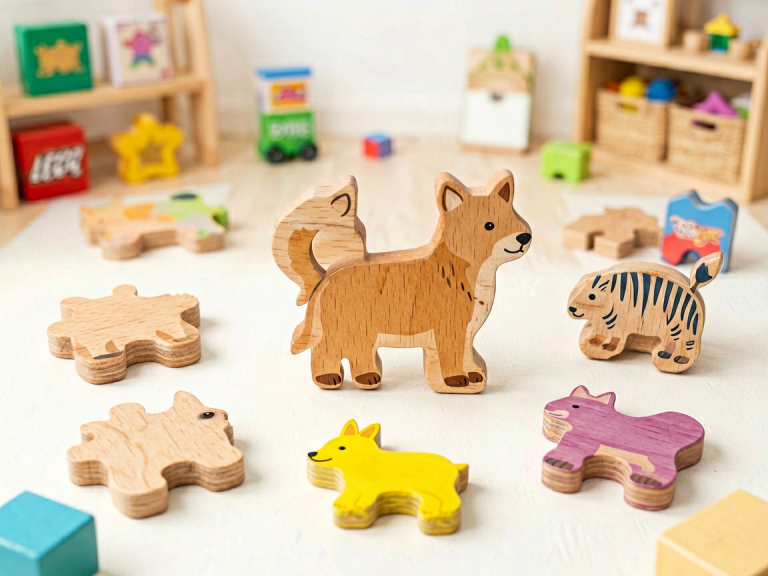
Puzzles teach patience, pattern recognition, and fine motor skills while being inherently solitary. For independent play, choose puzzles with large, easy-to-grasp knobs for toddlers, and gradually move to jigsaw puzzles with increasing pieces as the child grows. Safety considerations include avoiding puzzles with paper-thin pieces that could splinter or tear into choking hazards. Wooden puzzles with pegs are excellent for small hands. Brain games like simple memory card sets (with durable coated cards) or sorting games (shape sorters, color wheels) are also great. Ensure that all pieces are larger than the choking hazard threshold. For children aged 4–7, seek out magnetic puzzles or felt boards that have no loose parts.
Outdoor and Active Play Toys
Independent play is not limited to indoors. Outdoor toys that encourage active solo play—like tricycles, balance bikes, swing sets, and sandboxes—promote physical health and coordination. Safety for outdoor toys is paramount: bikes should have training wheels and a low center of gravity, helmets must be worn even for short rides, and swing sets should be anchored securely with soft landing surfaces (rubber mulch or sand) underneath. Sandboxes should be covered when not in use to keep out animals and debris, and the sand should be clean, fine-grained play sand (not construction sand). Water tables are wonderful for sensory play, but always supervise water play, even if the toy is considered “independent”—young children can drown in just inches of water. A safer alternative is a sensory table with dry materials like rice, beans, or kinetic sand.
How to Choose the Right Toys for Your Child’s Age and Interests
Selecting toys that match a child’s developmental stage is crucial for both safety and engagement. A toy that is too simple will bore the child, potentially leading to unsafe uses (like throwing or dismantling). A toy that is too advanced will frustrate them and may require constant adult help, negating the independence goal. Consider these age-based guidelines:
- Ages 1–2: Focus on sensory exploration and cause-and-effect. Safe choices include stacking rings, soft blocks, textured balls, and simple push/pull toys. Avoid anything with batteries or small pieces. At this age, independent play is brief (5–15 minutes), so rotate toys to maintain interest.
- Ages 3–4: Children begin pretend play and more complex building. Offer large wooden train sets, magnetic tiles, dress-up costumes (with velcro closures instead of ties), and simple puzzles (up to 12 pieces). Ensure all toys are still free of small parts—the rule “no smaller than a fist” is a good guide.
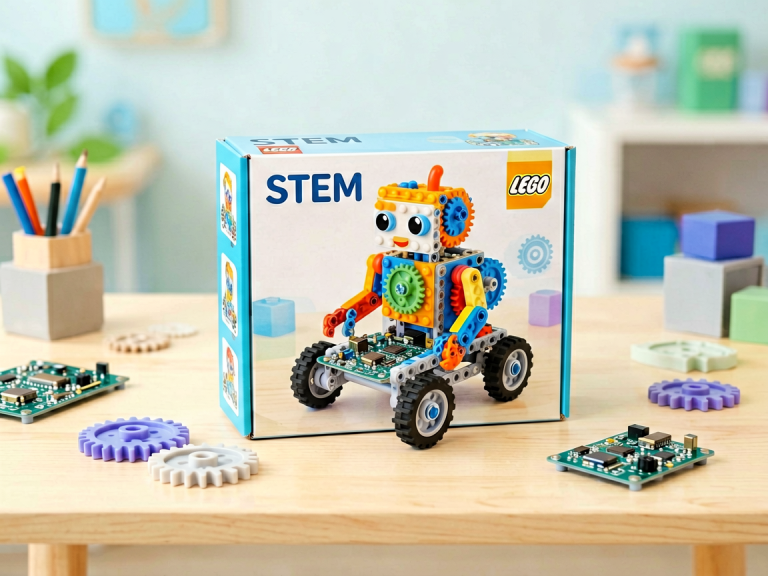
- Ages 5–7: Fine motor skills have improved. Introduce smaller building bricks (like standard LEGO, with caution for choking—supervise if the child still mouths objects), art sets with scissors (safety scissors only), more intricate puzzles (up to 100 pieces), and outdoor equipment like scooters with proper protective gear. Children at this age can play independently for 30 minutes or longer.
- Ages 8+: Independence expands to more complex games, craft kits (sewing, beadwork), science experiments (with non-toxic chemicals), and building sets with hundreds of pieces. Safety concerns shift to proper use of tools and chemicals—ensure any kit is labeled for the child’s age range and that instructions are clear.
Beyond age, observe your child’s natural interests. A child who loves mechanics may thrive with a gear-building set, while an artistic child may prefer a high-quality modeling clay. Paying attention to these preferences increases the likelihood that the toy will be used independently and safely.
Tips for Creating a Safe Independent Play Environment
Even the safest toys can become dangerous in an unsafe environment. To maximize the benefits of independent play, set up a dedicated play area that minimizes risks:
- Define the space: Use a playpen, a gated section of a room, or a childproofed room with locked cabinets and covered outlets. A clear boundary helps children feel secure and reduces the chance they’ll wander into hazardous areas like the kitchen or stairs.
- Remove clutter: Keep the play area simple. Too many toys can overwhelm a child and lead to tripping or misplacing small pieces. Rotate toys weekly to keep the space fresh and tidy.
- Check for hazards at child’s eye level: Crouch down to see what your child sees—are there sharp furniture edges, dangling cords from blinds, or unstable shelves? Anchor heavy furniture to the wall.
- Use soft flooring: Carpet, foam mats, or rubber puzzle tiles cushion falls, which are inevitable during active play.
- Supervise from a distance: Independent play does not mean ignoring the child. Stay nearby (in the same room ideally) and check in periodically, but resist the urge to interrupt or “help” unless a genuine safety issue arises. This balance builds trust and autonomy.
Conclusion
Safe independent play toys are more than just products—they are tools that empower children to discover their own abilities, cultivate patience, and develop a lifelong love for learning. By choosing toys that meet rigorous safety standards, align with a child’s age and interests, and are used within a well-prepared environment, parents can confidently step back and watch their children grow. The best toys are those that fade into the background, allowing the child’s imagination to take center stage. Whether it’s a set of simple wooden blocks or an elaborate magnetic tile castle, the gift of safe independent play is one of the most valuable investments we can make in our children’s future.