Best Toys for 11-Year-Olds: Balancing Fun, Learning, and Growth
The age of eleven is a fascinating developmental crossroads. Children at this stage are no longer little kids, yet they are not quite teenagers. They possess a growing appetite for complex challenges, a budding sense of independence, and a keen interest in social interactions, technology, and personal expression. Finding the best toys for an 11-year-old means selecting items that respect their intellectual maturity while still providing genuine joy and engagement. The right toy can spark a lifelong passion, teach valuable skills, or simply provide a much-needed escape from the pressures of school and growing up. This article explores a curated selection of toys that hit that sweet spot—offering depth, creativity, and excitement for this unique age group.
STEM and Engineering Kits: Building Future Innovators
At eleven, children have developed the fine motor skills and patience required for more sophisticated building projects. STEM (Science, Technology, Engineering, and Mathematics) toys are particularly valuable because they transform abstract concepts into tangible, hands-on experiences.
Advanced Robotics and Coding Sets
Robotics kits like the LEGO Mindstorms Robot Inventor or Makeblock mBot Ultimate are ideal for this age. These kits go beyond simple assembly; they require kids to program sensors, motors, and responses using block-based coding or even Python. An 11-year-old can build a robot that follows lines, avoids obstacles, or picks up objects. The process teaches logical thinking, problem decomposition, and resilience when debugging code. What makes these sets especially appealing is the open-ended nature—once a child masters the basic builds, they can design their own robots from scratch, turning the toy into a platform for endless creativity.
Chemistry and Physics Experiment Kits
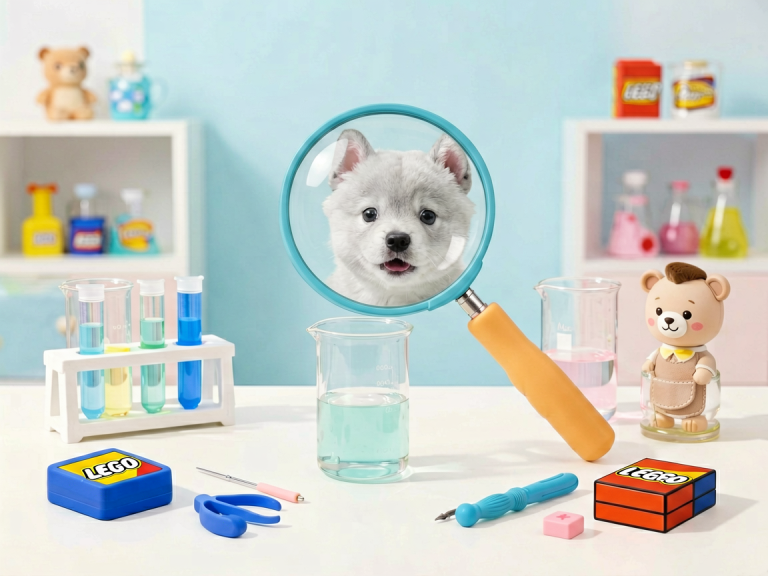
While younger children enjoy simple volcano eruptions, an 11-year-old is ready for genuine scientific inquiry. Kits like Thames & Kosmos Chemistry C500 or Snap Circuits Extreme allow kids to perform real experiments that explain pH levels, chemical reactions, or electrical circuits. The key is that these kits include clear instructions and safety equipment, giving children a sense of conducting authentic lab work. Many 11-year-olds develop a deep fascination with how things work, and a well-designed experiment kit can nurture that curiosity into a lasting interest.
3D Printing Pens and Kits
A 3D printing pen, such as the 3Doodler Start+, offers a bridge between digital design and physical creation. Kids can draw three-dimensional objects in the air, creating toys, jewelry, or models. For a slightly higher investment, a beginner-friendly 3D printer like the Toybox 3D Printer lets children design objects on a tablet and print them. This technology teaches spatial reasoning, design thinking, and the iterative process of prototyping. It is also immensely satisfying for an 11-year-old to hold a product they imagined and built themselves.
Creative and Artistic Outlets: Expressing Identity
At eleven, self-expression becomes paramount. Children are forming their unique tastes and want to create things that reflect who they are. Artistic toys that offer complexity and room for personal style are winners.
Advanced Art Supplies and Kits
Rather than basic markers and crayons, consider professional-grade art supplies that challenge an 11-year-old’s skill. Posca paint pens allow for detailed work on various surfaces, while watercolor brush pens offer fluidity and control. A complete charcoal and pastel drawing set or a sketchbook with guided lessons can help a child develop real technique. Many 11-year-olds are drawn to anime, fantasy art, or comic book illustration. Specialized how-to-draw manga kits or calligraphy sets tap into these interests while building discipline and fine motor coordination.
Polymer Clay and Modeling Kits
Sculpting with polymer clay—like Sculpey—is a hit with this age group. Children can make miniature food, figurines, jewelry, or decorative items. The process is forgiving (clay can be reshaped), and the results are permanent after baking. Kits that include tools for texturing, cutting, and shaping, along with tutorials for specific projects, are excellent. The social aspect is also strong: many 11-year-olds enjoy watching YouTube tutorials and then sharing their creations with friends.
Jewelry Making and Friendship Bracelet Kits
Kits for making kumihimo braided bracelets, beaded jewelry, or chainmail bracelets are perennially popular. They combine precision, pattern recognition, and the joy of wearable art. Children can make gifts for friends or family, which boosts their sense of competence and generosity. The repetitive nature of knotting or threading can be meditative and calming—a valuable counterbalance to screen time.
Board Games and Puzzles: Social and Strategic Thinking
Eleven-year-olds love games that involve strategy, teamwork, and a bit of friendly competition. Board games and puzzles are excellent for developing patience, critical thinking, and social skills.
Complex Strategy Games
Games like Catan, Ticket to Ride, or Azul are accessible enough for an 11-year-old to grasp yet deep enough to engage adults. They teach resource management, planning, and adaptation to changing circumstances. Cooperative games such as Pandemic or Forbidden Island require players to work together against the game, fostering communication and shared problem-solving. These games are perfect for family game nights or playdates, and they help children learn to win gracefully and lose with dignity.
Logic Puzzles and Escape Rooms
Escape room games in a box, like Exit: The Game or Unlock!, challenge kids to solve a series of interconnected puzzles to “escape” a scenario. They promote lateral thinking, pattern recognition, and collaboration. For individual play, 3D mechanical puzzles or logic puzzle books (like the Puzzle Baron’s logic puzzles) are excellent. Completing a 500- or 1000-piece jigsaw puzzle—especially one with an image that appeals to the child, such as a map of the world, a fantasy landscape, or a favorite movie—provides a satisfying sense of accomplishment.
Role-Playing and Storytelling Games
Dungeons & Dragons starter sets or simpler role-playing game kits (like No Thank You, Evil!) invite children to create characters, solve quests, and engage in cooperative storytelling. This is hugely beneficial for language development, empathy, and creative thinking. Many 11-year-olds are natural storytellers, and role-playing games give them a structured yet flexible framework to explore narratives with friends.
Outdoor and Active Toys: Energy and Exploration
Despite the allure of screens, 11-year-olds still need physical activity. The best outdoor toys for this age are those that combine adventure, skill development, and independence.
Electric Scooters, Hoverboards, and Skateboards
As children gain coordination, electric scooters (like the Razor E100) or hoverboards offer a thrilling way to get around. Safety gear (helmet, knee and elbow pads) is non-negotiable, but these toys encourage outdoor play and improve balance. Traditional skateboards or longboards also appeal, especially with instructional resources available online. Learning a new trick builds perseverance and confidence.
Nerf Blasters and Foam Dart Games
Nerf wars remain a beloved activity. Advanced blasters with higher dart capacity, tactical rails, and even motorized options provide strategic depth. Setting up obstacle courses or playing capture-the-flag variations in the backyard encourages running, planning, and teamwork. Safety is built into the foam darts, and the excitement is genuine.
Sports Equipment with a Twist
Instead of basic basketballs or soccer balls, consider items that introduce a new challenge: a balance board for surf-style training, a slackline kit for walking between trees, or a disc golf set for a cross between frisbee and golf. These toys test coordination and balance in novel ways. Also, a high-quality bicycle (perhaps a mountain bike) opens up exploration of trails and neighborhoods, giving a child a sense of freedom and adventure.
Tech and Gadgets: Digital Play with Purpose
Technology is a huge part of an 11-year-old’s world. The key is to choose gadgets that promote creativity, learning, or physical activity rather than passive consumption.
Kid-Safe Smartwatches and Fitness Trackers
Smartwatches designed for kids, like the Garmin Bounce or Fitbit Ace 3, encourage movement through step challenges and activity badges. They also allow limited communication with parents via pre-approved contacts. These devices teach responsibility (charging, not losing) and help children understand simple health metrics.
Instant Cameras and Photo Kits
A Fujifilm Instax Mini camera is a huge hit. It produces physical prints instantly, which children can collect in albums, decorate with stickers, or give as gifts. The tactile nature of instant photos is a refreshing counterpoint to digital images. For a more advanced option, a kid-friendly digital camera (like the VTech Kidizoom Duo) allows for video recording and photo editing, sparking an interest in photography and storytelling.
Tablets for Creative Use
If an 11-year-old has access to a tablet, it can be a powerful creative tool when loaded with the right apps. Drawing apps like Procreate on iPad or digital animation apps like FlipaClip turn the device into an art studio. Music production apps like GarageBand let kids compose their own songs. If the tablet is primarily for entertainment, consider setting up parental controls and curating educational content, such as Khan Academy Kids or Scratch programming tutorials.
Conclusion: Choosing Toys That Grow with the Child
The best toys for 11-year-olds are those that respect their emerging maturity without sacrificing the joy of play. Whether it is a complex robotics kit that teaches coding, a strategy board game that hones social skills, or an electric scooter that grants independence, the right toy can be a catalyst for growth. When selecting a gift, consider the child’s specific interests—some thrive on building, others on creating art, and still others on physical challenge. The most successful toys are not passive but interactive; they ask the child to think, create, move, or collaborate. By choosing thoughtfully, you can give an 11-year-old a gift that entertains today and builds skills for tomorrow. In a world of rapidly changing interests, a great toy is one that the child returns to again and again, discovering new depths each time. That is the true measure of a toy’s worth at this pivotal age.