




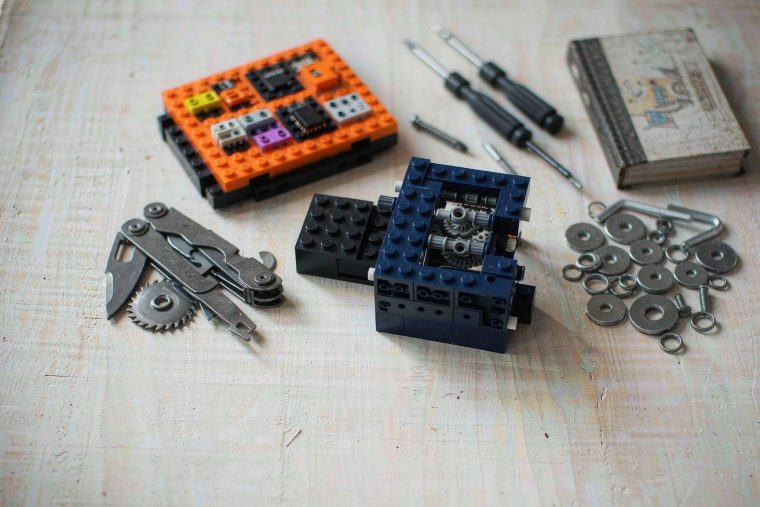

Smart Toy Choice reviews the toys that need charging, pairing, and a parent who reads the manual. Coding robots, STEM kits, kids’ cameras and headphones, AI companions — the category where a $150 purchase can either open a door or sit in a drawer by week two.
We are not a general toy site. We do not cover plush, puzzles, board games, or anything that runs on imagination alone. There are good sites for that. We cover the narrow, expensive, confusing slice where technology meets childhood — and where most buying advice online is written by people who never took the thing out of the box.
What we cover
- Coding robots — screen-free programmable toys, app-driven robots, and the age at which each one stops being fun.
- STEM kits — circuits, mechanics, science sets, and subscription boxes that survive past the first weekend.
- Kids’ tech — cameras, headphones, smartwatches, tablets, drones, and microscopes built for small hands.
- AI toys — companion robots and talking plush. The newest, least documented, and most over-marketed category we cover.
- Safety and privacy — what connected toys actually collect, and the questions to ask before you buy one.
How we decide
Every article answers three questions a product page never will: at what age a child can use this without an adult sitting beside them, how much of the work falls on the parent, and whether the thing still works as a service six months after you buy it.
We do not publish star ratings, because a number implies we measured something. Instead we research each product against public records — manuals, certification filings, recall notices, app update histories, dated prices and owner reports — and end with one of four labels: Recommended, Recommended with conditions, Not recommended, or Insufficient evidence. Where a product is genuinely in our hands, the article says so at the top.
Read the full methodology — the six checks every article passes, and what each label means.
Where to start
If you are buying your first coding toy, start with age fit rather than features: the most capable robot on the market is a bad purchase for a five-year-old. If you are choosing between two specific models, our comparison pieces exist for exactly that decision. And if the purchase is for someone else’s child, our gift guides filter by age and interest instead of price.
We publish as research finishes, not on a promotional calendar. Tell us what you are trying to decide — reader requests decide a real share of what we cover next.